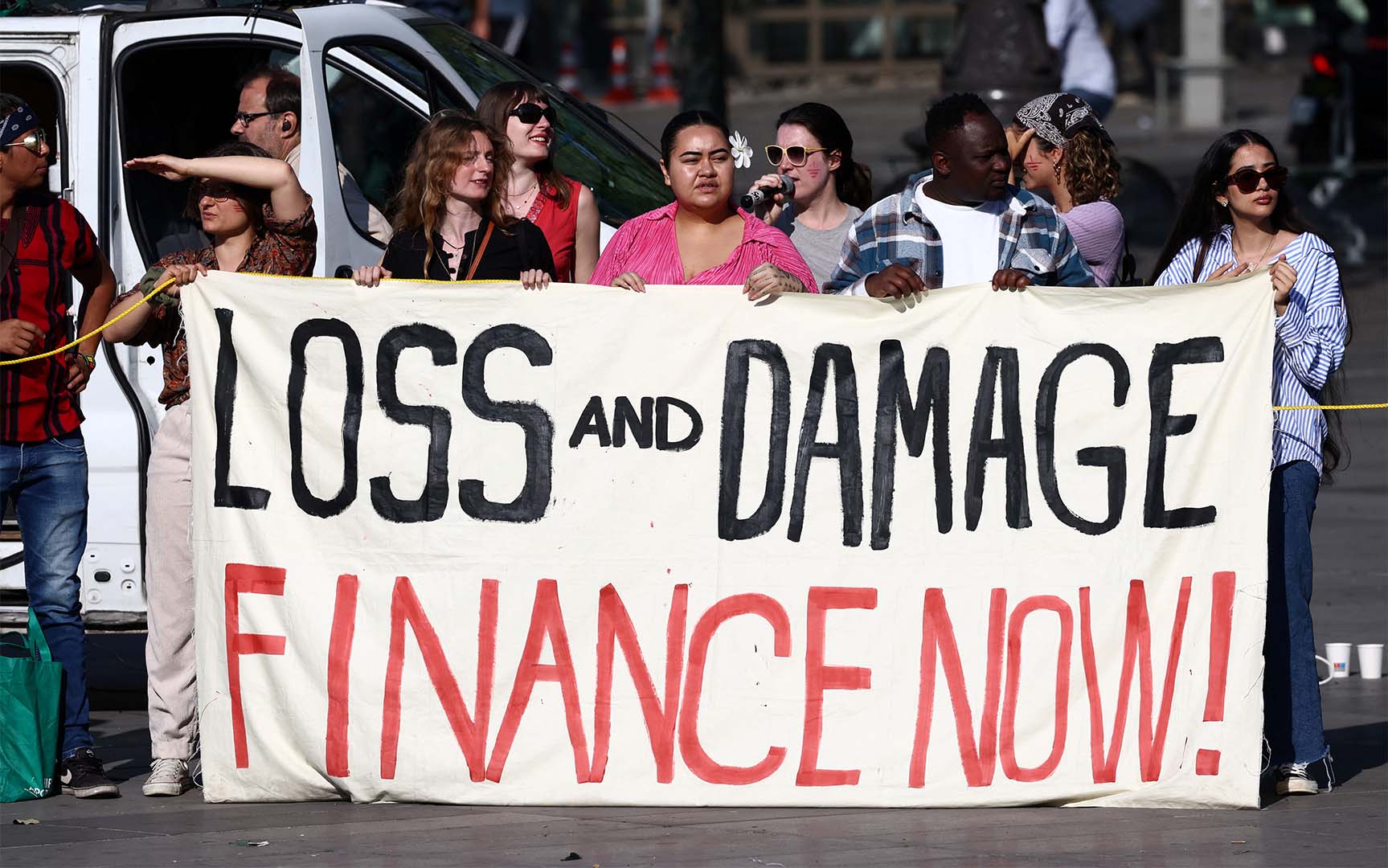
In the labyrinthine battlefields of climate justice, the Loss and Damage Fund emerges not merely as a financial mechanism, but as a crucible where feminism and environmental accountability converge with incendiary urgency. To frame loss and damage as a cold ledger of economic recompense is to overlook the visceral reality that this fund is a clarion call to acknowledge the gendered fissures cleaving through our ecological crises. Feminism breathes a radical pulse into climate accountability, converting abstract policy into the intimate narrative of survival, dignity, and reparative justice.
The Loss and Damage Fund: A Beacon of Unequal Burden
The Loss and Damage Fund is often portrayed as a bureaucratic instrument, an economic balm designed to soothe the wounds inflicted by climate catastrophes. Yet, beneath this façade lies a sinister disparity: climate disruption does not assault equally. Women, especially in Global South contexts, occupy the eye of this environmental storm with disproportionate vulnerability. They are, metaphorically speaking, the fragile glass in a tempest, absorbing shrapnel of devastation without the armor of systemic support.
When hurricanes sweep away homes, or droughts parch the land, it is overwhelmingly women who bear the burden—fetching scarce water, nurturing endangered livelihoods, and shouldering the unheralded labor of resilience. This is not collateral damage; it is structural violence. The Loss and Damage fund must therefore be understood as a feminist instrument against this violence, designed to repair not only material loss but disrupted ecosystems of care and social reproduction.
Climate Accountability Through the Feminist Lens: Beyond Transactional Reparations
To speak of climate accountability devoid of gender consciousness is to navigate this terrain blindfolded. The feminist perspective demands that the Loss and Damage Fund transcend transactional reparations to become a fulcrum of systemic transformation. This requires acknowledging how patriarchal modes of governance and exploitative economic models have precipitated environmental degradation in tandem with entrenched gender inequality.
Accountability, from this vantage, is not merely about monetary compensation but transforming the architectures of extraction and disenfranchisement. Feminism destabilizes standard narratives by insisting on an intersectional approach that recognizes race, class, and colonial histories as co-conspirators in climate injustice. The Loss and Damage Fund hence becomes symbolic of a larger ethical reckoning—a dismantling of the fossil fuel patriarchy that has siphoned the earth’s vitality while silencing marginalized voices.
Intersectionality: The Keystone of Feminist Climate Responsibility
Climate change is a crucible of intersectional injustice. Women at the confluence of race, indigeneity, and socioeconomic marginalization experience the damage inflicted by ecological crises with brutal specificity. The Loss and Damage Fund, if infused with feminist intentionality, offers more than fiscal restitution; it provides a platform to amplify these intersecting narratives.
It is the indigenous matriarch protecting sacred lands, the refugee mother navigating inundated urban slums, the agrarian woman whose seeds wither under relentless drought—each embodying the multifaceted victims that feminist climate policies must prioritize. Funding models must be reconfigured to reflect nuanced realities, favoring locally-led initiatives that empower marginalized women not only as beneficiaries but as architects of climate resilience.
The Metaphor of Repair: Feminism as a Climate Suturer
Imagine the planet as a vast mosaic, fractured by the jagged shards of environmental collapse—each break a story of suffering and lost equilibrium. Feminism, in this vision, is the meticulous suturer, threading resilience through these fissures with threads of justice, care, and equity. The Loss and Damage Fund is the needle, stitching monetary and moral accountability into the ragged fabric of a wounded world.
This metaphor elevates the fund beyond numbers and policy, imbuing it with a holistic purpose that repairs societal ruptures as fervently as ecological ones. Feminism insists on healing as a communal act—that the fabric of society, like the earth itself, cannot be mended unless the delicate threads of womanhood, motherhood, and caregiving are honored and strengthened.
The Political Battlefield: Feminist Advocacy and Climate Diplomacy
Struggles for the Loss and Damage Fund have unfolded on a politicized stage rife with power plays—those who refuse to accept culpability for emissions versus those demanding justice for devastation. Feminist advocacy within this arena wields a disruptive power, challenging both the language and loci of diplomacy.
Women’s movements have been instrumental in expanding the conversation from narrow economic terms to broader discourses on accountability, reparations, and structural change. Their voices call out the inherent misogyny within traditional climate negotiations that marginalize care work and gendered labor. Feminist diplomacy insists that climate reparations are not a charitable afterthought but a fundamental right entwined with the liberation of all oppressed groups.
Transformative Justice: Reimagining Climate Accountability Through Feminism
The final frontier of this discourse lies in envisioning transformative justice — not simply rectifying harm but abolishing the systems that perpetuate it. Feminism confronts the Loss and Damage Fund as a portal to radical reimagination: what if funding for loss and damage also mandated dismantling patriarchal extractivism? What if repairing ecosystems included restoring women’s power in decision-making spheres traditionally closed off to them?
Such reimagination demands courage and imagination. It asks funders and leaders to move beyond reactive compensation and toward proactive empowerment, embedding feminist principles at every level of climate governance. Through this lens, the Loss and Damage Fund becomes a revolutionary site, rewriting the script so that environmental destruction and gender oppression are no longer co-conspirators but are confronted head-on with transformative solutions.
Conclusion: Feminism at the Heart of Climate Accountability
The Loss and Damage Fund is more than a fiscal repository; it is a battleground and a beacon for feminist climate accountability. Its potential lies in transcending traditional reparative models to invoke a fierce, unyielding feminist ethic of care and justice. The fund, at its most potent, is a repudiation of patriarchal indifference—a declaration that the wounds of climate change are gendered, intersectional, and demand redress infused with radical equity.
In embracing feminism, the fight for loss and damage funding becomes a movement to restore fractured geographies, shattered communities, and whispered narratives long silenced. It is the urgent suturing of a planet and its people, an excruciating yet necessary convergence of feminist resolve and climate responsibility, threading us toward a future where survival is not a gamble but a promise upheld with relentless conviction.