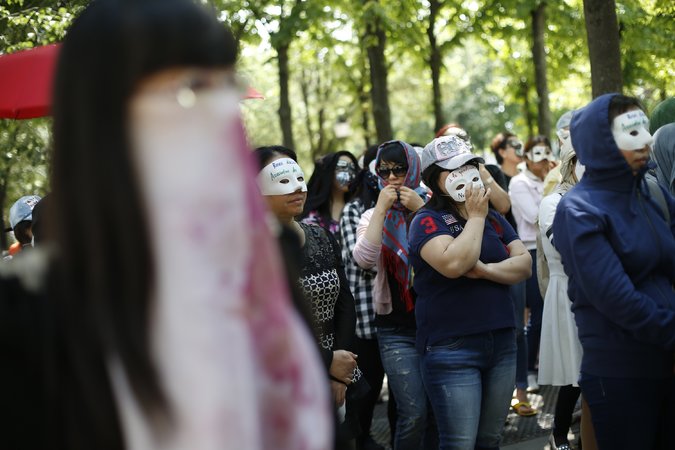
The debate surrounding prostitution frequently polarizes opinions, especially within feminist circles. It is often framed as a choice between empowerment and victimization, with many advocating either for decriminalization or for stringent legal penalties. But the dichotomy—prostitution as empowerment versus incarceration as liberation—is overly simplistic and dangerously reductive. Neither side seamlessly delivers the dignity, agency, or justice that feminists strive to uphold. Instead, both stand on shaky moral and practical grounds. To truly reimagine our approach, a radical shift in perspective is imperative: peeling back the layers of ideology to confront the complex realities of survival, autonomy, and systemic constraint.
Decriminalization: The Promised Panacea or a Pyrrhic Victory?
On the surface, decriminalization of prostitution sounds like a beacon of hope, an unequivocal empowerment narrative that champions autonomy and bodily sovereignty. The rhetoric is alluring—strip away legal penalties, remove stigma, and give sex workers control over their labor. Yet, beneath this glossy veneer lies a labyrinth of challenges that unsettle the neat promises.
Decriminalization assumes that sex work is merely a form of labor, interchangeable with any other job in the marketplace. It presupposes an environment where workers can operate free from coercion, violence, and exploitation. But the realities reveal stark contradictions. Many individuals enter sex work not because of unbridled choice but due to structural inequities—poverty, homelessness, gender-based violence, addiction, and limited economic options. The cloak of empowerment can easily slip into a shroud that masks coercion.
Moreover, decriminalization often fails to dismantle the patriarchal and capitalist frameworks that commodify bodies. It might reduce police harassment and penal sanctions, but it does not inherently rebuke the social attitudes that stigmatize, nor does it safeguard against pimping, trafficking, or workplace abuses. In some cases, it risks normalizing precarious labor under unregulated conditions, exposing sex workers to harm without sufficiently robust protections.
Jail: The Illusion of Rescue and the Reality of Erasure
On the opposing side, incarceration remains a favored mechanism for “rescuing” those in prostitution. The criminal justice system frames itself as a vehicle of salvation, promising rehabilitation and exit from the allegedly deviant lifestyle. However, jail is seldom a site of empowerment; instead, it often compounds trauma, diminishes agency, and perpetuates cycles of marginalization.
A woman or person involved in sex work who lands behind bars faces institutionalized violence, loss of autonomy, and lasting stigmatization. The penal system criminalizes survival strategies developed within oppressive contexts. Rehabilitation programs, where they exist, often lack nuance and fail to address underlying socioeconomic factors pushing individuals toward sex work in the first place. Instead of addressing root causes, incarceration treats symptoms with punishment.
Furthermore, the collateral consequences of imprisonment—difficulty securing employment, housing instability, and fractured social networks—undermine any supposed gains. Jail does not transform; it controls and confines. It criminalizes the body politic of those it purports to protect, replacing one form of subjugation with another.
Redefining Empowerment Beyond Simplistic Binaries
True feminist empowerment transcends reductive binaries. It refuses to pigeonhole complex lives into labels of “victim” or “agent” without context. Empowerment must acknowledge intersectional realities—race, class, gender identity, disability, migration status—and the ways these intersecting axes shape experiences in prostitution.
Rather than viewing prostitution through a legalized versus criminalized lens, a nuanced framework recognizes autonomy as deeply constrained by systemic forces. Policies and activism must grapple with these dynamics, advocating not only for rights but also for comprehensive social safety nets, economic equity, and community support. Empowerment is not mere permission to participate in an exploitative economy; it is the freedom to envision and access genuine alternatives.
This calls for a re-imagination of feminist praxis that centers the voices and lived realities of sex workers themselves. Their expertise is indispensable to crafting approaches that honor dignity and agency without glossing over the systemic violences entwined with the sex trade.
Structural Change: The Crucible of Justice
Without fundamental transformation in social and economic structures, neither decriminalization nor incarceration can succeed in delivering justice. Feminist visions of empowerment must include tackling poverty, dismantling racism, expanding healthcare access—including mental health and addiction services—and addressing housing insecurity. These are the crucibles where genuine agency is forged.
Moreover, efforts to regulate or penalize sex work often fail because they do not confront the entangled industries of human trafficking and exploitation, precisely because these issues exist on a spectrum, not in isolation. A justice-oriented approach must disentangle voluntary sex work from coercion while providing protection and resources for all impacted sectors.
Such systemic change demands political will, public education, and a reevaluation of societal values around sexuality and labor. Without this larger overhaul, policies addressing prostitution risk toggling between two inadequate options—legal gray zones that obscure harm, or punitive regimes that amplify it.
Conclusion: Beyond Empowerment and Incarceration
Prostitution defies neat categorization as either empowerment or exploitation, escape or imprisonment. Feminist responses anchored solely in decriminalization or incarceration fail to capture the complex human terrain on which sex work exists. Both frameworks oversimplify and fail those they seek to serve.
The path forward demands radical empathy and a commitment to dismantling the systemic inequities that funnel individuals into sex work under duress. It requires embracing the messiness of human survival, recognizing sex workers as agents of their own lives while fiercely opposing the conditions that limit their choices.
Only by transcending polarized narratives and embedding sex work debates within the broader struggle for economic justice, bodily autonomy, and social equity can feminism truly realize its promise: not mere survival, but thriving—on their own terms.