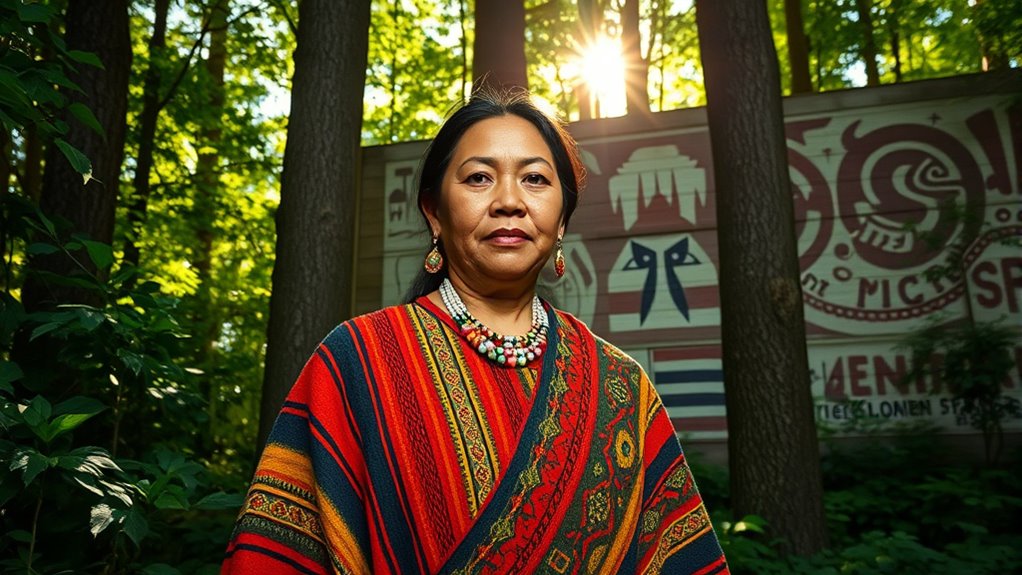
In the vast and often tumultuous landscape of feminist discourse, Indigenous feminism emerges not merely as a branch but as a revolutionary force—an insurgent current harnessing ancestral wisdom and contemporary resistance in tandem. It blows through the dust of colonial erasure, reclaiming sovereignty over body, spirit, and culture. Central to this resurgence is the formidable Women’s Warrior Society, a metaphorical and literal battalion of women whose power transcends convention, embodying the fierce and unapologetic spirit of Indigenous womanhood. This article unpacks the multifaceted dimensions of Indigenous feminism and illuminates the dynamic power of the Women’s Warrior Society through a series of thought-provoking and evocative lenses.
The Genesis of Indigenous Feminism: An Unyielding Rebellion
Unlike mainstream feminism, which often revolves around gender equality within the frameworks of Western paradigms, Indigenous feminism arises from a complex matrix of intersectionality—where gender oppression intersects with colonial violence, cultural genocide, and systemic disenfranchisement. It is not simply about claiming rights; it is about restoring a disrupted worldview, rebuilding fractured identities, and dismantling patriarchal legacies imposed by colonial invasions. The narrative challenges the Western feminist archetype, calling attention to Indigenous women’s unique struggles and the resilience rooted in their heritage. The story of Indigenous feminism is one of insurgency against erasure—a reclamation of holistic empowerment that honors traditional matriarchies and communal stewardship.
The Women’s Warrior Society: A Resurgence of Sacred Power
More than a symbolic nod, the Women’s Warrior Society epitomizes a galvanizing collective of Indigenous women who channel ancestral power to confront persistent injustices. This society is an amalgamation of spiritual strength, intellectual resistance, and politicized action. Emerging from traditions where women were keepers of wisdom and guardians of communal well-being, these warriors embody a profound hybridity—infusing age-old rites with contemporary activism. They are not passive victims but fierce protectors of land, identity, and future generations. The Society’s narrative is woven with threads of ritual empowerment, reclaiming dances, songs, and ceremonies that affirm their defiantly matrilineal roots.
Interrogating Patriarchy through Indigenous Feminism
Patriarchy, in the Indigenous context, is not an inherent cultural system but rather an import of colonial domination. Indigenous feminism tears apart imposed gender hierarchies that sought to dislocate women from their traditional leadership roles. It deconstructs the false dichotomies imposed by settler colonialism, where Indigenous women were confined to spaces of subservience and victimhood. Through rigorous critique and unapologetic defiance, Indigenous feminism simultaneously exposes colonial violence and reasserts women’s sovereignty in social, ecological, and political spheres. This is a reclamation of power not through assimilation but through decolonization.
Stories as Resistance: The Narrative Power of Indigenous Feminist Literature and Art
Storytelling is the lifeblood and sacred weapon of Indigenous feminism. Through oral traditions, literature, visual art, and multimedia, Indigenous feminist creators refuse to allow their stories to be silenced or sanitized. These narratives are raw, visceral, and unapologetically political — bearing witness to survivance, trauma, and hope. The Women’s Warrior Society, as a muse and metaphor, permeates this cultural production, giving form to stories of resistance and resilience. Readers encounter poetry rich with ancestral invocation, blistering essays critiquing colonialism, and art that visually defies erasure. Each piece is a call to remember, honor, and act.
The Intersectionality Of Identity: Land, Gender, and Spirit
Indigenous feminism does not isolate gender from the land and spiritual ecosystems that sustain Indigenous communities. Instead, it weaves them into an inseparable triad of identity. The Women’s Warrior Society emerges as protectors not just of people but of sacred landscapes and ecological knowledge endangered by extractivism and environmental racism. Their feminism is inherently ecological, understanding that dismantling patriarchy also requires defending Mother Earth. This holistic approach insists on integrity—where healing wounds of gender oppression parallel the healing of soil, water, and sky. Such interconnectedness demands a deep respect for spirituality, sovereignty, and sustainability.
Political Activism & Legal Advocacy: The Frontlines of Indigenous Feminism
Indigenous feminism stakes its claim not solely in cultural realms but resolutely in political arenas. The Women’s Warrior Society is often at the forefront of movements opposing pipeline constructions, fighting forced displacement, combating gendered violence, and asserting treaty rights. Their activism transcends protest signs—it is grounded in legal battles, international indigenous rights forums, and grassroots community organization. This kind of resistance is deliberate, strategic, and unrelenting. Indigenous feminists wield traditional governance models alongside contemporary frameworks, disrupting colonial legal systems to assert rights and demand accountability.
Healing and Future Visions: The Transformative Impact of Indigenous Feminism
At its heart, Indigenous feminism is deeply invested in healing generational trauma inflicted by colonialism and patriarchy. The Women’s Warrior Society embodies this process of reclamation and restoration, transforming pain into power. This healing journey incorporates cultural revitalization, intergenerational dialogue, and spiritual practices that affirm identity and resilience. Moreover, Indigenous feminism envisages radical futures where Indigenous women reclaim leadership roles and redefine kinship networks and community responsibilities. It envisions a world dismantled of imperial violence where Indigenous knowledge systems illuminate pathways to justice and collective liberation.
Embodying Resistance: The Role of Ceremony and Embodied Practices
Resistance is not merely intellectual or political; it is profoundly embodied. Ceremony, dance, and ritual serve as potent vehicles for Indigenous feminist empowerment and communal cohesion. The Women’s Warrior Society frequently integrates embodied practices that ignite ancestral memory and fortify communal bonds. These acts defy the disembodiment caused by colonial oppression, re-centering the body as a site of knowledge, power, and sacred connection. Rituals create spaces of reclamation—where women can heal, strategize, and empower each other outside settler paradigms of control.
Conclusion: The Unstoppable Force of Indigenous Feminism
Indigenous feminism and the Women’s Warrior Society together form a relentless wave of transformative power—an ancient flame rekindled amid modern struggles. Their story is one of profound defiance, unyielding courage, and visionary hope. They challenge not only patriarchal structures but the very foundations of colonial domination, creating new paradigms rooted in kinship, respect, and spiritual resilience. To engage with this feminist tradition is to witness the resurgence of something grander than emancipation—it is the reclamation of a people’s soul, a bold rewriting of history, and a call to embrace the power of your own inner warrior.