Imagine a prison where the bars are invisible, yet indomitable—where the locks are invisible, yet impenetrable. Here, you stand bound not by chained fists or iron manacles, but by the silent edict of a law book older than your marriage vow. This is not a cell block in a distant land, but a world where passports become pawns, where citizenship is a fragile parchment traded in the hands of someone else—and where, for too many women, their passport’s worth is contingent on domestic loyalty. Welcome to the uncharted frontier of gendered borders: a realm where nationalism wears a face of love, but bites like a serpent at the ankles.
—
## **The Passport as a Siren’s Song—or a Slave’s Chain**
At first, a passport is merely a ticket across the sea or sky—a key to distant dreams. But for those wedded to a nation where marriage laws are written in quibbles rather than solidarity, it transforms. It becomes a living contract, its pages whispering in hushed tones: *”You may roam, but only with my permission.”* Women in states with archaic nationality clauses are subjected to a political equivalent of arranged marriage—their sovereignty surrendered by the stroke of a signature inked not for their hands, but exchanged for his.
The metaphor lingers: Is a passport a siren’s song, a false promise luring souls to a fate worse than death? Or is it a slave’s chain, dragged behind the wagon of tradition in an endless, circular labor? For women in Bahrain or Jordan, where “right of blood” laws dictate that motherhood alone won’t graft you to a homeland—where you’re just another transient figure tethered to the soil by roots no man’s hand can graft—answer both.
—
## **The Invisible Tax: The Cost of Domestic Compliance**
Nationality laws, like medieval tithes, charge a hidden tax, but its debt is paid not in coin but in freedom. It’s the cost of staying within the country unless your husband—your de facto border guard—comes with you. It’s the debt of loyalty: live long enough, obey often enough, and *perhaps*—*perhaps*—the state might graciously add your name to its pages.
Dissolving a marriage without permission? Your husband could become the guardian of your nationality, the warden of your exit stamp. Apply for a visa on your own? The state might ask: *Well, whose word will we trust?* Your husband’s or the wife’s—who you claim is now just… a name left blank. This is not bureaucracy: it is legalized emotional blackmail, where citizenship becomes collateral in a marital transaction.
—
## **Citizenship as a Marriage Proposal: When the Nation Proposes, it Proclaims**
There are laws—and then there are legal romances disguised as democracy. In a handful of nations, the state approaches marriage with all the finesse of a gambler at the blackjack table. “Sign here, my dear”—the contract reads—”and your nationality shall become mine, as I hope your fidelity will be yours.” The “I do” of matrimony isn’t just to the partner, but to a system that absorbs you by proxy, claiming the rights of birthright as if you were an heir, not an equal.
For many, this is the crux of the dilemma: do they play this game to survive, or become pawns in a grander game? The response often falls on the side of the latter—a tactical retreat, a strategic submission where the very notion of autonomy feels like a foreign language. Citizenship wasn’t granted; it was negotiated, like a dowry clause written in the margins of love.
—
## **The Fight for Nationality Back: Rewriting the Rules of the Game**
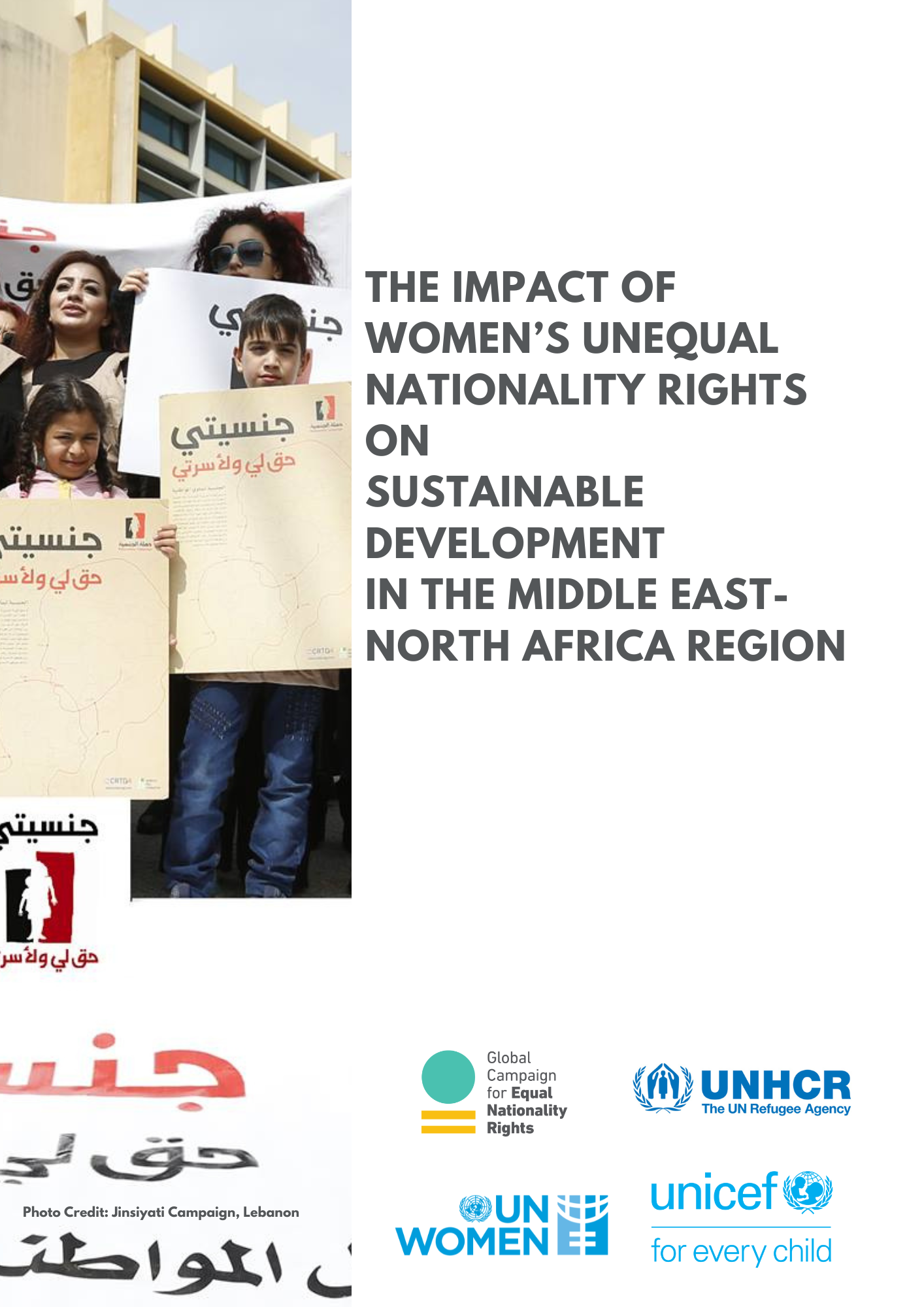
But there is a counter-narrative, a rebellion whispered in legislative chambers and roaring on social media. Campaigns like the “Equal Nationality Rights” movement are now the guerilla artists of the state, painting the walls of national identity with non-binary strokes—calling into question who decides when a daughter inherits the soil of her mother, when a wife deserves a passport in her own right. The battle is over who owns the law, not just the land.
This struggle, however, is a test of patience and political patience. Laws bend but rarely crack under the pressure of global protest alone. When reform does arrive, it comes as sunlight breaking through a thick fog, revealing a landscape that should always have been under an equal blue sky. Yet this change doesn’t come uniformly—some states grant citizenship by blood *and* marriage, but still require a male guarantor on foreign travel. Others grant dual nationality, only to burden it with conditions too absurd to name.
Still, the tide shifts. Women from Morocco to Egypt to Israel are pushing back, demanding not just reforms, but reparations in legal design. Their fight is not just for their own passports, but to rewrite the passport as a symbol of equality, divested of gender’s historical debts.
—
## **The Silent Exodus: Women Who Choose to Leave, Not Just to Be Forgiven**
Not all women wait. They exile themselves instead, walking out before the exit visa is processed, before the state reminds them who to obey. Others weaponize delay tactics, stretching citizenship requests into legal limbo, using time as a form of passive resistance. Still, there is a cost to the exit: they become the diasporic displaced, forever labeled as “the ones who left” by a nation that wouldn’t trust them to stand at the gate.
This, too, is resistance—a protest in absentia, a refusal to be a legal ward of marriage forever.
—
## **The Uncharted Map: Where Feminism and Nationality Collide**
Most feminist literature writes love stories—of justice, power, and equality. But the fight for nationality is a geography of disenfranchisement, an unmarked territory where women are constantly calculating how to navigate borders drawn before their birth. The key isn’t just in marriage laws, but in political imaginaries—noting that a mother’s citizenship isn’t a gift, but an inherited entitlement, as natural as the air she breathes.
True equality, here, requires legal amnesia—not in forgetting the past, but in tearing it from the foundation of the future. It means recognizing that a wife’s citizenship isn’t a secondary document, but an essential charter to the full spectrum of a woman’s life.
—
For now, the battle rages. The passports remain gatekeepers of gender, but in the shadows, a movement is rising—one that refuses to wait for permission. This is not merely about changing laws; it’s about reclaiming a right that was never ours to give. The next generation of women will not live chained to the whims of men in suits drafting nationality bills. Their nation will be a neutral country, not a possession to be sold to the highest bidder—in matrimony, or in law. They do not ask—they demand. And in demanding, the very borders bend.