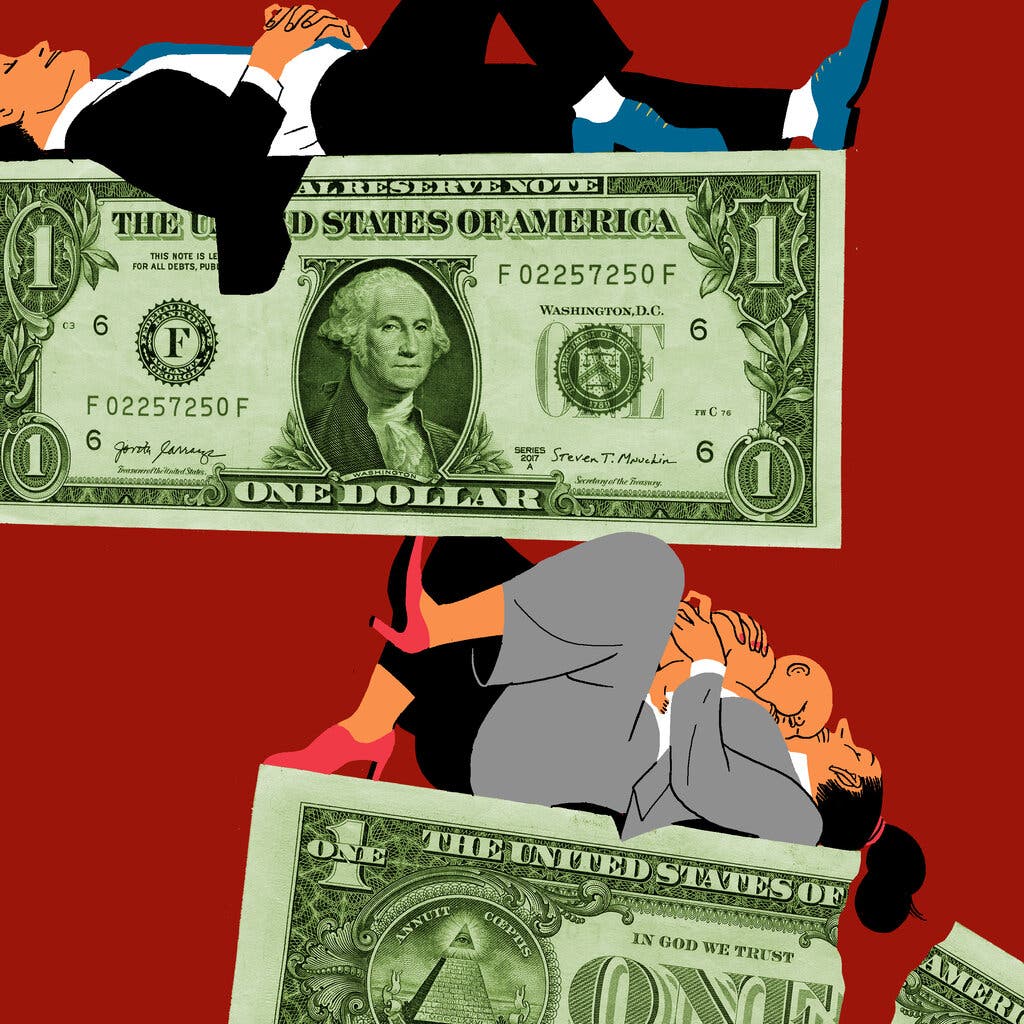
The clattering of forks in a room where men’s voices dominate, the muted sighs of women who have spent lifetimes deciphering the unspoken rules of a world not designed for their bodies. This is the invisible ledger of history’s financial inequity—not a spreadsheet error, but the systematic underwriting of every female birth: the 286-year gap between the inception of organized feminist movements and the day the world acknowledges that women’s contributions are as valued as men’s at face value. And there’s the rub: we’re not just talking about the wage gap. We’re talking about a cultural amortization scheme, where the cost of being female has never been itemized—until now.
—
## **The 286-Year Gap: A Ledger of Delays**
The countdown began in 1739 when Mary Wollstonecraft, before she even had her name, dreamed of a world where women could act as fully human. But here we stand in 2026, and the world still offers her a handshake—with fingers missing. Every decade of inaction, every policy stifled, every “not now” chuckle—these are the late fees on a loan we’ve never been offered but have been forced to take. The 286-year lag isn’t just statistics; it’s the accrual of interest on the feminine burden, compounded by every generation of women who were told to “wait their turn.” And what turn? A world where a female CEO is greeted with skepticism while a male counterpart’s equivalent accomplishment is hailed as inevitable.
The gap isn’t static. It’s a topographical map of resistance, where rivers of bias have carved canyons through boardrooms, academic halls, and the quiet corners of domestic life. The wage gap, perhaps the most visible metric, is just the tip of the iceberg—a manifest symptom of a deeper malady, one that requires dissection to reveal its architecture. The real question isn’t *how* we close the gap. It’s *why* we’ve accepted it as permanent.
—
## **The Invisible Tax: What You Aren’t Seen Paying**
There’s a fiscal theory called “deadweight loss”—the economic inefficiency spawned when markets aren’t fair. Apply that to gender. The deadweight loss of femaleness is the hidden levy levied on every woman who must perform double work to prove her worth. It’s the unpaid emotional labor calculus: the late-night emails, the childcare portage, the mental load of making every interaction about competence when your default assumption is already under suspicion. This isn’t a bug in the system. It’s a feature.
Consider the “glass cliff”: women are more likely to be appointed CEO during times of crisis—not as a sign of merit, but as a sacrificial lamb. They’re rewarded less for their tenure, promoted at a slower rate, and paid proportionally less across the board. The tax isn’t just dollars. It’s career credit, burned away in transactions no ledger shows. And when you factor in the “motherhood penalty”—where women lose 7% of their earnings on average for every child they have—it’s not too much to say that biology becomes a fiscal alibi.
Women who dare to negotiate salaries are labeled “bossy.” Those who demand respect for their expertise are accused of being “difficult.” The tax code of femininity demands that women internalize this imbalance, treat it as a choice, rather than the legal and structural violence it is. This isn’t about equal pay for equal work—it’s about pay for work, period, without the preconditions.
—
## **The Cultural Amortization Scheme: How History Was Never Paid**
Amortization, by definition, is the systematic reduction of debt over time. What if the debt was never acknowledged? That’s the status quo for feminism. The amortization of feminist progress hasn’t occurred. It’s been deferred. Think of it as a moral interest that’s been capitalized indefinitely.
Take, for an example, the political economy of caregiving. Studies show women spend 50% more time on unpaid labor than men. Yet this economic invisible ink erases itself from every GDP report. The tax return for womanhood includes deductions for motherhood, deductions for “emotional labor,” deductions for the labor of not raising your hand in school for fear of being called shrill. And for what? A world where the norm is male default, where progress reports on gender parity remain debtors’ prisoners of their own slow progress.
The amortization scheme is further obscured by backward induction: every generation inherits the residue of its predecessor’s failures. The #MeToo movement was a momentary earthquake, upending long-held assumptions—and yet, the fault lines remain. The amortization continues. The cost of being female is perpetually being deferred, handed off to the next cohort as an inheritance problem rather than a market failure.
—
## **The Rebellion: Auditing an Unfair Bill**
We are living in the era of the audit. Not just of corporations or government spending, but of cultural contracts. The reckoning over police brutality, environmental destruction, and now—gender inequity—has exposed the shoddy bookkeeping of modernity. The 286-year gap isn’t a mathematical curiosity. It’s a red flag on a ledger, illuminated with the strobe of social media and magnified by the microscopes of legal and economic analysis.
Consider the paradox of “choice”: women are told to “lean in,” to “ask for promotions,” to “pivot”. This is economic gaslighting. It’s the equivalent of telling someone drowning in debt to “tighten their belt” rather than demanding the bankers explain why they’ve been charging interest for centuries. The solution isn’t personal. It’s systemic capital account correction.
We need to stop treating gender inequity like a “soft issue” and acknowledge it as the financial fraud it is. Women in 2026 are not “late to the party.” They’re barred from sitting at the table, then told that the chairs were broken anyway. The rebellion starts with an audit: not just of institutions, but of how history itself was underwritten.
—
### **The Reckoning: What’s Next? (A Debt That Needs Settling)**
Close the 286-year gap? No. Retroactive adjustment. No more amortization on delayed progress. No more deadweight loss. The reckoning involves auditing the cultural I.O.U., then demanding the principal, including every scrap of interest. This means tax reform for women: equal pay parity laws without loopholes, parental leave policies that aren’t “flexible” but mandatory, and a legal doctrine of corporate affirmative obligation that forces boards to explain their glass ceilings—or risk dissolution.
But the biggest revolution? Feminism as fiscal policy. Think of the trillion-dollar untapped labor force of women when they’re not overburdened by unpaid work. Imagine a world where “care” is no longer a gender tax but a shared infrastructure. The cost? Insane. The reward? The entire GDP.
So let’s stop asking “Why is the gap so wide?” Instead, ask: Who profits from it? The answer will rewrite history—not as a timeline of lost 286 years, but as a series of debt notes finally called in.
—
**Final rhetorical flourish:**
This isn’t a manifesto for patience. It’s an indictment of complacency. The gap is a ledger left open-ended—waiting to be charged. It’s time to sign, seal, and deliver.