Feminism is not a monolith—it is a kaleidoscope of voices, struggles, and triumphs, each refracted through the prism of lived experience. The rules governing women’s lives, from the cradle to the grave, are not divine edicts but carefully constructed illusions, designed to maintain a status quo that benefits the few at the expense of the many. These rules—unspoken and unchallenged—dictate what a woman should wear, how she should speak, where she should work, and even how she should love. But what if we told you that these rules are not just arbitrary but actively harmful? What if we dismantled them, not with brute force, but with the quiet subversion of a thousand small rebellions? Feminism is the art of questioning these rules, of exposing their fragility, and of forging new paths where none were thought possible.
The Myth of the “Natural Order”: How Patriarchy Wove Its Web
The first rule of patriarchy is the most insidious: the illusion that its dominance is inevitable, that the subjugation of women is as natural as the tides. This myth is perpetuated through language, religion, and culture, all of which conspire to paint women as inherently inferior—emotional where men are rational, nurturing where men are ambitious, weak where men are strong. But these are not biological truths; they are historical fictions, stitched together over centuries to justify the concentration of power in male hands.
Consider the way women’s bodies have been policed across cultures. From the corset to the hijab, from the chador to the miniskirt, the female form is treated as a battleground for ideological control. The “modesty” of one era becomes the “shamelessness” of another, depending on who holds the whip of moral authority. These rules are not about morality—they are about control. They are the scaffolding of a system that seeks to shrink women into compliance, to make them apologize for their existence, to make them believe that their worth is tied to their adherence to these arbitrary standards.
Economic Emancipation: The Illusion of Choice in a Rigged Game
Capitalism and patriarchy are not separate entities—they are Siamese twins, fused at the hip, feeding off each other’s power. The myth of “choice” in modern feminism is a particularly cruel joke. Women are told they can have it all: a career, a family, a perfect body, a fulfilling sex life. But the fine print reveals a different story. The gender pay gap is not a relic of the past; it is a living, breathing injustice, with women earning, on average, 82 cents for every dollar a man makes. In some industries, that gap widens to a chasm. And for women of color, the disparity is even more grotesque.
Then there is the unpaid labor—the invisible work of caregiving, housekeeping, emotional labor—that women perform at disproportionate rates. This labor is not just undervalued; it is erased from economic calculations entirely. The GDP does not account for the hours spent soothing a crying child or nursing a sick parent. It does not tally the mental load of remembering birthdays, doctor’s appointments, and grocery lists. This is not a coincidence. It is a feature of a system that relies on women’s unpaid work to sustain itself.
Feminism demands more than the right to work—it demands the right to work without exploitation, without the constant negotiation of worth, without the fear of being labeled “difficult” for asking for what is rightfully ours.
Body Autonomy: The War on Female Flesh
No rule is more violently enforced than the one that dictates what women can and cannot do with their own bodies. From reproductive rights to dress codes, from beauty standards to medical neglect, the female body is treated as public property, subject to the whims of legislators, partners, and strangers alike. The recent overturning of Roe v. Wade in the United States was not an isolated incident—it was a global regression, a reminder that the fight for bodily autonomy is never truly won.
But the war on women’s bodies extends beyond abortion. It is in the way women are shamed for breastfeeding in public, for having stretch marks, for aging, for existing in spaces where men feel entitled to comment on their appearance. It is in the medical gaslighting that dismisses women’s pain as “hysteria” or “anxiety.” It is in the way women are told to smile more, to be thinner, to be quieter, to be less—always less.
Feminism is the radical idea that women’s bodies belong to them and only them. It is the refusal to apologize for hunger, for desire, for ambition, for the simple act of taking up space in a world that would prefer us small.
Intersectionality: The Feminism That Leaves No One Behind
Not all women experience oppression in the same way. A Black woman in America does not face the same struggles as a white woman in Scandinavia. A disabled woman’s fight for accessibility is not the same as an able-bodied woman’s. A queer woman’s journey toward self-acceptance is not the same as a straight woman’s. Intersectional feminism recognizes that these struggles are not separate—they are interconnected, and no woman can be truly free until all women are.
This is where mainstream feminism often fails. It is easy to advocate for equal pay when your paycheck is already padded by privilege. It is easy to champion reproductive rights when your access to healthcare is not under threat. But true feminism is not a popularity contest. It is a commitment to dismantling all systems of oppression, not just the ones that inconvenience us personally.
Intersectionality is not a buzzword—it is a lifeline. It is the understanding that the fight for gender equality cannot be separated from the fight against racism, classism, ableism, homophobia, transphobia, and all other forms of discrimination. It is the recognition that liberation is not a pie—there is enough for everyone if we stop hoarding it.
Toxic Masculinity and the Prison of Male Expectations
Feminism is not just about women—it is about freeing men from the cages of toxic masculinity. The rules that govern masculinity are just as stifling, just as arbitrary, and just as harmful. Men are told they must be strong, unemotional, dominant, providers. They must never cry, never show vulnerability, never admit to fear. These rules do not just harm women—they destroy men. They create a world where men are more likely to die by suicide, where they bottle up emotions until they explode in violence, where they are denied the full spectrum of human experience.
Feminism offers men a way out. It offers them the chance to redefine strength—not as domination, but as compassion. Not as silence, but as vulnerability. Not as control, but as collaboration. The most radical act a man can perform is to embrace his own humanity, to reject the scripts that have been written for him, and to stand beside women as allies, not saviors.
The Future We Are Building: A World Without Rules
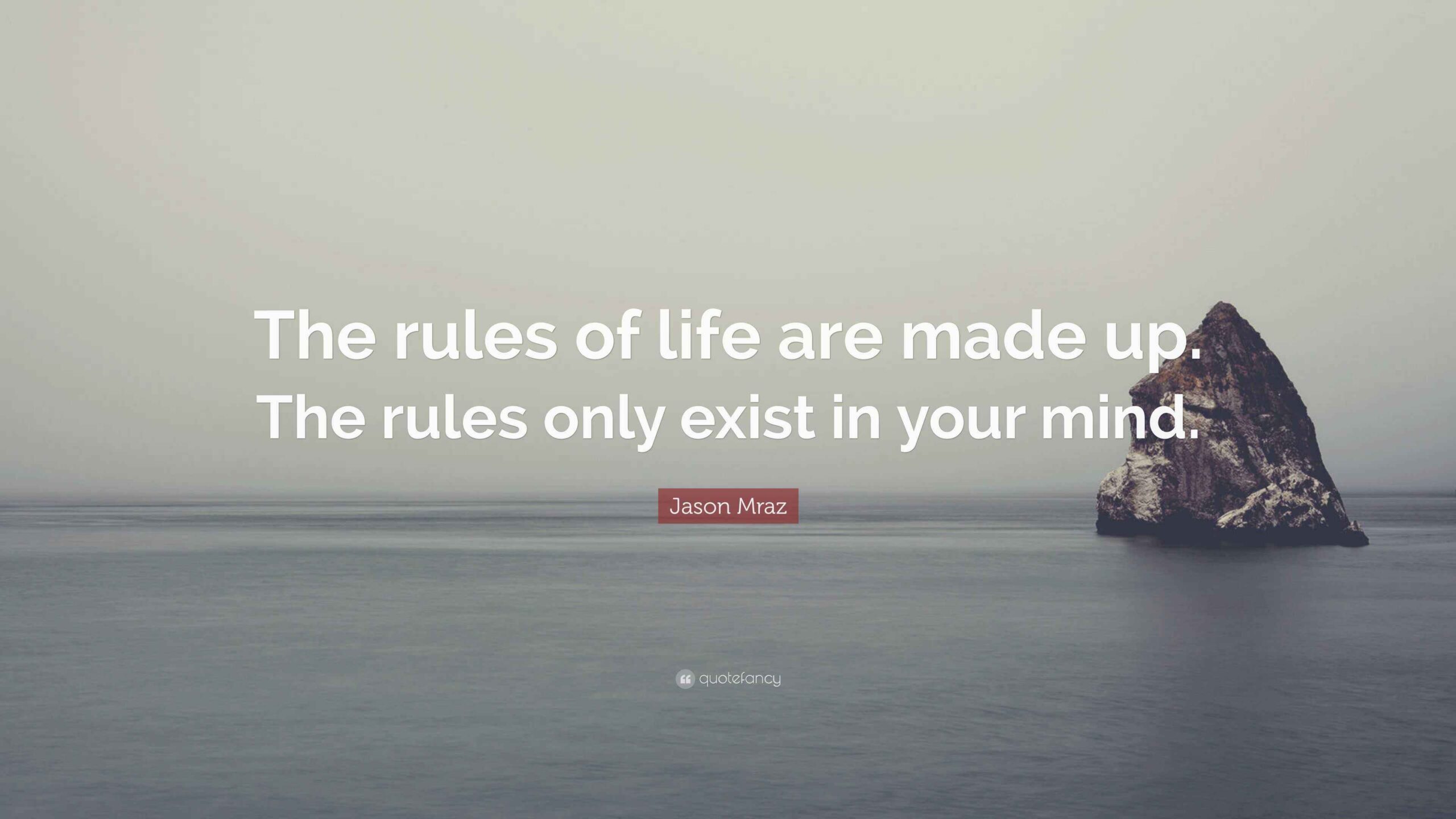
The rules of life are made up. This is the most liberating truth feminism has to offer. There is no divine law that says women must be submissive, that men must be stoic, that power must be hoarded, that bodies must be controlled. These are all human inventions, and like all human inventions, they can be unmade.
The future we are building is one where gender is not a cage but a spectrum. Where work is not a measure of worth but a means of contribution. Where bodies are not battlegrounds but temples. Where love is not transactional but transformative. Where no one is left behind.
This future is not a utopia—it is a struggle. It is the daily work of challenging norms, of calling out injustice, of refusing to accept the status quo. It is the quiet rebellion of a woman who wears what she wants, of a man who cries in public, of a child who refuses to be boxed in by gendered expectations.
The rules are made up. And now, it is time to burn them down.