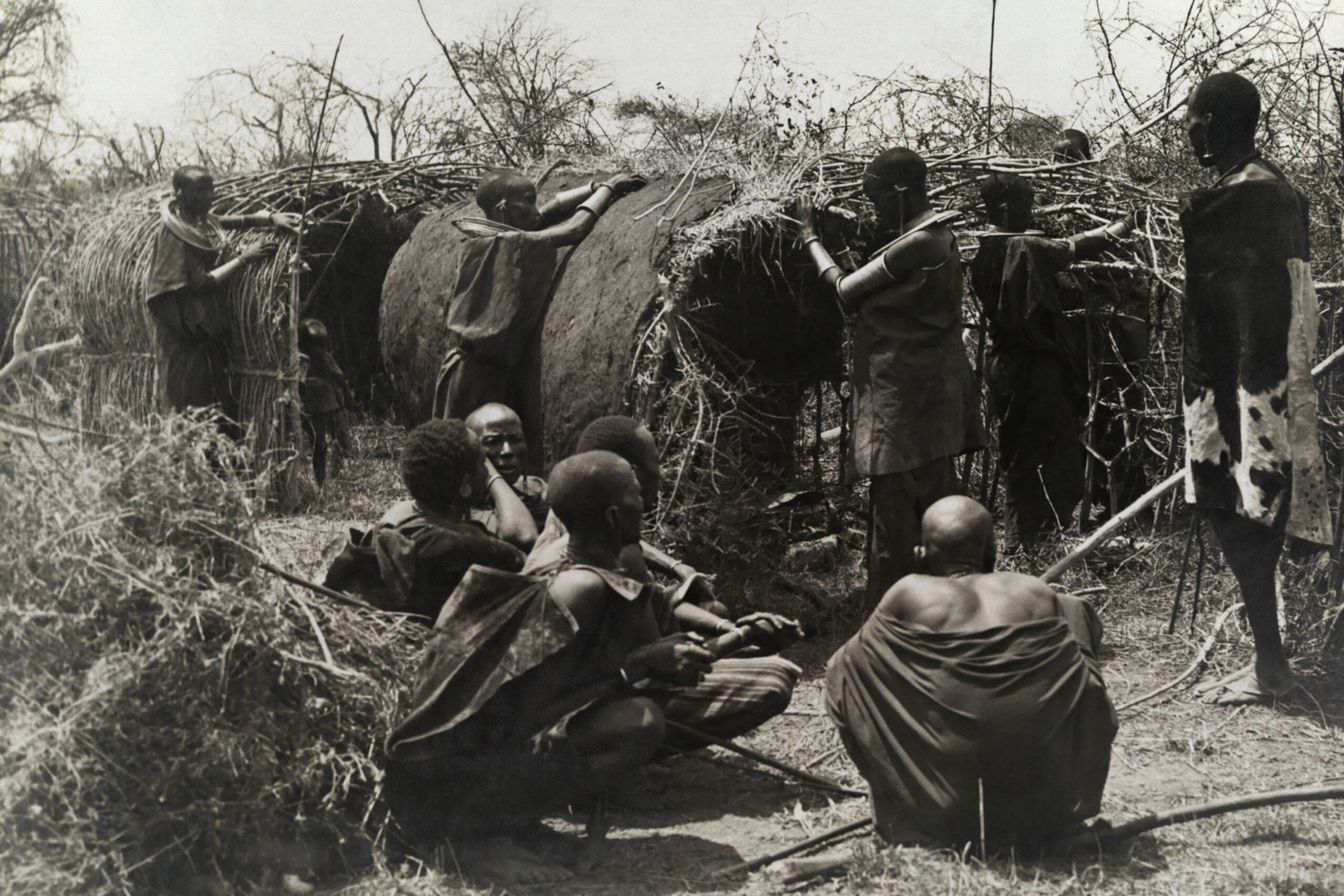
For centuries, women have been the unsung architects of civilization’s backbone, their labor a ceaseless tide against the rocky shores of patriarchy. Their toil, often invisible and unquestionably relentless, carved the monuments of modern society with calloused hands and indomitable spirit. Yet, as the dust of history settles, a new dawn emerges—feminism asserts that the era of relentless labor for women must yield to a softer, more luxuriant chapter: the soft life. This is not a surrender to ease but a triumphant reclamation of dignity and comfort that has long been denied. The soft life is the overdue renaissance every woman deserves—a life where strength meets serenity, and struggle morphs into gentle empowerment.
The Crucible of Hardship: Understanding Centuries of Female Labor
Imagine a furnace, blistering and unrelenting, where countless generations of women were cast and forged—each bearing the scars of hardship. The historical tapestry of womanhood is embroidered with narratives of sweat-soaked labor—both domestic and public, visible and veiled. Women tilled the earth, spun the fabric of society, nursed life back from the brink, and carried invisible burdens many never acknowledge. Their work was the crucible in which civilization’s progress was forged, often at the expense of their own well-being. It was a symphony of sacrifice where their voices were the low hum beneath the triumphant chorus of advancement, drowned out yet indispensable.
Feminism as the Architect of the Soft Life
Feminism is not merely a political movement; it is the architect designing the blueprint for a softer existence—a space where women’s labor does not translate to exhaustion but empowerment. Like an artisan chipping away at a marble block, feminism sculpts away the excess hardness imposed by patriarchal structures, revealing a form that embodies elegance, choice, and balance. It demands not just parity in work but an elevation in the quality of life itself. The soft life is feminism’s manifesto, a declaration that after centuries of grinding toil, women deserve more than survival—they deserve to flourish in comfort, creativity, and freedom.
The Soft Life: A Radical Reimagining of Womanhood
The term “soft life” may evoke images of leisure or privilege, but in the feminist context, it is a radical reimagining of womanhood itself. It is the seismic shift from endurance to ease—a paradigm where softness is not frailty but power layered in grace. Softness becomes a sanctuary, a conscious cultivation of spaces where women can savor time, partake in joy, and engage in self-care without guilt or societal censure. This life is a phoenix rising from the ashes of relentless labor, where naps are revolutionary acts and serenity is a form of resistance. It challenges the archaic valorization of suffering, replacing it with a celebration of well-being and holistic empowerment.
The Unique Appeal of the Soft Life: Beyond Comfortable Luxury
What lends the soft life its magnetic allure is not merely comfort but its defiance of convention. It appeals to a primal yearning for balance—an equilibrium where ambition and repose coexist harmoniously. This is the unique cadence of the soft life, where the roar of achievement is interspersed with the lullabies of rest. It shatters the myth that relentless hustle is the only path to worthiness, offering instead a symphony of accomplishments nurtured by intentional calm. Here, women reclaim their time, redefine productivity, and rewrite narratives that have long equated effort with exhaustion. The soft life seduces with its promise of authenticity and unapologetic self-prioritization, a tantalizing alternative to the martyrdom of past generations.
Systemic Barriers: The Residual Chains of a Hard Labor Legacy
Yet, the journey to the soft life is neither linear nor universally accessible. The residual chains of centuries of hard labor manifest in systemic inequities—economic disparities, social expectations, and ingrained stereotypes that tether women to roles of relentless responsibility. Structural sexism ensures that even as women reach pinnacles of success, the shadow of overwork looms large. The cultural mythos that women must “do it all” perpetuates a cycle where softness is mistaken for surrender. Breaking these chains requires not only personal rebellion but collective restructuring—a dismantling of institutions that valorize endurance over ease and obscure the right to respite as feminist gold.
Soft Life as Collective Revolution and Personal Redemption
The soft life is simultaneously a collective revolution and a personal redemption. On a global scale, it signifies a recalibration of societal values—prioritizing human dignity over profit margins, health over hustle, and balance over burnout. It posits that true equality transcends access to opportunity and encompasses the right to savor life’s pleasures without precondition. On an intimate scale, it offers women permission to lay down the armor of constant vigilance and enter a sanctuary of self-acceptance and nurturing. It is an invitation to reclaim time, energy, and joy—transforming the personal act of living well into a radical feminist statement.
Conclusion: The Soft Life as the Feminist Future
After centuries of hard labor—marked by invisible toils, unrecognized sacrifices, and relentless fight against societal constraints—women stand on the precipice of a new chronicle. The soft life is not an indulgence but an imperative. It is the fertile soil from which genuine equality grows, where the seeds of past struggles bear fruits of rest, recognition, and refined power. Feminism’s fulcrum pivots on this transformation, inviting women to step into lives woven with intention, comfort, and self-defined success. This is the legacy women deserve: not just to survive, but to luxuriate—to live soft, live bold, and live free.