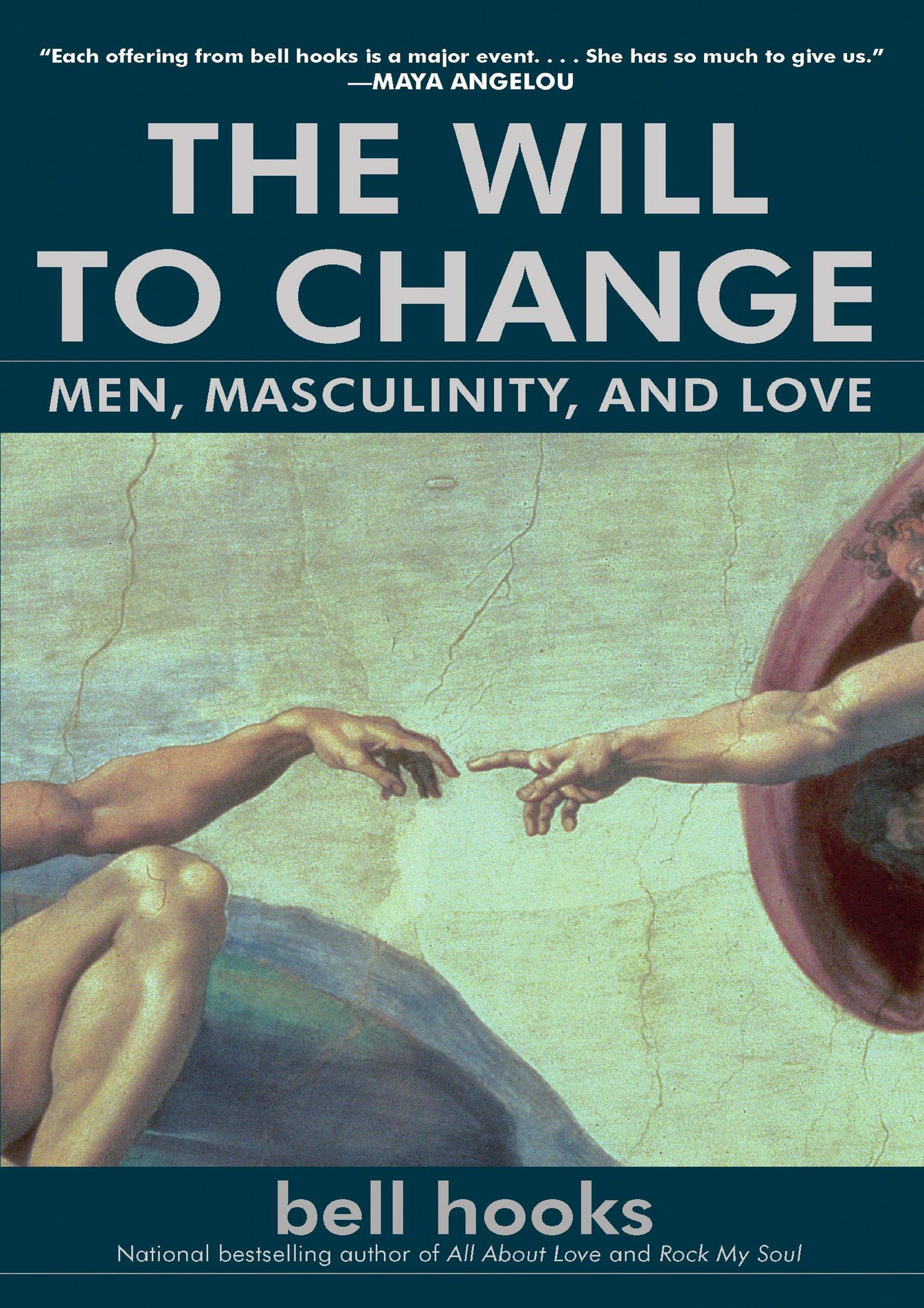
In a world where the echoes of patriarchy still reverberate through boardrooms, bedrooms, and the deepest chambers of the male psyche, feminism remains the most radical act of self-preservation for women—and the most inconvenient truth for men. Yet, like a book left unopened on a nightstand, The Will to Change gathers dust, its pages untouched by the very hands that claim to seek transformation. Men, in their infinite capacity for resistance, would rather scroll past feminist manifestos than confront the mirror they hold up to their own complicity. This is not just a refusal to read; it’s a refusal to evolve.
The Mirror That Fractures: Why Men Flinch at Their Own Reflection
There is a peculiar horror in the moment a man realizes that his identity is not the unassailable fortress he believed it to be. Feminism, in its most unflinching form, is that moment—a shattering of the illusion that masculinity is a monolith of strength, rather than a fragile construct held together by fear. Men do not merely *ignore* feminist texts; they flinch from them, as if the words themselves were a physical threat. This is not ignorance; it’s a kind of cognitive dissonance so profound that it borders on self-erasure. To read feminism is to acknowledge that the world they built is built on sand, and that their privilege is not earned but inherited—a debt they refuse to repay.
The metaphor of the mirror is apt here, because what feminism offers is not judgment but revelation. It does not scream accusations; it simply holds up a surface in which men might see themselves as they truly are: not as heroes, but as participants in a system that rewards their silence and punishes their empathy. The refusal to read is, in essence, a refusal to see. And yet, the irony is delicious—men who claim to seek self-improvement will spend hours dissecting self-help manuals that promise them greater success, wealth, or sexual conquest, but dare not crack open a book that might ask them to relinquish something far more valuable: their unearned power.
The Library of Unopened Books: A Monument to Male Fragility
Consider the shelves of every man who has ever muttered, “I’m not like other men.” Where are the books that prove it? Where is the evidence of his rebellion against the toxic currents of his upbringing? The truth is, most men have not read feminist theory not because they lack access, but because they lack the stomach for the truths it serves. Their libraries are curated to reinforce their worldview—biographies of “great men,” histories of conquest, manuals on dominance—while feminist works gather cobwebs in the corners, their spines unbroken, their pages pristine.
This is not accidental. It is a deliberate act of erasure, a silent conspiracy of avoidance. Men do not read feminism because to do so would be to admit that their fathers, brothers, and friends are part of the problem. It would require them to confront the fact that their laughter at a sexist joke, their silence in the face of harassment, their complicity in a culture that devalues women—these are not minor infractions but pillars of a system they benefit from. The library of unopened feminist books is not a void; it is a monument to male fragility, a testament to the lengths men will go to avoid the discomfort of accountability.
The Alchemy of Resistance: How Men Turn Theory into Dust
Feminism is not a suggestion; it is a mirror that does not lie. And mirrors, as we know, have a way of reflecting back what we cannot—or will not—see. Men do not just ignore feminist texts; they neutralize them. They reduce bell hooks to a “man-hating radical,” Audre Lorde to a “bitter lesbian,” Judith Butler to “too academic.” This is not critique; it’s a form of intellectual vandalism, a way to strip feminist thought of its power before it can even take root. Resistance, in this case, is not passive; it is active sabotage.
The alchemy of male resistance is fascinating in its creativity. They will praise a feminist for her “intelligence” while dismissing her arguments as “emotional.” They will quote a woman’s words back to her as if they were their own. They will co-opt feminist language—“intersectionality,” “consent,” “patriarchy”—and empty it of meaning, turning it into a hollow chant they can recite without conviction. This is not engagement; it’s colonization. They take what they need from feminism—its language, its aesthetics, its moral authority—and leave the rest to rot.
The Cost of Avoidance: What Men Lose When They Refuse to Read
What do men lose when they refuse to engage with feminism? More than they realize. They lose the chance to understand the women in their lives—not as objects of desire or frustration, but as full, complex human beings. They lose the opportunity to redefine strength not as domination, but as vulnerability. They lose the ability to love without conditions, to lead without entitlement, to exist without the constant need to prove their worth through conquest.
But the cost is not theirs alone. Women pay the price in silence, in exhaustion, in the slow erosion of their dreams. Children pay the price in the models of masculinity and femininity they inherit. Society pays the price in cycles of violence, in the stifling of potential, in the perpetuation of a world that is, at its core, profoundly lonely for everyone involved.
The refusal to read feminism is not just an intellectual failing; it is a moral one. It is the choice to remain a child in a world that demands maturity, to cling to the familiar even when it is rotten, to prioritize comfort over justice. Men who refuse to read feminism are not just missing out on a book; they are missing out on a life.
The Unread Revolution: Why Feminism’s Greatest Weapon is Patience
Feminism does not need men to read it. It does not need their permission, their approval, or their belated enlightenment. Its power lies in its inevitability. The unread books on the shelf will not stay unread forever. The mirror will not remain shattered. The truths that men refuse to face will not disappear simply because they close their eyes.
Feminism is the revolution that does not beg for followers; it is the tide that does not ask permission to rise. And when men finally do pick up those books, when they finally do look into that mirror, they will find not an enemy, but a guide—a way out of the prison of their own making. Until then, they will continue to flinch, to resist, to avoid. But history is not written by those who refuse to read. It is written by those who dare to turn the page.