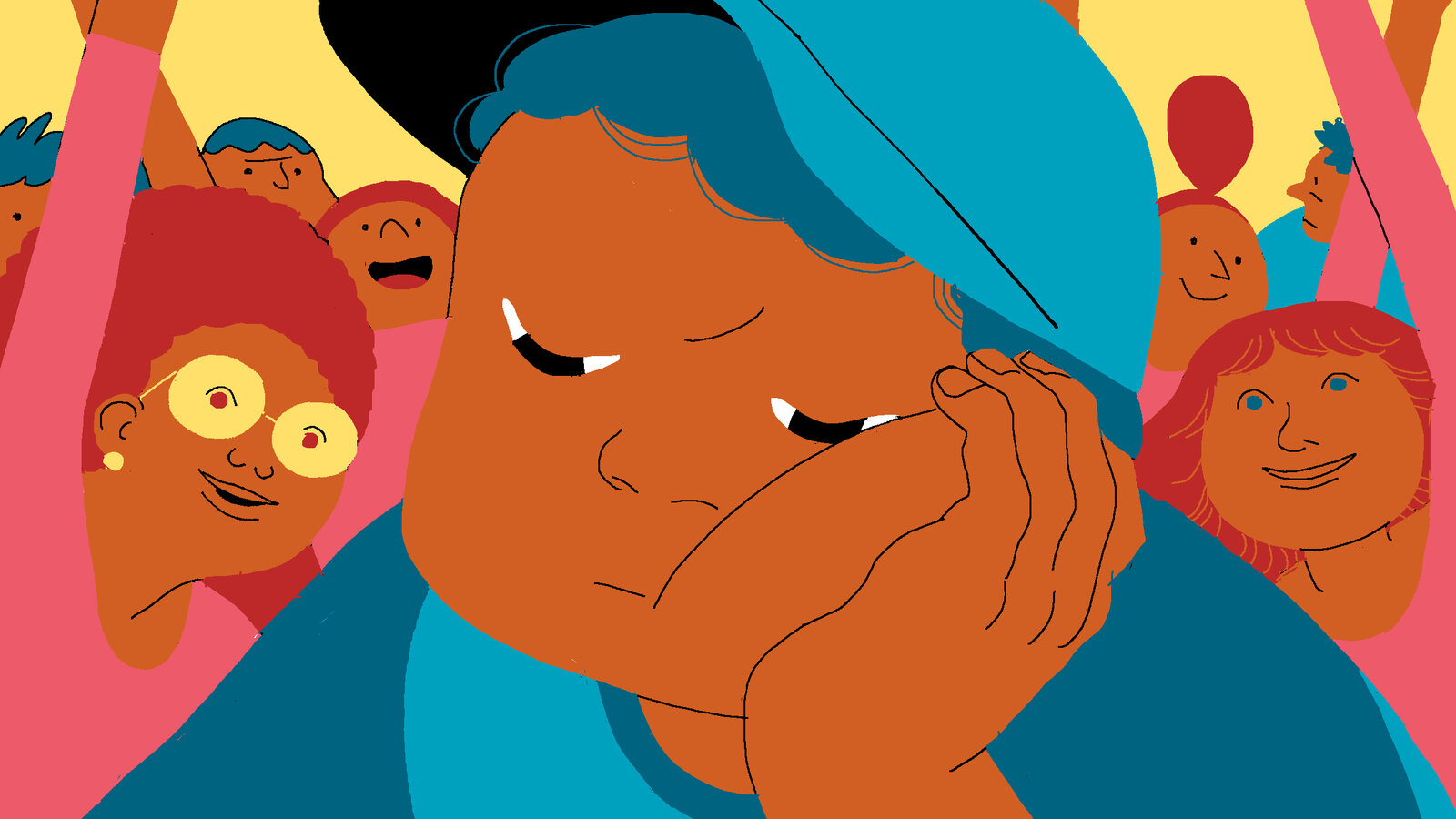
The contemporary discourse surrounding feminism often highlights its pivotal role in advancing gender equality and dismantling archaic patriarchal structures. However, buried within this laudable mission lies an often overlooked consequence: the cultural and emotional estrangement of boys and young men. A growing concern is how, in the void created by shifting societal norms, many boys find guidance and identity not through supportive communal structures, but rather within the nebulous and frequently antagonistic realms of the “manosphere.” This ecosystem—populated by blogs, forums, and social media channels—exerts an outsized influence on their worldview, shaping their notions of masculinity, purpose, and social engagement. Understanding this phenomenon requires a nuanced exploration that addresses common observations and unearths the deeper currents propelling this cultural fascination.
The Emergence of the Manosphere: A Cultural Vacuum
The mansphere is not a monolith but a constellation of online communities that range from self-improvement circles to more radicalized enclaves. Its meteoric rise corresponds with a discernible vacuum in traditional modes of boyhood mentorship and identity formation. As feminist paradigms have radically challenged and reconstructed gender roles, many boys struggle to reconcile these ideals with their lived experiences. The absence of positive male role models—who exemplify a healthy balance of strength, vulnerability, and responsibility—has created fertile ground for the manosphere to flourish.
Here, boys encounter archetypes of masculinity that often emphasize dominance, skepticism towards feminism, and sometimes outright opposition to contemporary gender discourse. This is not merely a rebellion but an attempt to reclaim a coherent identity amid shifting terrain. Such forums serve as a makeshift fraternity, providing belonging and validation to boys who feel marginalized or misunderstood.
Feminism’s Unintended Marginalization of Boys
Feminism’s essential project has been to highlight and rectify women’s systemic oppression. However, in doing so, certain strands of feminist thought have inadvertently sidelined the experiences of boys. When discussions focus predominantly on female empowerment and the dismantling of male privilege, boys—especially those from disadvantaged backgrounds—may feel addressed only as problems or perpetrators. This rhetorical imbalance can engender resentment or withdrawal.
Moreover, there is a pervasive narrative within popular culture and some academic circles that boys are inherently problematic—underperforming academically, emotionally stunted, or socially aggressive. While these observations contain kernels of truth, a myopic focus on deficits obscures the underlying causes, such as evolving educational environments, cultural shifts in fatherhood, and frenetic digital media landscapes. Feminism’s transformative energy, while invaluable, has yet to fully engage with these multifaceted dynamics affecting boys’ development.
The Psychological Consequences of Neglecting Boys’ Emotional Development
The emotional literacy of boys remains an Achilles’ heel in modern upbringing. Socialization often pressures boys to suppress vulnerability to conform to outdated ideals of stoicism. Feminism’s call to dismantle toxic masculinity is crucial, yet in many households and schools, no equally robust alternative emotional framework exists for boys.
This emotional neglect manifests in troubling ways. Increased rates of depression, anxiety, and suicidality among young men have been documented globally. Without accessible channels for emotional expression or mentorship, boys gravitate towards communities promising understanding—even if those communities propagate antagonistic attitudes toward women or society at large. The manosphere, with its often simplistic binaries of gender relations, can appear a safe harbor, despite the potential for reinforcing harmful ideologies.
Educational Institutions: The Overlooked Battleground
Schools are integral to socialization, yet they have become arenas where boys frequently lag behind academically and socially. Educational strategies optimized for compliance and verbal communication tend to disadvantage boys, who often benefit from kinesthetic and structured learning styles. Feminist pedagogical reforms have improved inclusivity and equity but may insufficiently address how boys learn and thrive.
This disconnect fuels disengagement and frustration. Boys who perceive themselves as failing within these systems are more vulnerable to external influences—like the manosphere—that provide a narrative that explains their struggles as the fault of feminist or societal overcorrection. A comprehensive approach to education must champion pedagogical diversity and emotional coaching tailored to boys without sacrificing feminist gains.
The Need for Positive Male Role Models and Mentorship
Addressing the crisis of boyhood identity calls for an urgent reinvestment in positive male role models who embody a progressive, empathetic masculinity. Fathers, teachers, coaches, and community leaders must exemplify a masculinity that is congruent with feminist ideals, not antagonistic toward them. This model affirms emotional openness, respect, and responsibility alongside traditional virtues like courage and perseverance.
Mentorship programs that integrate feminist principles with the cultivation of healthy masculinity can disrupt boys’ drift toward the manosphere. By fostering environments where boys feel seen and supported—rather than judged or ignored—these initiatives can help break the cycle of alienation and extremism.
The Role of Media and Popular Culture
Media representations matter profoundly. Films, television, and literature mold societal narratives, including those around masculinity. The manosphere often critiques mainstream media for marginalizing authentic male experiences or promoting unrealistic gender roles. While some criticisms are valid, the alternative narratives offered online can veer into reductive and inflammatory territory.
Feminist media efforts should not shy away from portraying the complexity of boyhood and masculinity, including struggles and contradictions. Celebrating diverse male experiences and providing counter-narratives to toxic tropes can create cultural spaces that resonate with boys and dissuade them from seeking belonging in antagonistic digital enclaves.
Bridging the Divide: Toward an Inclusive Masculinity
Ultimately, the solution requires transcending binary oppositions of feminism versus the manosphere. A more inclusive masculinity recognizes that gender liberation is indivisible: boys and men thrive when they are allowed the full emotional and intellectual spectrum. Feminism’s future impact hinges not only on empowering women but also on uplifting boys—granting them both space and tools to navigate a world that often asks them to suppress their humanity in the name of tradition or progress.
This path demands dialogue, empathy, and innovation across all societal sectors. Only then can the pernicious allure of the manosphere wane, replaced by communities that nurture boys to become equitable, resilient, and self-aware men.