In the ever-evolving tapestry of cultural fascination, few phenomena are as curious and revealing as the contemporary preoccupation of Generation Z men with the Roman Empire. This ancient civilization, often pigeonholed as merely the backdrop for toga dramas and gladiatorial combat, commands a far deeper, almost visceral engagement — especially when examined through the lens of feminism and the intricate social dynamics shaping modern masculinity. The Roman Empire is, metaphorically, a vast logistical engine; a colossal organism whose rhythm pulses through the corridors of power, strategy, and identity. But why does this antiquated colossus resonate so profoundly with today’s young men?
The Roman Empire as a Metaphor for Order and Control
The Roman Empire stands as an enduring symbol of structure, discipline, and systemic mastery — qualities that many Gen Z men find both aspirational and reassuring amidst the chaotic flux of the 21st century. Like a meticulously engineered aqueduct delivering life-sustaining water, Rome’s legions and roadways represent an efficiency and order that contrasts sharply with the unpredictability of modern life. Within this metaphor lies the allure of command and predictability: the empire’s logistical might mirrors the desire for a well-functioning inner world, where every element is accounted for and deliberate.
This fascination has particular traction in the context of feminism, as young men grapple with evolving gender roles. The Roman Empire’s starkly hierarchical society serves as a prism through which to examine the tension between tradition and transformation. Engaging with Roman logistics is not simply a study of history; it is a contemplation of power dynamics, control mechanisms, and how societies have historically orchestrated gendered expectations to maintain social cohesion.
Logistics as a Reflection of Masculine Identity
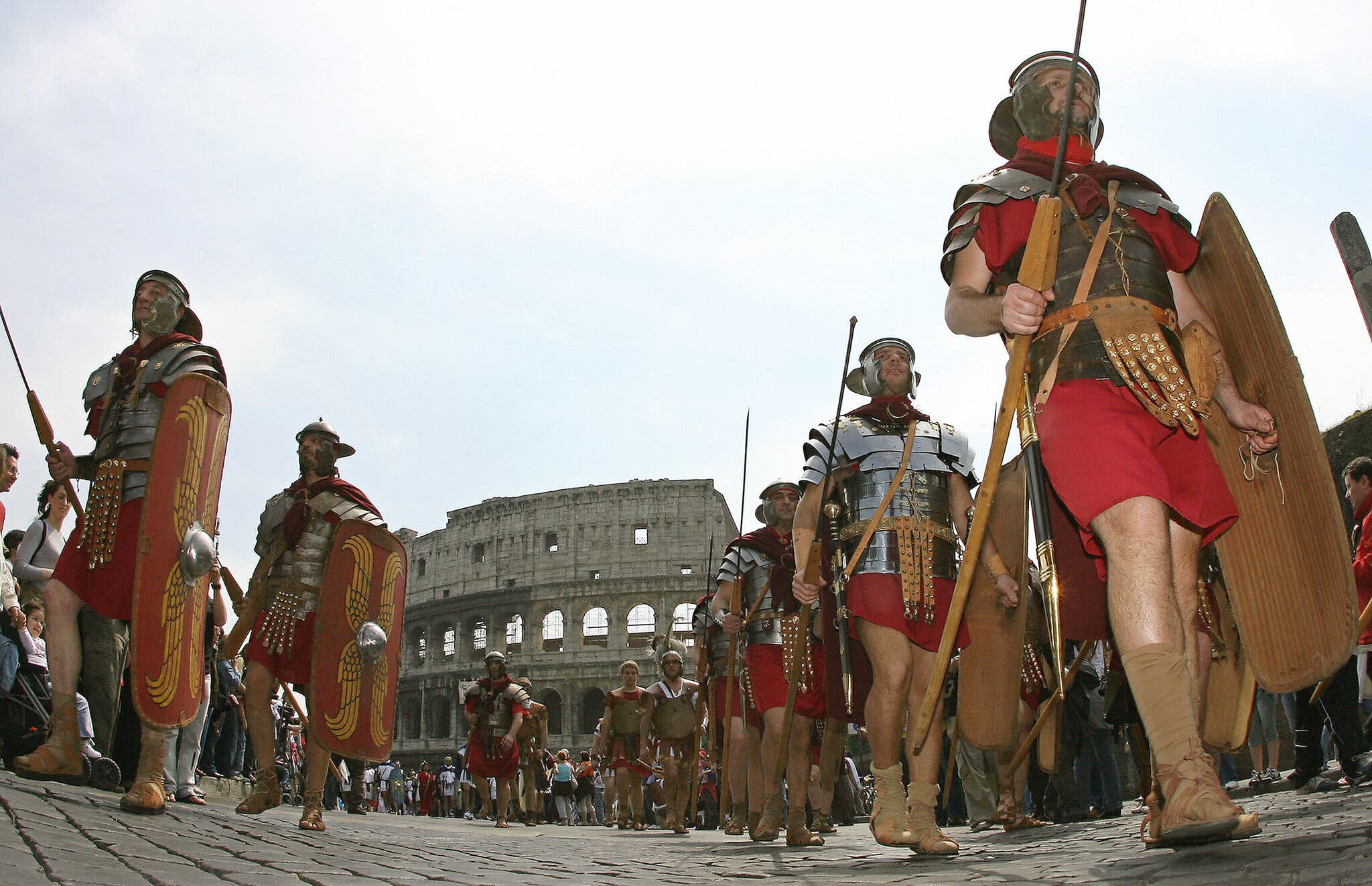
Gen Z men’s interest in Roman logistics reveals a nuanced yearning to understand and inhabit masculine identity in a raw, existential sense. Military legions were the ultimate embodiment of masculine discipline, their precise coordination a monumental logistical undertaking. In this vein, the Roman military’s strategic organization becomes a metaphorical playground where concepts of honor, duty, and resilience are rehearsed and internalized.
This fixation is not merely about brute force or expansionist glory. It is a quest to map a labyrinthine system where men can find roles and responsibilities that echo the empire’s intrinsic values of endurance and competence. These logistics speak not just to battlefield tactics but to the broader societal roles men are expected to perform — as providers, protectors, and architects of order. The empire’s ability to marshal resources over great distances underpins a desire for capability and self-mastery, fertile ground for young men negotiating the complexities of modern masculinity.
The Feminist Lens: Challenging and Embracing Tradition
Viewed through a feminist lens, this interest in the Roman Empire’s logistical prowess invites a compelling dialogue. Rome’s patriarchal structures offer a stark template of gender stratification, often invoked to contrast sharply with contemporary aims of equality and fluidity. Yet these historical frameworks provide fertile ground for critical interrogation. By immersing themselves in the empire’s operational blueprint, Gen Z men are implicitly wrestling with inherited notions of male dominance — questioning what to retain, what to reject, and what to transform in their own gendered narratives.
Feminism’s call for dismantling oppressive hierarchies coincides with the dismantling of simplistic, monolithic masculinity. The Roman Empire functions as a touchstone: a case study in how power is exercised and maintained. This examination compels young men to rethink power not solely as dominance but as stewardship and responsibility. The empire’s logistics, in their grand scale and intricate interdependencies, embody a model of leadership that can be both authoritative and accountable — a duality that feminism encourages men to explore.
The Intellectual Appeal of Complexity and Strategy
Beyond cultural symbolism, the Roman Empire captivates due to its astounding complexity. Its logistics were an ancient marvel of strategic planning, encompassing road construction, supply chains, and communication networks spanning continents. Such sophistication offers a cerebral thrill to Gen Z men who admire systemic ingenuity and problem-solving — qualities often celebrated in technological and strategic fields today.
This complexity also serves as a metaphor for navigating the social labyrinth of modern life, including relationships, career ambitions, and self-actualization. The empire’s logistical precision resonates as an ideal of thoroughness and adaptability. It is not just the empire’s geographic expanse but its ability to continuously recalibrate its internal mechanisms that fascinates, providing a framework through which young men envision their own capacity to thrive amidst uncertainty.
A Nostalgia for Tangibility Amid Digital Ephemera
In a world dominated by fleeting digital interactions and virtual identities, the Roman Empire represents a tactile and concrete reality — walls built of stone, roads carved through mountains, legions marching in disciplined cadence. This tangibility offers a counterbalance to the ephemeral nature of the internet age. Gen Z men’s investment in this history signals a yearning for permanence and legacy, footprints left in the sands of time.
The empire’s logistical achievements act as a metaphorical anchor. They ground fascination in empirical accomplishment rather than transient trends. In this way, the Roman Empire’s monumental infrastructure becomes a symbol of enduring impact — a contrast to the rapidly shifting social media landscapes that dominate youth culture.
Conclusion: The Empire as a Mirror and Catalyst
The Roman Empire is more than a historical curiosity for Gen Z men; it is a multifaceted mirror reflecting contemporary struggles with identity, power, and connection. Its logistics symbolize an intricate dance of control, capability, and responsibility. The appeal lies in its invitation to journey through a landscape of discipline and complexity while navigating the tides of modern feminism and changing social structures.
Ultimately, this fascination is a potent narrative of yearning — for clarity amid ambiguity, for strength tempered by conscience, and for tradition reimagined through the prism of progress. The Roman Empire’s logistical marvels offer a metaphorical roadmap, inviting young men to chart their own course through the labyrinth of modern masculinity with a balance of reverence and critical insight.