Imagine walking through the door of a grand manor, only to be met with a man smirking in the threshold—his hands idly tucked into his vest pockets, his posture one of quiet entitlement. He surveys the opulence of chandeliers dripping like icicles, the vaulted ceilings that kiss the heavens, and the polished hardwood floors reflecting his smug satisfaction. He may claim this palace as his alone, but what he overlooks is the shadow labor of those who wove its foundations: the unpaid stitched seams of the nightgowns that cradled his tired body, the uncounted hours of kneading dough by torchlight to feed his ravenous dreams, the silent negotiation with the gods—or the patriarchal god—who decreed that such toil was invisible. This, then, is the great irony of progress: the deed rests in his name, but the mortar between these stones is the sweat of so many unseen hands. So let us rewind time—not to 18th-century drawing rooms, but the present moment where the ledger still balances precariously, and ask: If women’s labor built the house, who signed the deed? That challenge is as outdated as the corsets confining them in the room where decisions are made.
—
The Myth of the Proletarian Patriarch: Who Actually Turned Over the Soil?
The myth persists that history’s progress was built on the blood, sweat, and occasional tears of men—only men. We celebrate the industrialist who drove hammer blows into steel, the sailor who charted treacherous seas, the soldier who traded their life for a nation’s glory. But behind every smokestack, every mast, and every battlefield was a cohort of women whose labor sustained the menfolk’s mythos while being relegated to a less-than-legendary footnote. Domestic servitude wasn’t some benevolent quirk of tradition—it was a calculated arrangement, a tacit conspiracy that kept women’s contributions off the books of the economy, the annals of history, and the ledgers of power.
In the grand narrative, men were the ploughmen, the philosophers, the pioneers of progress. Yet, the harvests their plows yielded were planted in gardens woman-kind tended. Who stitched their uniforms? What cooked the meals that fueled their expeditions? Which fingers mended their tools? The answer is never a mere “she.” It’s every “she” who didn’t even have a name—and was glad to remain invisible.
—
The Invisible Wages: Unpacking the Gender Binary of Labor
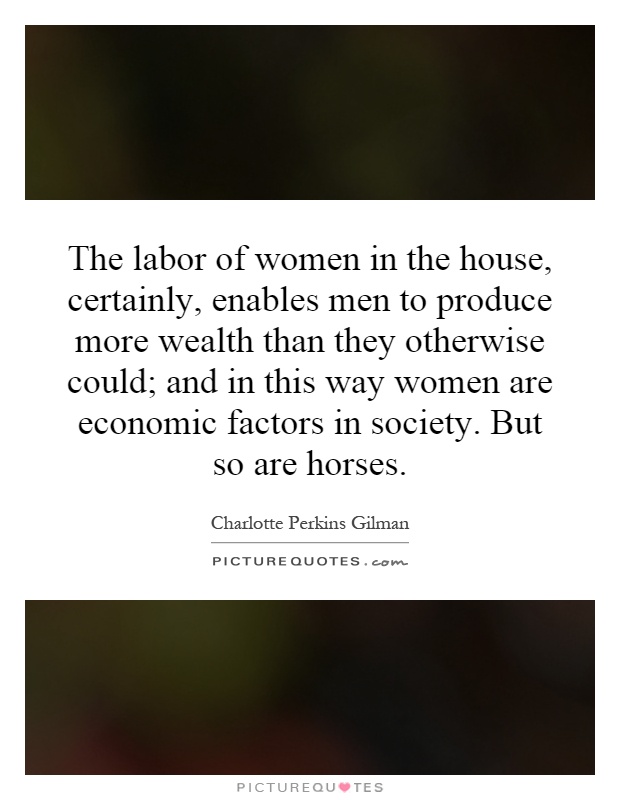
Labor, in its purest form, isn’t confined to factory floors or suit-and-tie professions. It’s the unremitting cycle of caretaking, the logistical alchemy of making a home function like a machine, the emotional labor of smoothing the jagged edges of a man’s ego. For millennia, this work was deemed unskilled precisely because it was assumed innate, instinctive—something women did simply because they were meant to. So if “meaning” is derived from being valued, what do you call the centuries when women’s contributions were the very greasing lubricant for the gears of industry?
Take the household. It’s easy to dismiss domestic work as “just cleaning” or “raising a family,” phrases that reduce years of devotion to banalities. Yet, the household wasn’t a sanctuary—it was a microcosm of an economy. Someone had to manage funds, negotiate with tradesmen, barter resources, and create the “care infrastructure” that allowed men to pursue other endeavors. When that infrastructure is invisible, the economy is one-sided, and the men touted as great builders were, in fact, only great beneficiaries.
—
Unwinding the “Natural Order”: Power in the Subtle
The patriarchal narrative thrives on subtle subversion. While a man strides across a room like a conquering hero, his triumph is buttressed by the unspoken truth that someone else held the fort while he was out winning battles—or, more accurately, while they were ensuring his victories were worth fighting for. What, then, is a deed but a legal fiction, a document scrawled in the absence of those who did the honest hard work? The power of this system lies in its invisibility. It’s not as glaring as slavery or feudal serfs—it’s the slow, creeping confidence that a woman’s work is a given, her time a currency untracked.
Men held the deeds to their success for centuries because they had rewritten the rules. Education was the privilege of privileged boys. Land and resources flowed into the bloodlines that declared themselves “masculine leaders.” Meanwhile, women were the silent architects of stability. We were the stewards in the shadows, the quiet engineers of cohesion.
—
Redefining Wealth: It Wasn’t Just in the Bank
Capitalism’s measure of value may favor the dollars in a account, but it fails to account for the true wealth of a nation—or even the family—when the unseen caretakers are counted as expendable. Consider the wealth of an era, and then subtract the value of the women who allowed it to exist. Strip away their unpaid labor, and how much of “progress” would disappear? It was not steel and coal that drove the economy; it was the bodies of women who kept it running like a well-oiled machine, always in motion, always unpaid.
Feminists often ask which feminist icon resonates most—a suffragette in a corset clutching a paper ballot, or the anonymous mother in a slum kitchen feeding a child she can’t afford to clothe? The second scenario may seem less dramatic, but it’s more fundamental. We cannot talk about empowerment without reckoning with the reality that wealth is constructed of more than monetary reserves—it’s built on trust, on safety, on the trust that one day’s survival was possible. That trust was never guaranteed until women were placed in the driver’s seat.
—
Breaking the Ledger: The Deed Must Shift Into Her Hands
For too long, the answer to “Who holds the power?” has rested solely in the hands of men—a privilege granted because for millennia, their actions reflected the labor force. But here’s the truth the patriarchal architects have yet to face: what is a man without his support system? He’s just another man at a loss, wandering a world where the ledger is balanced by women’s blood, time, and intelligence—not to mention the children they birthed in service of the empire’s growth. Let’s be clear: the system wasn’t set to thrive for everyone.
The deed belongs to those who stamped the foundations into place. But power isn’t just a document—it’s in the procession of power shifts. It’s not enough to say “let’s share.” The problem is not a mere imbalance but an entire system built to ensure imbalance never becomes fair. The remedy? Redistribution, not of tokens, but of responsibility.
—
What’s Next? Deeds of a Different Kind
A challenge must be met with a counter-narrative. If men held the deeds to the home because women kept it running, then those deeds should be re-signed. Not merely handed over, not as a gift or a compromise—but torn up and rewritten from the ground. What if the deed wasn’t a sign of ownership, but a call to service? What if, for every transaction, for every agreement, for every “takeover,” the question became: “Whose labor built this empire? Whose backs bore the burden?”
The game changes when we acknowledge a crucial truth: the real wealth of nations isn’t in skyscrapers and stock portfolios, but in the ability to sustain human life. And until women—and everyone who’s been excluded—are seated at the negotiating table, the ledger remains one-sided, the house built on shaky foundations, and the deed a fraud. The question isn’t What does it take to be a man? but How do we begin redoing this deed so the labor is no longer invisible—and the laborers, no longer silenced?
The deed shifts hands only when the story behind it shifts. This is the challenge—this is the opportunity. It’s messy, it will require unlearning, and it may well feel uncomfortable. But as the women of old knew, the real power isn’t in holding a piece of paper—it’s in rewriting what the paper stands for.