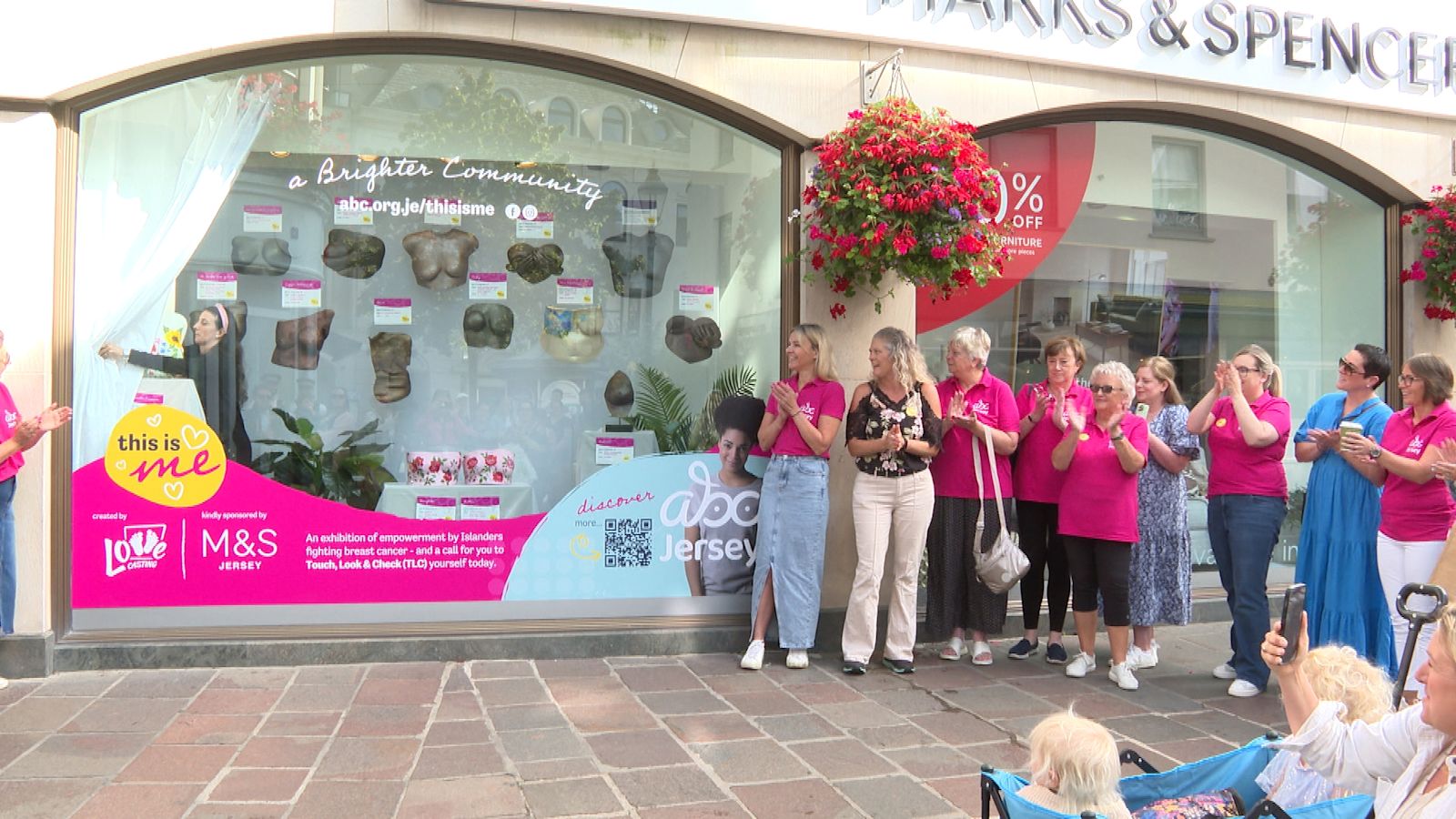
The Courageous Exposé: Rethinking Feminism and the Visibility of the Female Body
In an epoch where feminism is often trivialized, the latest campaign urging women to ‘bare all’ for breast cancer awareness presents a compelling paradox. How does posing naked or partially nude for a cause intersect with empowerment? The juxtaposition of vulnerability and strength invites a profound discourse: Can the bare female form symbolize a potent tool for social change? Such an audacious initiative challenges societal norms and ignites dialogues about the commodification of women’s bodies, inviting us to re-evaluate our perspectives on female agency and activism.
By shedding the layers of clothing, participants transcend merely raising awareness; they disrupt the conventional narratives surrounding breast cancer. It’s a visceral reminder that behind the statistics lies a human experience, often marked by pain, loss, and resilience. When women choose to present themselves in this raw form, they send a message that resonates: bodacious and unapologetic, they are not simply existing within a patriarchal framework but actively reclaiming their bodies, stories, and identities. Furthermore, it begs the question: at what point does exposing oneself for a cause veer into exploitation, and where lies the line between vulnerability and empowerment?
In a society trained to gaze at female bodies with objectification, the campaign spurs us to recognize that these images are vehicles of advocacy. The act of baring all becomes a medium for promoting awareness that emphasizes involvement, education, and community support over alienation or fear. Each image showcased is not merely a display of skin; rather, it is an encapsulation of courage, solidarity, and fortitude. Women do not only showcase their physicality; they flaunt their narratives, their struggles, and their triumphs, thereby fostering a sense of community bonded by shared experiences.
From Shadows to Spotlight: The Dialectic of Visibility
This movement dismantles the silence often surrounding breast cancer—an illness that many battle behind closed doors. Traditionally, discussions on health and disease can create enclaves of disconnection. Women often grapple with feelings of shame or inadequacy in seeking help; the vulnerability of disease becomes intertwined with the taboo of nakedness. However, by confronting this vulnerability head-on, through public imagery and discourse, these women are flipping the script. They dare to expose their realities, dragging this often-stigmatized ailment into the light.
Visibility breeds awareness, and awareness promotes action. The campaign draws attention not just to breast cancer but also to the societal frameworks in place that often leave women feeling isolated during their journeys. It’s not merely a matter of exposure; it’s an invitation to societal introspection. Can we, as a collective, shift our narrative surrounding women’s health from one of discomfort and detachment to one of support and shared understanding? The campaign insists on the urgency of this conversation, compelling individuals across various demographics to reconsider their roles in the fight against breast cancer.
However, it’s imperative to recognize the complexities inherent in such initiatives. Not all women consent to the notion of exposure as a form of activism. Discussions must honor diverse perspectives within feminism and the varied meanings of body autonomy. For some, participating in such a campaign might feel like the ultimate act of empowerment, while for others, it may evoke discomfort or anxiety over their representation. Ensuring that this dialogue remains multifaceted is crucial in promoting an inclusive feminist discourse that respects all women’s choices regarding their own bodies.
Bridging the Gap: Building a Collective Feminist Response
The participatory nature of this campaign fosters a sense of kinship among women but also transcends the gender binary—it sparks conversations that involve allies, family, and friends. The discussions elicited by these provocative images are not limited to women’s experiences alone; they are communal. Much like the health disparities exacerbated by sociopolitical inequalities, breast cancer awareness necessitates a collective approach to cultural change. By centering women’s voices, the initiative simultaneously calls on society at large to recalibrate its understanding of health, disease, and the power dynamics embedded within them.
At its core, the campaign serves as a stark reminder that health is a social determinant intricately linked with gendered power structures. Economic, racial, and age-related disparities intersect with health outcomes, affecting who suffers from breast cancer and who has access to resources for treatment and awareness. The call to action is clear: Those who choose to bare all highlight not only the epidemic of breast cancer but also advocate for a dismantling of the barriers that obstruct equitable health care. True empowerment encompasses not only a reclamation of bodies but also a challenge to the systemic inequalities that shape our experiences with health.
The visceral images aim to evoke emotion, challenge complacency, and inspire individuals to become advocates for change. Women taking part in this initiative write their own narratives, bypassing traditional gatekeepers of media representation. The allure of such activism lies in the ability to reshape perceptions while maintaining agency over one’s body and story. Women are both the narrators and subjects of their stories, ensuring that their truths do not get co-opted or sanitized by prevailing stereotypes.
As this campaign continues to grow and evolve, it invites continued scrutiny and introspection about the nature of feminist activism in the modern landscape. It compels both participants and spectators to gauge their significance within the larger tapestry of health, gender, and awareness. In denouncing the stigma associated with illness and celebrating the vitality of solidarity, this initiative transforms vulnerability into resilience and exposure into empowerment. It’s a clarion call—an invitation to see beyond the skin and connect deeply with the collective fight against breast cancer.
In conclusion, this audacious campaign, which enlists women to literally bare their bodies in the fight against breast cancer, represents a radical shift in feminist activism. It challenges societal norms, dismantles stigmas, and elevates discussions about women’s health to the forefront of public consciousness. As the campaign continues to captivate audiences and foster awareness, it galvanizes us to rethink the complex relationship between exposure, vulnerability, and empowerment, all while advocating for a more just and equitable world. Each image, each story underscores that the fight against breast cancer is not just about survival; it’s about thriving together as a community.