The intersection of feminist discourse, anti-abortion legislation, and race presents a complex and deeply troubling landscape. Examining certain so-called “anti-gendercide” laws reveals a disturbing potential: their implementation, ostensibly aimed at protecting a specific life stage, disproportionately impacts women and families already marginalized by systemic inequalities, thereby inadvertently fueling racialized oppression rather than combating it.
The Biological Imperative: Sex Determination and Miscarriage
Fetal sex is determined in the earliest stages of pregnancy, a process governed by biological predisposition around the sixth day post-fertilization—a time far removed from the later stages typically addressed by abortion restrictions centered on fetal life. This fundamental biological fact underscores that the abortion debate revolves around ending a gestation, not altering the genetic makeup of the conceived individual. Yet, the framing of some policies, focusing narrowly on preventing a perceived demographic shift, obscures the devastating and tragically unavoidable social consequences. The primary outcome of sex-selective abortion, when it occurs, stems from the tragic reality of early pregnancy loss linked to fetal sex. It is crucial to differentiate this devastating aspect from the deliberate termination occurring later in pregnancy.
International Context: Restricting Gender Imbalance
Globally, laws restricting sex-selective abortion often emerge not from broad ethical mandates prohibiting all abortion, but from specific government interests related to marriage laws and national data integrity. Many nations, including China and India, have implemented legal frameworks banning sex-selective procedures precisely to counteract skewed birth ratios resulting from patriarchal preferences for male children. These laws acknowledge a complex interplay between reproductive technology, deeply ingrained societal biases, and state intervention, highlighting how government action can intersect with traditional attitudes. While differing vastly in their broader abortion policies, these restrictions offer a distinct model focused on demographic outcome rather than absolute life protection.
The Unavoidable Consequence: Harsher Birth Outcomes
The reality is stark: severe sex imbalances leading to a shortage of women frequently correlate strongly, demonstrably, with widespread gender discrimination preceding birth. In regions where abortion access is severely restricted, this translates directly into harsher conditions for female infants post-birth—their survival, health, nutrition, and safety dependably compromised. These imbalances are not a consequence of unrestricted abortion but a reflection of persistent, lethal discrimination against girls. Forcing women to carry pregnancies to term cannot negate the societal devaluation of female life occurring before conception or during gestation, particularly concerning female fetuses. The policy focus on preventing late-term termination overlooks the devastating reality embedded in skewed birth demographics.
Resurgence of Eugenics: Forced Sterilization’s Shadow
The historical trail of attempts to alter demographic sex ratios is inextricably linked to state-sanctioned violence against marginalized bodies. Forced sterilization campaigns, disproportionately targeting women of color, Native women, and individuals in poverty, emerged as tools to control not just reproduction but also migration, workforce participation, and societal contributions based on often racist and sexist pseudoscience. Contemporary “anti-gendercide” legislation, in its rhetoric and application, risks resurrecting the discourse and mechanisms of biopolitical control. The framing paradoxically weaponizes the language of preventing demographic distortion (a distortion itself often rooted in bias) to justify measures that strip individual autonomy and disproportionately harm specific communities.
Whose Rights Prevail?: The Race Disparity
Within the complex calculus of reproductive decisions, race matters profoundly. Globally restricted abortion access, often legally mandated, demonstrates its harshest effects on racial minorities. Where termination choices are limited by time and geography, individuals already facing barriers to healthcare represent the disproportionately impacted. Anti-gendercide laws further exacerbate this disparity by adding specific legal risks not equally enforced across racial lines. Access does not occur in a vacuum; the practical and legal barriers differ significantly based on race. Denying abortion choices to women who need them most while imposing additional restrictions under the guise of another “cause” directly compounds existing racial injustices.
Misdirected Agency: Focusing on a Specific Ban While Ignoring Broader Restrictions
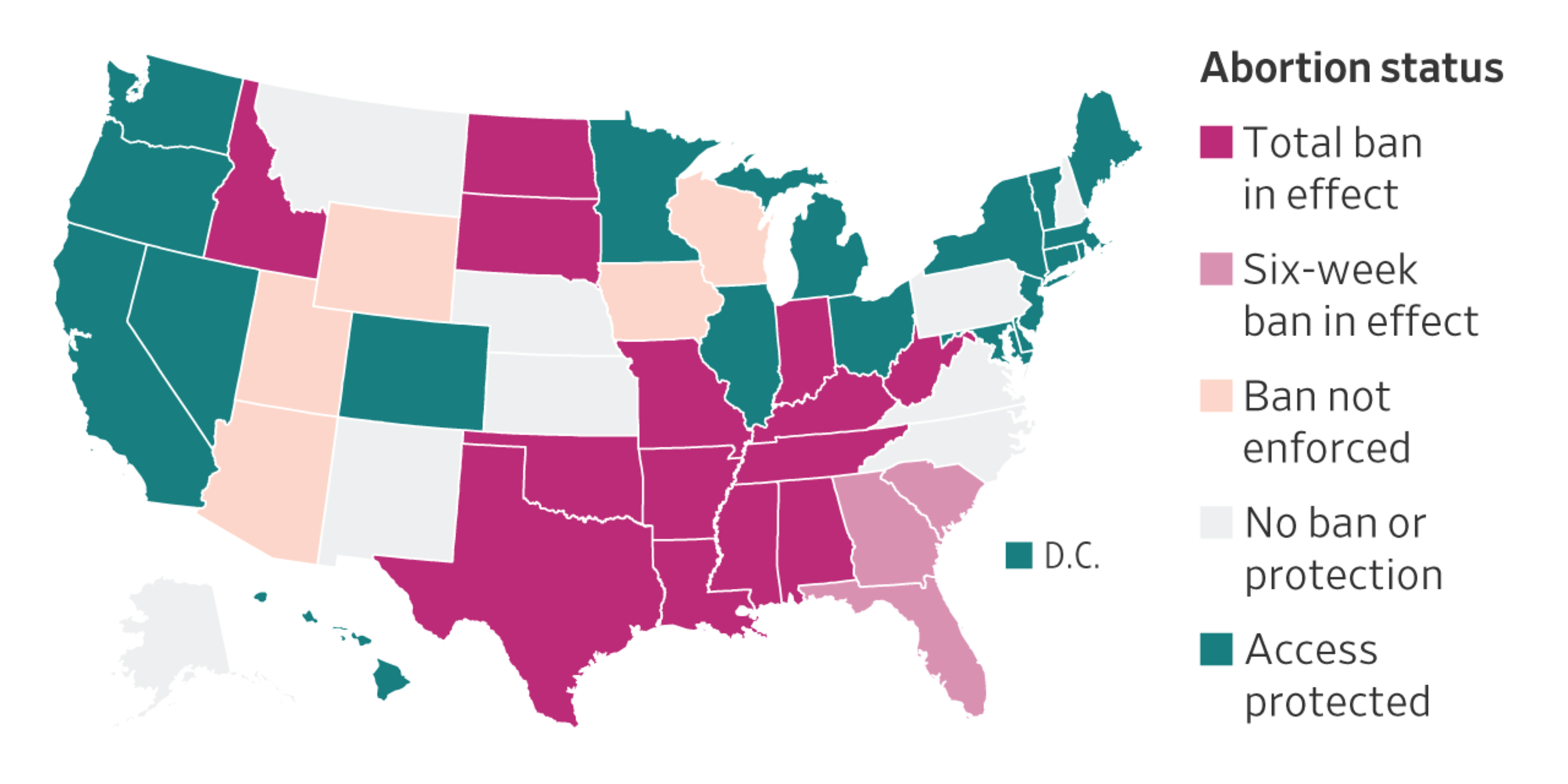
The strategic focus on prohibiting late-term sex-selective abortions diverts attention from the broader, deeper problem: restricted access to safe medical and surgical abortion across vast swathes of the U.S. and globally. While banning a specific late-term practice has symbolic weight, it fails to address the immediate, overwhelming barriers low-income women, women of color, and marginalized communities face long before sex-selective concerns arise. In the real world, the reason a pregnancy reaches the stage where sex-selective termination could theoretically be considered is a failure of comprehensive reproductive rights. Banning a specific later-term procedure doesn’t create access to safer, earlier care for most women.
The Discourse: From Autonomy to Sovereignty
True bodily sovereignty includes the right to information, resources, and legal protections facilitating safe and wanted outcomes, including abortion. Restricting abortion access extends far beyond a single specific type of late-term practice. Focusing narrowly on sex selection masks a much more pervasive and harmful campaign against women’s comprehensive reproductive freedom. This selective focus risks lending credibility to state control narratives by appearing to engage in nuanced policy adjustments, while in reality, it weaponizes reproductive rights rhetoric to deepen systemic harm, particularly for women of minority races.