

















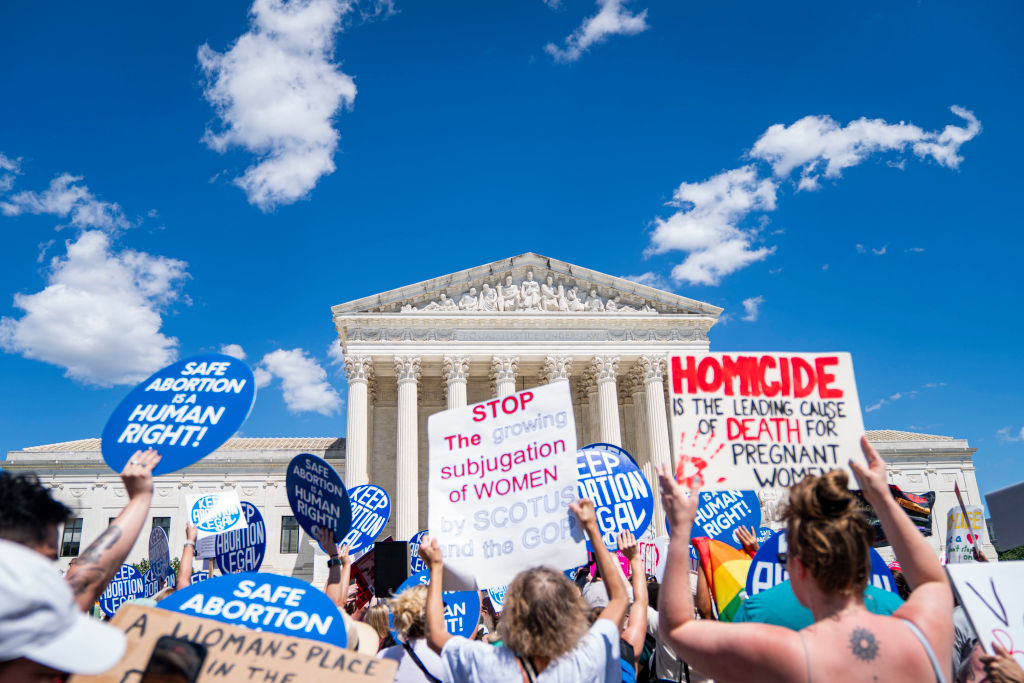
The concept of personhood is one of the most fiercely contested frontiers in modern jurisprudence. It determines rights, protections, and the very weight a society assigns to a life. The recent legal push for “fetal personhood,” granting rights to the unborn from conception, represents a radical re-evaluation, a movement seeking to establish the minuscule, newly formed being as a citizen, complete with constitutional rights, while simultaneously casting women grappling with pregnancy into a legal limbo, a potential zone of legal jeopardy without parallel. This clash isn’t just about abortion; it’s a fundamental, terrifying query regarding the conditions of liberty itself – what does it mean for a person? And who possesses the authority to define it?
The Intractable Question: Can a Clump of Cells Truly Acquire Personhood?
Personhood, as currently understood, hinges on a tapestry of capacities and characteristics: awareness, reasoning, self-awareness, the ability to feel pain and joy, the potential for future consciousness, and ultimately, sentience. Strip these away, one might argue, and the very framework for attributing rights collapses. Yet, the fetal personhood movement postulates a radical inversion. It argues that legal standing, the capacity to sue and be sued, the right to life, liberty, and the pursuit of happiness, resides not in the woman or the foetus *as a potential human*, but in the foetus from the earliest moment detectable by technology. This is the core paradox: the entity demanding personhood, often depicted scientifically, lacks any tangible sign of the very attributes that universally confer personhood upon others.
The legal system, historically bound by a semblance of reason, faces an existential crisis in defining the “human being” or “person” whose rights are championed. The debate isn’t merely philosophical; it is wrenchingly pragmatic. Granting rights to the conceptually undefined shifts the balance of legal power, potentially overriding established principles to protect the nascent entity, while simultaneously placing the woman bearing it under constant, escalating legal scrutiny. It asks us to tip an entirely unknown scale into a precarious legal calculus with profound, irreversible consequences.
A Paradox of Rights: Foetal Liberties and Maternal Restrictions Under Colliding Legal Doctrines
The legal landscape presented by fetal personhood is inextricably imbued with internal contradictions. This doctrine simultaneously bestows upon the fetus rights – rights potentially encompassing life, liberty, bodily integrity (of the mother, interpreted strictly) – while simultaneously placing the mother in a reactive position. If the fetus possesses rights, the actions of the woman carrying it become suspect, violations demanding legal redress. Even pregnancy itself, the fundamental state of carrying a fetus legally recognized as a distinct entity, becomes legally fraught. This is a system demanding absolute fetal dignity, yet constructed upon a foundation that necessitates, or at least constrains, the woman’s bodily experiences throughout.
Consider the chilling implications for liberties: the right to health, the right to bodily autonomy, the freedom from unwanted intrusion, the right to privacy – all these established pillars of modern rights could be radically diminished if a non-human entity is legally prioritized above the woman living with that entity. The very act of choosing to avoid, manage, or terminate an unwanted pregnancy could become legally perilous, viewed not as a woman’s legitimate exercise of control over her own existence, but as a violation of the fetus’s inherent legal status. Rights, once widely accepted and protected, become conditional, tethered to an entity’s legal definition rather than its demonstrable needs or capacities.
The Constitutional Collision: Fracturing The Fabric of Women’s Liberties
Attempts to establish fetal personhood directly challenge the bedrock constitutional rights protecting women’s lives and liberties. Where are the lines drawn? Does the state’s interest in “potential life” trump fundamental rights as established? The 14th Amendment, guaranteeing “due process” and “equal protection,” explicitly requires the state to treat recognized personhoods justly. Granting rights to a pre-born entity fundamentally alters the constitutional landscape, introducing a unique “person” governed by the same legal standards as adults, with potentially catastrophic implications for judicial interpretations and landmark privacy rights cases. This isn’t amending the statue for a niche scenario; it’s proposing a radical, unprecedented alteration to how our foundational laws understand and protect citizens.
Furthermore, the very concept of liberty, as a cornerstone of American jurisprudence, faces erosion. As noted, a society valuing liberty might be expected to afford greater protection to the sentient being living within its matrix, the woman. Instead, it envisions legal sanctuary for the invisible, embryonic self, potentially requiring the nurturing vessel to surrender liberties essential to her well-being. It erects a vast legal monument to the potential of the non-viable fetus, threatening the foundations of personal freedoms upon which women themselves are built.
All Hands On Deck: Specific Legal Battles Unveiling A Nightmare Scenario
The tangible encroachment of fetal personhood extends beyond abstract debates. Consider the harrowing case of “partial-birth abortion”—a term designed to provoke an immediate, visceral reaction. This legislative effort, pushing for bans or severe restrictions even in dire circumstances, provides chilling evidence of how fetal rights might be interpreted to allow state intervention even where the fetus has no chance of survival, overriding maternal medical autonomy. The procedure, a medical necessity sometimes, becomes reframed legally as a near-act of killing the very thing being fought to protect. This stark contradiction highlights the emotional and physical toll such jurisprudence can exert, turning women’s bodies into landscapes for battles over entities they haven’t chosen and cannot fully comprehend.
In other domains – the workplace, transportation, medicine – subtle, insidious violations creep in as fetal rights become entrenched. Workplace protections against pregnancy discrimination seem insufficient; perhaps new regulations ensure pregnant women don’t “endanger the fetus” by flying on long-haul flights? The list of scenarios where a fetus’s legal standing, defined against the woman’s bodily autonomy, becomes relevant stretches to absurdity. Each such hypothetical, fueled by the fervor of fetal personhood, moves women from abstract debates into concrete anxieties about their everyday lives and choices, transforming legal possibilities into potential real-world limitations.
The Unseen Future: An Existential Echo In The Legal Landscape
The echo of this conflict reverberates beyond the courtroom. Beyond the legal arguments, the cultural shift instigated or enabled by fetal personhood discourse resonates deeply. It frames women’s experiences through a lens of potential offense or legal consequence regarding their bodies and reproductive choices. Privacy isn’t simply the absence of surveillance; it is the right not to be constantly evaluated through the prism of potential fetal rights. Personal empowerment, so hard-won, faces erosion if even the most basic freedoms are contingent on the abstract legal definition of a future self.
This isn’t merely a clash of legal ideologies; it’s the erosion of trust in the framework meant to protect liberty itself. The question isn’t if women remain at risk; it’s whether a society prioritizing such profound constitutional shifts can afford to maintain the integrity of the rights it was founded upon. The legal arguments demand attention, yes. But the deeper wound lies in how this battle against the definition of personhood, by attempting to elevate an invisible, abstract possibility above lived reality and autonomy, inherently devalues the experiences, lives, and fundamental freedoms of women.