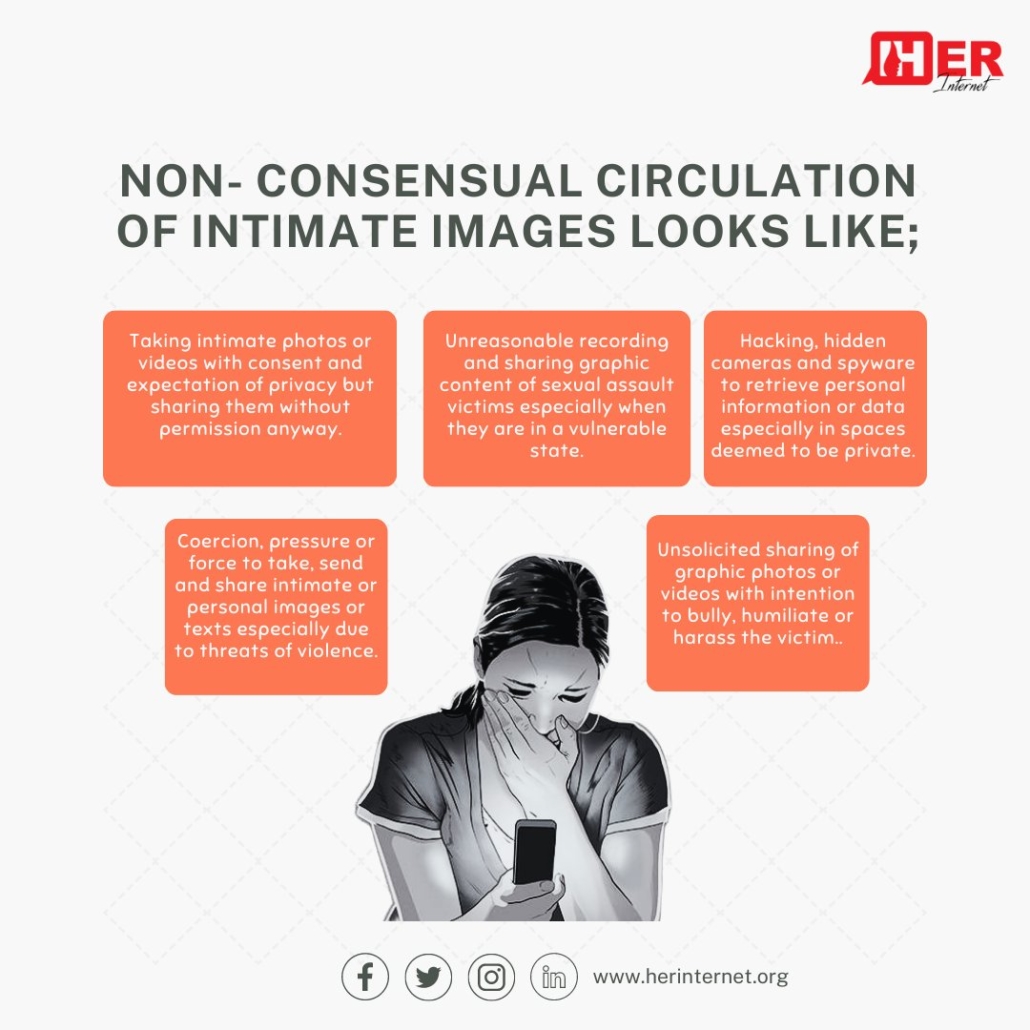
Imagine the digital realm as a vast, interconnected mirror reflecting the entirety of human interaction, including our most private moments. This mirror, however, possesses a dangerous potential – the amplification and propagation of imagery, without consent, that shatters not only personal boundaries but also the core tenets of female empowerment. The issue of non-consensual intimate imagery isn’t just another challenge; it’s a fundamental crisis for any feminist movement aiming toward genuine equality. Addressing its proliferation requires more than rhetoric; it demands strategic action, particularly in mitigating its impact – learning how to effectively remove these unethical images, thereby actively dismantling the barriers they create.
Consent as the Digital Shield
At the heart of this struggle lies the principle of consent, the absolute cornerstone of ethical interaction both online and offline. Non-consensual intimate imagery directly violates this foundational pillar. Understanding that true agency necessitates explicit permission for one’s image, especially in compromising contexts, is paramount. Feminism, in its most progressive form, must relentlessly advocate for a culture where consent is actively sought and unambiguously communicated. This isn’t merely a personal virtue; it’s a legal and social imperative. The presence or absence of consent dictates the ethical (and legal) status of the image.
The Non-consensual Image Erasure Act
Legally, the fight involves navigating complex digital landscapes. Debates rage about age verification systems, the need for stricter anti-pornography laws adapted to digital contexts, and the effectiveness of existing sanctions. Countries worldwide are grappling with how to legislate against the creation, distribution, and, crucially, the circulation of such illicit content. The legal framework must evolve with technology, empowering platforms with robust tools to detect and swiftly remove prohibited material. Concurrently, individuals must understand their rights when targeted, exploring avenues for legal recourse that might facilitate removal.
Digital Anatomy: Knowing the Enemy
The problem manifests in various forms: sexting gone wrong, revenge porn, malicious leaks, or simply the invasive sharing of private moments. Understanding the specific type of imagery involved can sometimes guide the removal strategy. Captured images, unlike simple screenshots, often exist within specific technological frameworks – perhaps needing server access or platform-specific removal commands. This technical understanding, while necessary, can also highlight the digital vulnerability inherent in possessing or sharing intimate images without due regard for their potential impact once circulated.
Platform Power: The Algorithmic Arbiter
Social media platforms and image-sharing sites possess significant power. Familiarizing oneself with these platforms’ community guidelines and reporting mechanisms is often the first step in removal efforts. While platforms vary in their efficacy and responsiveness, reporting illicit content via official channels remains a viable initial tactic. Activating technological surveillance tools that automatically flag or block known repositories of non-consensual pornography provides another layer of defense. However, the gatekeepers – platforms and algorithms – are not infallible, and persistent, malicious circulation unfortunately exists beyond their purview.
Persistence Through Protocol: Layered Strategies
A one-step removal plan is insufficient for a pervasive problem. A layered approach is required: legal action combined with platform reporting, technical countermeasures complemented by supportive networks. Utilizing Digital Amnesia, the principle that search algorithms may eventually lose trace of the most obscure content over time, offers a glimmer of hope, though patience is required. Sometimes, this involves employing specialized services designed for the recovery or removal of intimate images, navigating complex ethical and practical considerations.
The Network of Empowered Advocates
Individual effort, however strong, is often insufficient. Building supportive communities, both online and offline, is essential. These networks offer crucial emotional backing, practical advice on navigating removal processes, and a platform for advocacy. Sharing anonymized information about perpetrators with authorities, where consent is granted within legal bounds and ethical guidelines, can also be part of a broader strategy. Collective action amplifies individual voices and fosters resilience against the isolating terror of image-based harassment.
Looming Horizons: Resilience Requires Vigilance
The technological threat landscape is dynamic. Image manipulation tools become increasingly sophisticated, blurring lines between reality and fabrication, introducing a new complex layer – deepfakes – that mimic the originals even more effectively. Ongoing vigilance, both from individuals concerned about their image security and from the legal and tech sectors focused on protection, is a non-negotiable requirement for any future where female liberation holds true meaning.