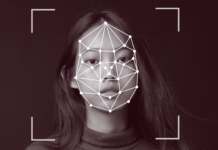
Imagine your body, your physical presence, becoming a currency. Not something you consciously trade, but a potential asset automatically assessed and valued by algorithms based purely on visual data. This is the unsettling reality emerging with image-based insurance models, a development screaming for a feminist critique. Forget the old debates about privacy; the new frontier involves the quantifiable, marketable essence of the human form, raising profound questions about autonomy and commodification in the digital age, right? This is a narrative of bodies transformed, data exploited, and the urgent need for a feminist voice in the burgeoning landscape of digital bioeconomics.
The Digital Body: More Than Just Pixels
In the pre-digital era, physical attractiveness held immense value, often codified in subjective cultural norms reflected in insurance underwriting (yes, even life insurance sometimes considered factors like height and weight). But the digital realm operates under a different logic – one driven by quantifiable data points and predictive algorithms. Your body, once merely a collection of physical attributes interpreted through a cultural lens, is now increasingly broken down into a dataset of measurable visual parameters. Height, weight, BMI, waist-to-hip ratio – these become potential variables, scraped from social media or directly uploaded, contributing to vast digital profiles. Think of Instagram, TikTok, or specialized platforms; users unknowingly or consciously contribute data mappable to the insurance industry’s models, creating a new form of visual capitalism.
Consider the sheer volume of intimate or semi-intimate images shared online, often without immediate realization of their future utility. These aren’t just profile pictures; they are complex data points capturing age, health (skin, hair, physique), and social desirability. The aggregation of these fragments – the “likes,” the comments, the specific filter choices – builds a detailed, if disembodied, portrait of the insured individual. Is this portrait empowering, allowing personalized wellness plans based on digital twin projections? Or is it a reduction of complex human beings into a series of marketable traits, echoing the anxieties around body positivity movements being potentially weaponized? The very act of being visible, of “digital self-preservation,” paradoxically feeds the system designed to assess and value that visibility.
Roots of the Body Commodity Fetish
This isn’t a sudden aberration. It builds upon centuries of objectification theory, where women (and increasingly men, albeit less pronouncedly) are taught to value their worth through physical appearance. The difference, however, is the sheer efficiency and scale of digitization. What was once a limited, perhaps anonymized, assessment by an insurer booth is now a continuous, pervasive, and often involuntary process: the quantification of the physique, the measurement of desirability, the standardization of beauty metrics on a global scale. It echoes the labor theory of value from economics, but applied to the human body and its visual representation. We are increasingly treated not as individuals with histories and complexities, but as a stream of potential biological signals, our form becoming a new, highly liquid asset within the digital economy.
Moreover, this system thrives on heteronormative assumptions. The algorithms often prioritize traits deemed attractive for traditional coupledom – certain body types, appearances suggesting youth and health. The data points are curated and self-presentation is a performance, an attempt to align one’s body with the perceived profitable aesthetic. It blurs the line between personal expression and market compliance. We curate our digital avatars not just for social connection, but inadvertently for the underwriting department. The promise of personalized, fair pricing based on one’s own data might easily overshadow the reality that this data is reinforcing existing biases and promoting a narrow, marketable beauty standard under the guise of progress.
Digital Acceleration: Image-Based Insurance Ascendant
Image-based insurance isn’t just theoretical; it’s already on the horizon in various guises. Insurers are piloting programs that use AI to analyze selfies or medical photos for health assessments (claiming this is for fraud detection and lifestyle insights). Life insurance applications are increasingly probing into hobbies, dietary habits, and even cosmetic procedures – categories often visually documented online or in clinical settings. The “visual credit score” of one’s body is becoming a tangible, though perhaps vaguely defined, factor in insurability and benefit calculation. The data points – the BMI derived from a passport photo, the skin texture analyzed from a beauty blog selfie, the activity level inferred from fitness tracker photos – all contribute to a burgeoning system where physical metrics govern risk and reward in the insurance contract.
The speed and scale of digital data collection exacerbate this. A single platform, like a popular dating app designed partly to aggregate high-quality profile photos, becomes an unintended data mine for insurance companies. The ease with which algorithmically derived beauty standards and physiques can be predicted and valued is striking. We are constructing digital twins, virtual carbon copies, not just for functional purposes (VR, games), but for the crucial, high-stakes domain of financial security. The potential for hyper-personalization is immense, but so is the potential for misuse. Who owns these snapshots of our physical selves? When does the pursuit of efficiency become dehumanization? We are increasingly walking through a gauntlet of digital eye contact, judged and valued by machines based on the curated image, often captured without our full understanding of the consequences.
Re-insurance: The New Market Logic
The term “insurance” itself is a powerful metaphor here. In the traditional sense, it involves risk pooling, shared protection, contracts of mutual benefit. What does “image-based insurance” truly guarantee, however, is a promise of quantified value and associated rewards (cheaper premiums, higher payouts based on digital health metrics). But it subtly shifts the narrative of risk away from unpredictable, life-altering events towards predictable, visually verifiable biological data. The emphasis moves from safeguarding against unforeseen catastrophes like accidents or diseases (whose diagnosis isn’t purely visual) to managing and optimizing the predictable, marketable aspects of one’s physical being. Where is the collective protection? Where is the societal shield for those whose bodies do not conform, whose photos don’t align with the coded beauty standards? This model potentially weaponizes self-care and body positivity against the individual, turning the very act of monitoring and optimizing one’s appearance into a performance for the benefit table.
This translates into what could be termed “re-insurance”: a new system where the self’s perceived marketability is insured, or valued, primarily through its physical manifestation in digital form. The individual is not only the beneficiary but, paradoxically, the market intelligence itself – their own curated image is the raw material for the algorithm. It redefines vulnerability not just by the risks it faces, but by the value it can command in the system. The insurability of one’s body points towards a future where worth is increasingly digitized and assessed, potentially leading us down a path towards a more pronounced form of biological determinism, curated and approved by the platform.
A Feminist Interference: Beyond Privacy
Feminist analysis of image-based insurance must go beyond the familiar cry of privacy invasion. While privacy is crucial, the core issue is deeper and more resonant with the very heart of feminist struggle: the right to control one’s body, one’s image, and the denial of its inherent autonomy. We must reclaim the language of agency and self-possession. This is fundamentally about re-appropriating the narrative. Instead of simply “protecting” data, we need to reframe the conversation: *how can individuals meaningfully own, control, and license* the commercial use of their digital representations, especially when those representations are intrinsically tied to gendered expectations and biological value? The challenge involves creating regulatory frameworks that prioritize consent and fair compensation not just for the use of one’s data, but for the very use of one’s body and image as a digital asset.
This necessitates a rethinking altogether – perhaps moving beyond the language of insurance towards models that emphasize collective well-being and intrinsic human value, rather than the pure logic of market efficiency. Feminism must interrogate the societal pressures that encourage this commodification, challenging beauty standards that profit from women’s insecurities while simultaneously regulating potential rewards based on their adherence. The solution isn’t necessarily the banning of technology, but a radical reimagining of control, purpose, and fairness, ensuring that the digital economy does not dictate, but serves, the liberated autonomy of the individual, particularly concerning their most intimate assets. It requires demanding transparency from tech and insurance companies and establishing robust ethical frameworks that center human dignity over algorithmic valuation.