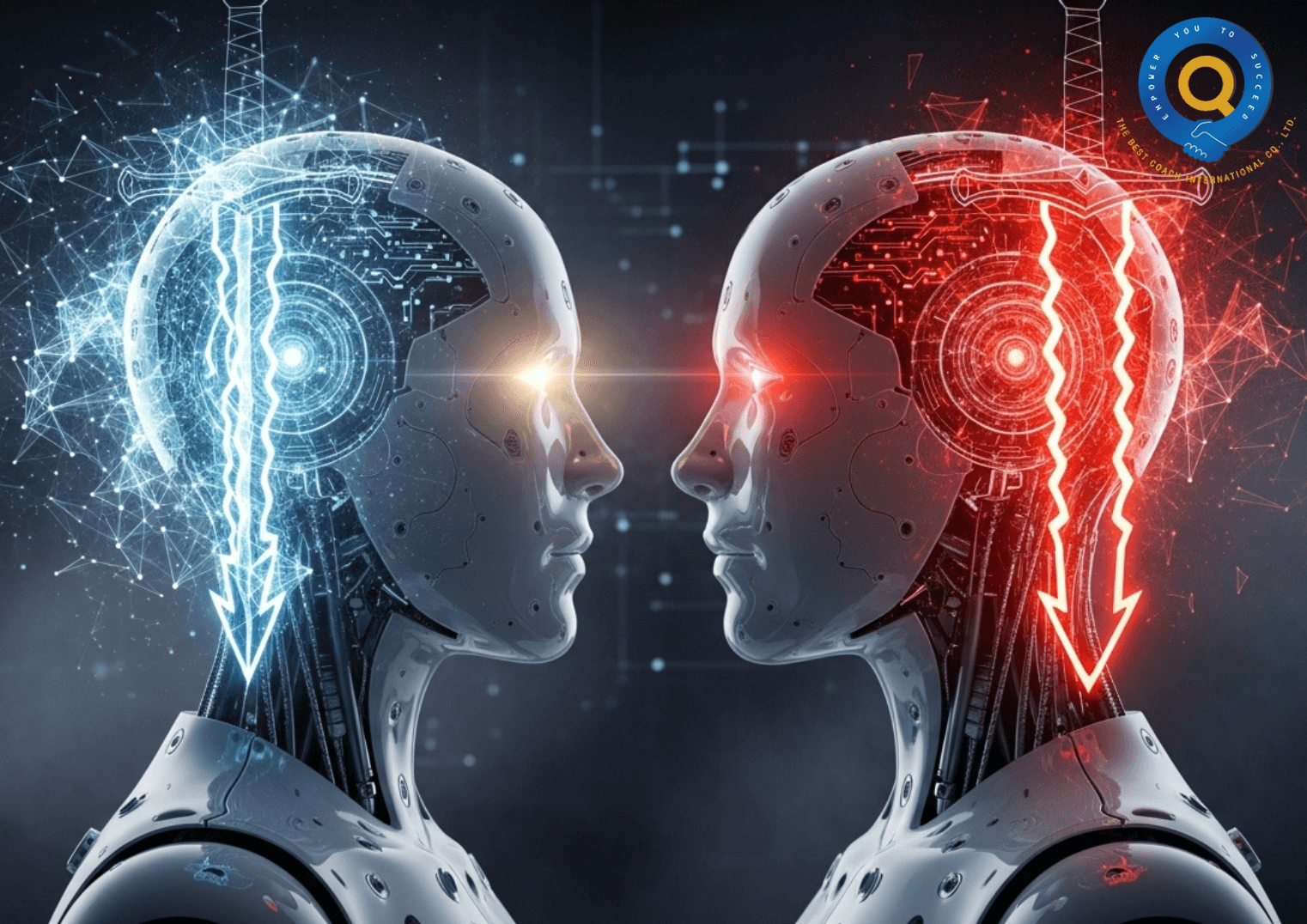
In the ever-expanding digital landscape, new technologies constantly promise solutions to complex problems. Yet, the arrival of AI-powered deepfake detection tools for the purpose of feminism introduces a classic tension: a potential double-edged sword. These systems, designed to flag or remove manipulative AI-generated media targeting women (and increasingly others), are hailed by many as a crucial step in reclaiming bodily autonomy and ending digital harassment. At the same time, the tools themselves, built with AI, risk introducing a different form of digital intrusion, fundamentally challenging privacy, often with little rhyme or reason. The path forward requires more than just technological sleight-of-hand; it demands rigorous ethical scrutiny, transparency, and a steadfast commitment to the principles feminism champions.The Mechanics: How Algorithmic Surveillance WorksUnderstanding the potential for privacy erosion requires peering beneath the surface of “just a detection tool.” At its core, a sophisticated Deepfake detection AI analyzes digital video or audio with remarkable precision. It identifies subtle inconsistencies – unnatural skin texture, minute eyebrow movements, peculiar lip-syncing anomalies – deviations from ‘authentic’ human performance that current AI models struggle to replicate consistently, yet present a significant hurdle for seamless faking.However, to identify these specific anomalies, the algorithm must be trained on vast datasets, the typical objective being to distinguish between manipulated media and genuine content. This involves learning from examples, often provided by platform flaggers or feminist groups identifying heinous deepfakes. The technical process involves complex pattern recognition, perhaps employing convolutional neural networks (CNNs) for visual analysis or recurrent neural networks (RNNs) for audio, comparing temporal consistency or spectral characteristics against expected human norms.This training data itself is a sensitive issue. To flag one form of violation, it often relies on meticulously analyzing highly personal content – intimate images, explicit depictions – often created specifically for the purpose of deception and abuse. The very data that fuels the tool, designed ostensibly to protect against its misuse (or misuse by others), is extracted from severely harmful content. This involves navigating a landscape of ethical data handling, consent (which is often absent here), and the unavoidable bias inherent in using data generated for predatory purposes to build tools for protection.
Forging Protection: How Detection Tools Can Champion Privacy (for some)The most lauded benefit of AI-powered deepfake detectors is their potential to function as a digital shield, specifically for women. They can automate the process of identifying fabricated content aimed at stealing reputations, fabricating consent, or spreading intimate imagery without consent – phenomena disproportionately affecting women. Scalability is a key advantage; human reviewers cannot possibly monitor all user-generated content on platforms like social media or news sites. An AI system, trained to recognize deepfake signatures, can potentially scan vast volumes of video and audio, flagging suspicious content for human review or automatic removal.Furthermore, these tools empower platforms to uphold community standards and combat hate speech or harassment specifically tied to non-consensual digital manipulation. By reducing the shelf life of deepfakes or making their creation demonstrably easier to trace, detection technology can act as a disincentive, raising the bar for malicious actors. For victims, the ability to have fabricated content identified and removed (or neutralized) can be a critical step in mitigating ongoing abuse or reputational damage, reclaiming a measure of control over their digital existence.Consider a scenario where an intimate deepfake is proliferating rapidly. While manual review could take hours or days, an integrated AI detection tool might instantly flag dozens of variations, cross-referencing tell-tale artifacts specific to the generator algorithm. This swift action can significantly curtail the reach and harm of the abusive content, offering a crucial sliver of privacy and protection previously unavailable at scale.The Dark Reflection: How the Sword’s Edge Can Sharpen on PrivacyThe seductive promise of enhanced detection comes with a stark, often overlooked counterpoint: the very tools tasked with exposing deepfakes operate by intruding upon the digital realm with unprecedented levels of surveillance and analysis. Every pixel, every frame, every audio sample becomes data points for increasingly powerful pattern-matching algorithms.Consider the necessity for the AI to function offline or on-device where possible. Training models directly on the uploaded, highly sensitive content is not only ethically complex but operationally risky. Handling this data outside the user’s device introduces new vectors for privacy breaches. Data minimization is crucial, but the algorithm still needs sufficient information to analyze the content effectively. This involves transmitting raw or near-raw video/audio data, raising concerns about interception or platform-level scraping by other entities, including advertisers or surveillance apparatus.Moreover, detection systems, particularly those designed to tackle the pervasive and often gendered problem of intimate image abuse, risk operating under the tyranny of suspicion. A specific set of visual or audio characteristics flagged by the algorithm as potentially ‘fake’ might inadvertently sweep up legitimate, albeit unusual, content. A person with unique facial structure or skin conditions, for instance, might consistently trigger the detector, casting doubt on their genuine media. This ‘false positive’ problem is magnified when the system is biased – a common pitfall with AI, especially trained on datasets reflecting existing societal biases, often amplified by feminist activists fighting specific forms of abuse.