In the sprawling tapestry of labor history, domestic workers have often been the invisible threads—vital yet unrewarded, hidden in plain sight. These women, the unsung midwives of daily survival, have long endured the shadowed room of economic and social invisibility. Yet their journey through the annals of feminism and labor organizing is not merely a footnote; it is a riveting saga of resilience, reclamation, and revolution. Like phoenixes rising from the ashes of oppression, domestic workers’ rights movements have rewritten the narrative, challenging systemic erasure with fierce solidarity and unapologetic defiance.
The Veiled Backbone: Why Domestic Workers Were Historically Invisible
For centuries, domestic work was perceived as an ethereal labor—less a job, more a calling, bound by threads of race, gender, and class that rendered it untouchable by mainstream labor protections. This invisibility cloak was not just societal oversight but a deliberate armor crafted by power structures to sustain exploitation. Domestic workers tended to the private spheres—homes, intimate spaces—where their labor was intimate but undervalued, invisible yet indispensable.
The intersection of race and gender compounded their invisibility. Historically, domestic work was racialized labor—Black, Indigenous, and women of color formed the majority of this clandestine workforce. This intersectionality served as a double-edged sword, amplifying their marginalization but also becoming a poignant rallying cry in feminist labor movements. Their bodies became battlegrounds where systemic racism and sexism intersected, making their fight for recognition a far more complex endeavor than for other labor sectors.
The Dawn of Consciousness: Feminism Meets Labor Organizing
The initial waves of feminism often sidelined domestic workers, entangling them in a paradox where advocacy prioritized middle-class white women’s labor rights while domestic workers remained a peripheral afterthought. However, the confluence of grassroots activism and evolving feminist thought began to unravel this exclusion. Domestic workers became emblematic of the crucial shift toward an intersectional feminism, one that acknowledged class and race as critical axes of oppression.
From the late 20th century, domestic workers began forging their own paths—organizing unions, creating advocacy networks, and demanding labor protections tailored to their unique conditions. The synergy between feminist ideologies and labor organizing strategies knitted a powerful tapestry of resistance. It was here that the adage “the personal is political” transcended rhetoric, becoming a clarion call for visibility and rights within the most personal of spaces—the home.
The Metamorphosis of Organizing: From Isolated Struggles to Collective Power
The journey from isolation to collective empowerment is perhaps the most captivating chapter of domestic workers’ rights history. Traditionally stationed in fragmented, individualized workplaces—the homes of their employers—these workers faced the formidable challenge of collectivizing labor inherently designed to be solitary and invisible.
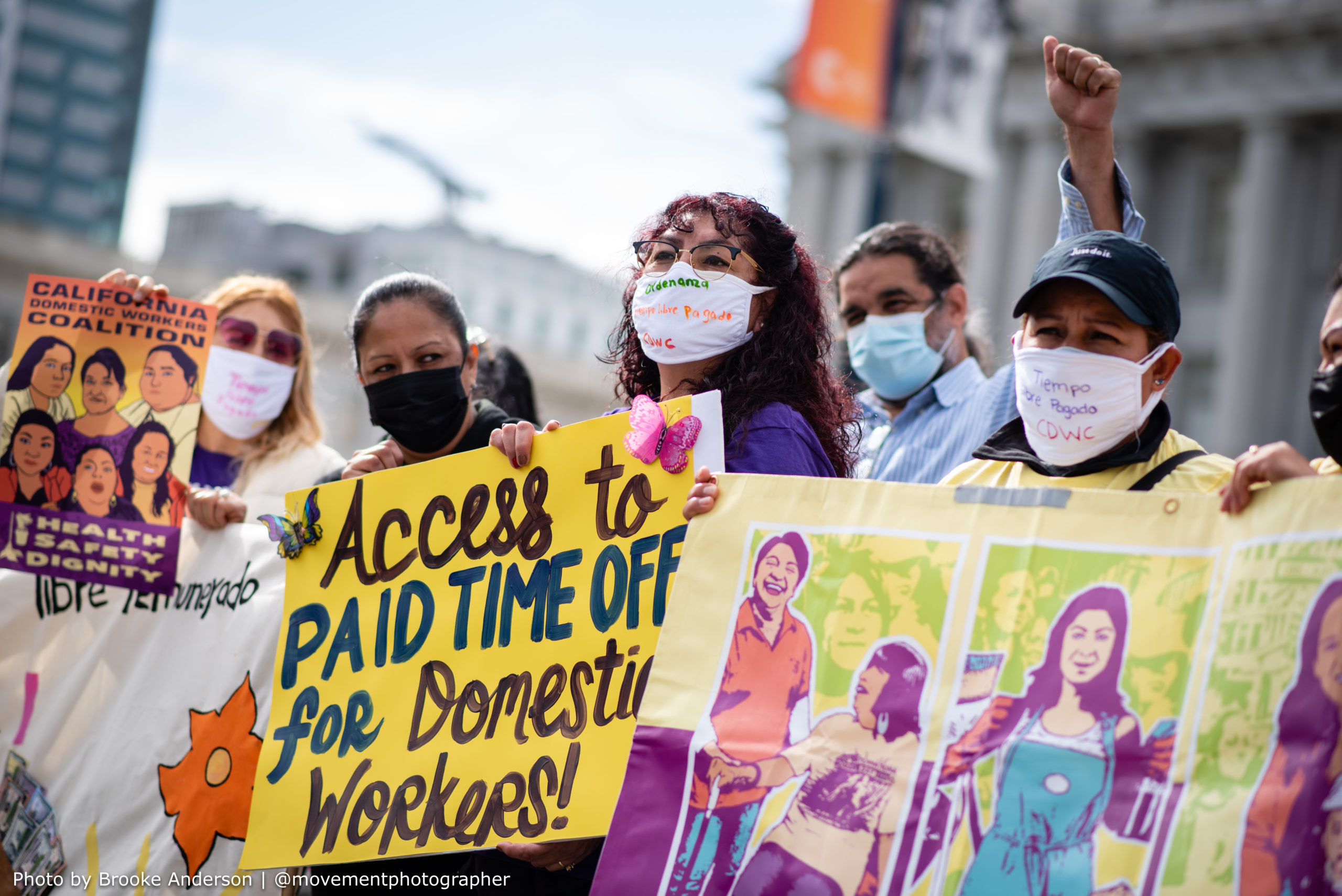
Yet, like masterful alchemists, domestic workers transformed precariousness into power. Through innovative organizing strategies, including community-based alliances, coalition-building with labor unions, and leveraging digital platforms, they forged a shared identity. This metamorphosis illuminates the ingenuity required to create solidarity in spaces designed to suppress it. The domestic worker became not just a laborer but a labor organizer, a symbol of grassroots insurgency and feminist defiance.
The Legal Battleground: Struggles and Triumphs in Pursuing Rights
The push for legal recognition and protections exposed the fraught relationship between domestic labor and legislative frameworks. For decades, exclusionary policies embedded in labor laws echoed systemic denial of domestic workers’ rights to fair wages, decent working hours, and protection from abuse. Their legal invisibility mirrored social invisibility, perpetuating cycles of exploitation.
Yet mounting pressure from organized domestic worker movements disrupted prevailing legal paradigms. Landmark victories, such as the recognition of domestic work as formal employment eligible for labor protections, were hard-won through relentless advocacy and public awareness campaigns. These legal battles underscore a broader feminist quest—not only for legal equality but for the dismantling of cultural myths that have long devalued women’s labor within private spheres.
Global Resonances: The Transnational Feminist Labor Movement
The struggle for domestic workers’ rights transcends borders, reflecting a shared global narrative of gendered labor exploitation. Migrant domestic workers, in particular, embody the intersection of global capitalism, patriarchy, and xenophobia. Their narratives amplify the urgency for a transnational feminist labor movement that recognizes labor mobility as both a source of vulnerability and strength.
This global movement stitches together diverse struggles—from Latin America to Asia, Africa to Europe—highlighting the universality of demands for dignity, equity, and justice. The international solidarity forged among domestic workers connects localized battles to a broader push against neoliberal systems that commodify care and domestic labor. These transnational linkages elevate domestic workers’ rights from isolated issues to a reimagining of global labor justice within feminist praxis.
The Contemporary Landscape: Challenges and Continuing Resistance
Despite significant advancements, domestic workers continue to confront unprecedented challenges. The gig economy’s rise, precarious immigration policies, and persistent social stigmas complicate the landscape. Yet, domestic workers continue to rally—refusing erasure and demanding a future where their labor is recognized not just as work, but as foundational to social and economic wellbeing.
Their ongoing resistance is a testament to the enduring power of feminist labor organizing. It signals an unyielding refusal to accept invisibility and calls for a transformative reckoning with how care labor fuels societies. Domestic workers’ movements compel us to reconsider traditional conceptions of work, justice, and equality in ways that reverberate far beyond the walls of any single home.
Conclusion: Reweaving the Fabric of Feminist Labor History
The history of domestic workers’ rights within feminism and labor organizing is a vibrant, pulsating thread in the broader narrative of social justice. It demands a recalibration of the labor movement’s compass—one that fully integrates the care work often relegated to the shadows. These courageous women challenge entrenched ideologies and reconstruct labor’s meaning, transforming the intimate spaces of domesticity into arenas of political struggle.
To witness the journey of domestic workers is to see feminism in its most raw and potent form: unyielding, inclusively powerful, and radically transformative. With every step taken toward labor dignity, they unravel layers of systemic exclusion and sew a richer, more equitable tapestry for generations to come.