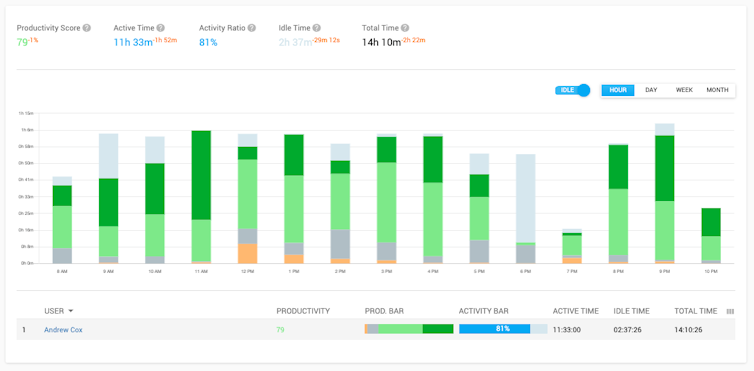
What if the very tools designed to boost workplace productivity end up shackling the freedoms they claim to champion? In a world increasingly obsessed with quantifying efficiency, feminism faces an unexpected adversary: the rise of bossware and its insidious surveillance, especially when intertwined with the intimate rhythms of motherhood such as breast pump breaks. Could the pursuit of productivity unwittingly erode the hard-won liberties of women in the workforce?
The Specter of Bossware: Surveillance Under the Guise of Efficiency
Bossware — a neologism that conjures images of intrusive digital overseers — is not merely software. It represents a paradigm shift, metamorphosing modern workplaces into panopticons. Cameras, keystroke loggers, screen trackers, and incessant activity monitors punctuate the day of the worker like a relentless metronome counting every move, every pause. On the surface, this technology promises clarity and accountability. Yet beneath its glossy veneer lies a mechanized colonization of personal autonomy.
For women — particularly those juggling professional aspirations with reproductive realities — bossware’s invasive gaze transcends mere productivity. It transforms the workplace into a cold arena where breaks become liabilities and personal needs are commodified into suspicious downtime. The irony? A system touting fairness and performance often deepens inequities, especially when it disregards nuanced needs such as lactation or caregiving.
The Feminist Quandary: Reclaiming Autonomy Amid Digital Scrutiny
Feminism, long centered on bodily autonomy and workplace equality, confronts an ephemeral enemy in surveillance capitalism. Where feminist victories harbor the promise of control over one’s body and choices, bossware erects barriers—micromanaging time with an unyielding eye and reducing nuanced human experience to binary metrics. Mothers who pump breast milk face a treacherous paradox: the biological necessity for breaks versus the digital imperative of uninterrupted engagement.
These interruptions, though brief and vital, are often misconstrued as productivity drains, morphing maternal care into a professional risk. It is here that feminism encounters a formidable challenge — negotiating spaces where technology’s cold logic conflicts with the warm realities of motherhood. Advocating for equality means more than equal hours; it demands recognition of difference without penalizing it.
Breast Pump Breaks: The Invisible Strain Behind the Surveillance Curtain
Lactation is a deeply personal yet universally natural process, yet the modern workplace’s attitude toward breast pump breaks oscillates between reluctant accommodation and overt distrust. Bossware injects an added layer of complexity by quantifying these biological rhythms as downtime. The result is a chilling effect — mothers feel compelled to sacrifice wellness and silence their needs to sidestep digital scrutiny.
Far from a trivial issue, this dynamic echoes broader systemic concerns: how capitalist productivity frameworks inadequately account for embodied experiences, especially those of women. When technology turns breaks into blemishes on a performance record, it not only undermines health but also perpetuates a culture of invisibility around reproductive labor.
Worker Surveillance and the Erosion of Trust
Trust — that fragile cornerstone of workplace culture — crumbles under the weight of constant monitoring. Bossware’s omnipresence fosters suspicion rather than solidarity, pitting employees against algorithms and management. For women juggling multifaceted roles, this mistrust compounds stress and anxiety, diminishing overall well-being and creativity.
Instead of fostering empowerment, this mechanistic oversight molds workers into data points, erasing context and empathy. Feminism advocates for environments where individuals can thrive authentically, yet pervasive surveillance curtails freedom by transforming human behavior into controllable metrics. The workplace becomes less a community and more a digital cage.
Productivity Metrics: Quantification vs. Quality
The obsession with numerical productivity overlooks the qualitative essence of work, particularly for women navigating systemic barriers. Bossware’s reductionist data captures only fragments of effort, undervaluing the cognitive labor of mental multitasking, emotional intelligence, and caregiving responsibilities. Breast pump breaks, brief pauses in output graphs, belie the sustained endurance and resilience woven into a woman’s daily work.
This fixation on numbers not only distorts reality but also homogenizes diverse experiences. Feminism calls for recognition of multifarious contributions beyond visible outputs. Productivity should encompass humane pacing, wellness, and equity—not relentless surveillance and reductive analytics.
Voices of Resistance: Feminist Pushback Against Digital Domination
Amid the creeping encroachment of bossware, a chorus of feminist voices rises in defiance. Advocates demand technologies that honor dignity and differentiate rather than police gendered realities. Calls for flexible scheduling, protected lactation spaces, and surveillance transparency reflect a broader yearning for workplace justice.
Furthermore, reimagining productivity as holistic well-being invites dismantling entrenched power dynamics intrinsic to surveillance culture. Feminism envisions a future where technology amplifies human potential instead of imprisoning it — where breast pump breaks are respected rituals, not criminalized distractions.
Conclusion: Navigating the Productivity Surveillance Trap
Is bossware a necessary evolution or a dystopian regression? Feminism challenges us to untangle this paradox, urging a vigilant interrogation of how surveillance technologies reshape gender dynamics. The intersection of surveillance, motherhood, and productivity reveals fissures in contemporary work culture that demand urgent redress.
Championing autonomy means forging spaces where biology and labor coexist without surveillance-induced stigma. It means acknowledging that productivity is not a monolith but a symphony of diverse human rhythms — and that honoring those rhythms benefits not just individuals, but the collective fabric of work itself. The productivity surveillance trap is real, but so too is the power to dismantle it.