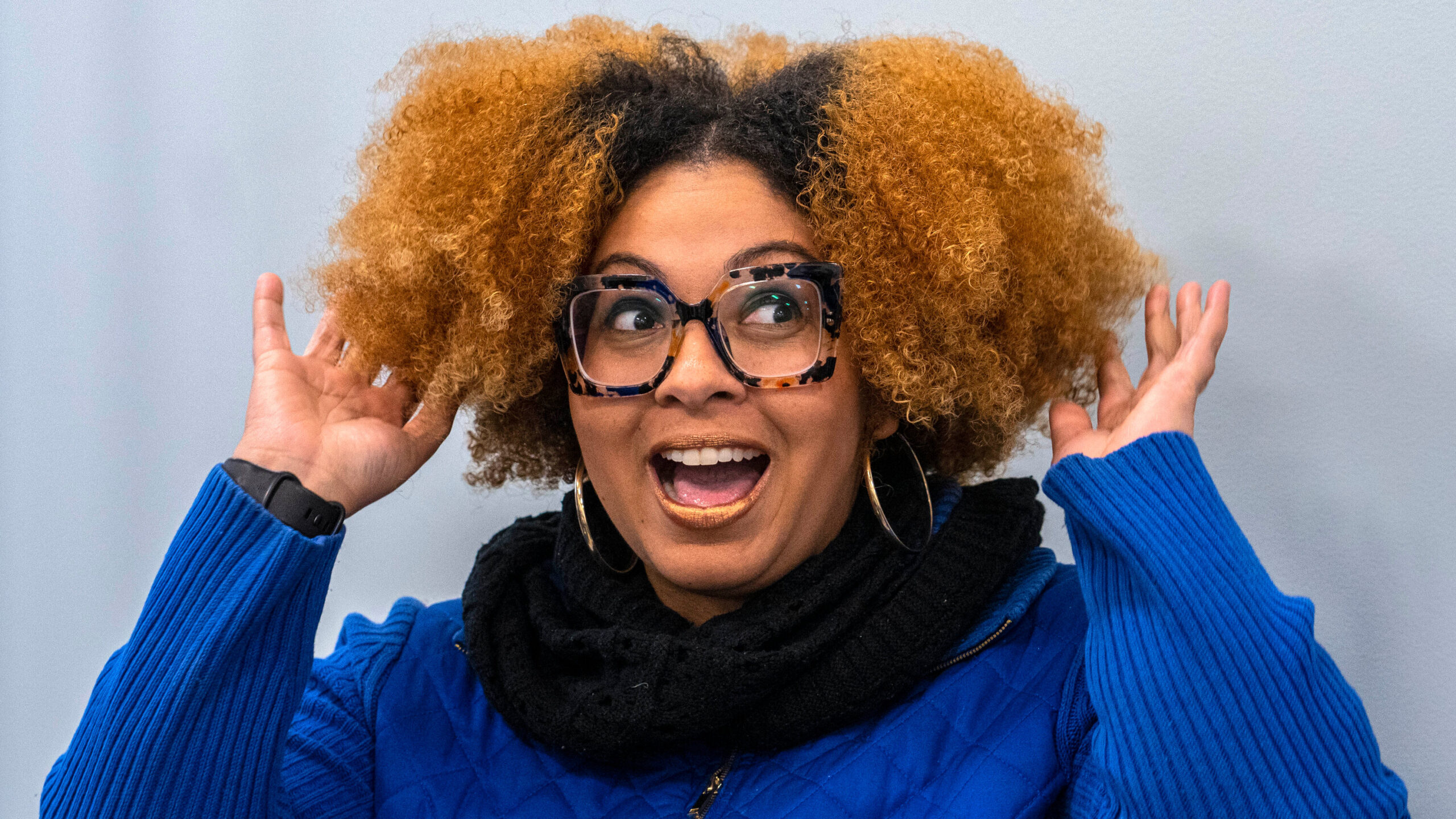
Is hair just hair, or could it be the battleground where centuries-old prejudices masquerade as personal style? When Black women pick out a hairstyle, are they simply expressing individuality, or are they navigating a complex web of socio-political forces that decide whether their hair is deemed “professional,” “acceptable,” or “radical”? The interrogation of Black women’s hair transcends mere aesthetic preference—it’s a site of cultural identity, defiance, and, yes, oppression. Enter the Crown Act, a legislative beacon attempting to crown natural hair with dignity, but does this legal armor fully shield against the pervasive politics entwined around Black hair? Let’s unravel the strands of history, culture, and resistance that define this fierce arena of feminism.
The Enigmatic Politics of Black Women’s Hair
The history of Black women’s hair isn’t just a timeline of styles—it’s a narrative embedded in the violent legacy of enslavement, colonization, and systemic exclusion. Hair, for Black women, is neither trivial nor merely decorative; it functions as a symbol of identity and racial pride. Yet, paradoxically, it has also been weaponized as a justification for discrimination. To the untrained eye, a twist, a braid, or an afro might seem inconsequential. To the institutionally biased eye, it can signify “unprofessionalism,” “rebellion,” or even “threat.” This dichotomy exposes an ablative cultural tension where the natural becomes inherently political.
The idea that Black hair needs taming is rooted in Eurocentric beauty ideologies that have historically marginalized natural textures. Straightened hair, relaxed edges, and wigs have often been worn not purely by choice but as armor to assimilate and survive within oppressive professional and social climates. This assimilation, however, implicates a painful detachment from cultural roots, while the natural hair movement insists upon reclaiming these roots as a proud declaration of identity.
Feminism Entwined with Hair
Is feminism capable of addressing the specificities of hair politics? Traditional feminist movements have often glossed over the unique intersecting oppressions Black women face. Hair, as a feminist issue, challenges the sometimes monolithic narratives about womanhood and beauty standards that have centered primarily around white experiences. Black feminist thought introduces hair as a potent feminist site—one that contests capitalist commodification, racial hierarchies, and patriarchal control. It’s female autonomy writ large, right down to the follicle.
By embracing natural hair, Black women assert control over their bodies and narratives. They resist a homogenizing gaze that would prefer a singular conception of professionalism and beauty. However, this act of defiance is not without cost. Employment discrimination and societal censure persist, bludgeoning attempts to normalize Black hair with threats of invisibility and economic marginalization.
The Crown Act: Legal Salve or Symbolic Gesture?
Whose hair does the law protect? The Crown Act—short for “Creating a Respectful and Open World for Natural Hair”—aims to prohibit discrimination based on natural hairstyles such as braids, locs, twists, and afros. This legislation marks a pivotal step in recognizing Black hair as more than a lifestyle choice, but as an intrinsic facet of racial identity.
Yet, the law’s enactment ignites more questions than it resolves. Can a statute effectively dismantle ingrained prejudices and cultural conditioning? The Crown Act mandates tolerance, yet it cannot mandate empathy. Its protective shield is legal, but racism embedded in societal consciousness requires ongoing, nuanced cultural shifts. Moreover, the Act challenges employers and institutions, forcing them to confront their biases—whether overt or subtle—in dress codes and grooming policies.
The challenge persists: How to enforce equality without falling into tokenism or performative allyship? The law’s language empowers, but transformation requires persistent activism and education, both within and beyond legislative chambers.
Corporate America and the Commercialization of Black Hair
Is it possible that the very forces commodifying Black hair are simultaneously gatekeepers of its acceptance? Corporations have long profited from the Black hair industry—an industry valued at billions worldwide—while historically ignoring or exploiting the cultural significance behind hairstyles. The rise of inclusive hair care lines and advertising may seem like justice served, but the line between cultural appreciation and exploitation is perilously thin.
Behind glossy campaigns lies a corporate calculus: profit meets performative allyship. The challenge is discerning genuine corporate accountability from opportunistic marketing. Black women’s hair has become a lucrative narrative, yet economic inclusion for Black entrepreneurs and equitable representation remain elusive. The tension between capitalism and cultural integrity fuels ongoing debates about authenticity and ownership within the hair space.
The Cultural Renaissance of Natural Hair and Identity
Amidst oppression and commodification, a cultural renaissance blooms. The natural hair movement is more than an aesthetic resurgence—it’s a revolutionary act of cultural reclamation. Social media has become a roaring choir where Black women uplift each other, share styling tips, and rewrite narratives of beauty on their own terms.
This renewed embrace of natural textures chisels away at damaging stereotypes while nurturing self-love and communal solidarity. The act of wearing an afro or braids is a declaration: pride in heritage, rejection of imposed norms, and an invitation for society to see Black beauty in all its forms. Feminism’s intersectionality is vividly embodied here—where race, gender, and identity converge in the conversation about hair.
Looking Beyond Legislation: Toward Lasting Liberation
The Crown Act is a formidable milestone, but liberation from hair oppression demands more. Education, cultural sensitivity training, and broader societal shifts are essential components. Schools and workplaces must evolve beyond mere compliance, fostering environments where Black hair is not merely tolerated, but celebrated. This transformation requires us all to confront unspoken biases and dismantle the frameworks that uphold racial hierarchies.
Ultimately, the politics of Black women’s hair reflect broader battles against systemic inequities. Each braid untangled is a thread in the tapestry of justice. The question persists: Can society crown Black hair as it deserves, or will it continue to define it by Eurocentric standards that fracture identity and oppress femininity? The answer lies not just in law or policy, but in collective willingness to rethink beauty, power, and respect—strand by fearless strand.