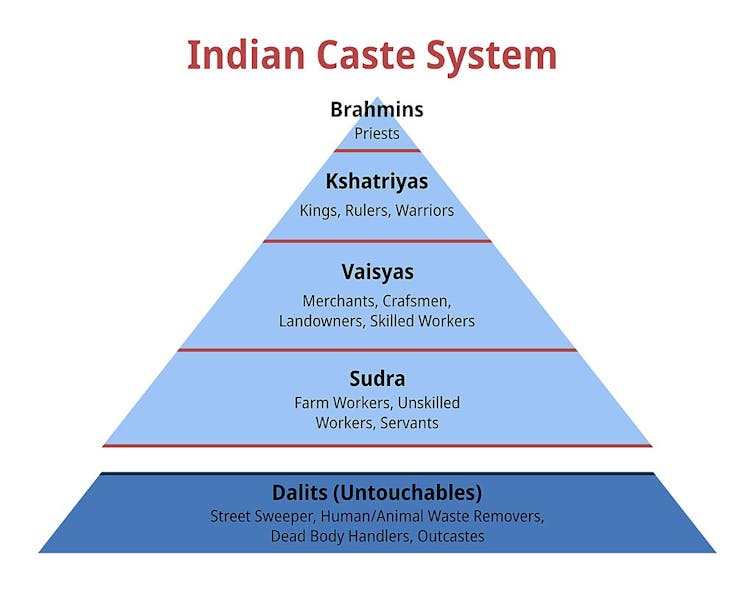
Feminism in India is a multi-layered battle, but when it intersects with caste, the struggle becomes exponentially complex and visceral. Dalit feminism is not just a subset of the feminist movement; it is a robust, confrontational, and necessary upheaval against two towering oppressions: caste annihilation and gendered violence. The stories, voices, and experiences of Dalit women shatter sanitized narratives of Indian feminism, demanding recognition that liberation cannot be achieved without tearing down both the patriarchy and caste hierarchy simultaneously.
The Anatomy of Dalit Oppression: Caste and Gender Intertwined
Dalit women inhabit the crossroads of systemic brutality where caste discrimination converges with patriarchal subjugation. Unlike upper-caste women who may wrestle with gender-based prejudice alone, Dalit women endure a compounded oppression that punctuates daily existence. Caste annihilation for Dalit feminists is a clarion call to eradicate the foundational social stratification that traps millions in cyclical violence and deprivation. Gendered violence becomes inseparable from caste violence—the former often perpetrated domestically, and the latter inflicted publicly to reinforce social inferiority.
The infamy of caste-based atrocities—forced labor, social ostracism, denial of basic rights—is further exacerbated by violence against Dalit women who are disproportionately targeted for sexual abuse, domestic exploitation, and state apathy. These abuses are not anomalies but systemic, wielded as instruments to maintain hierarchical dominance. Dalit feminism insists on framing these violences not as isolated incidents but as intentional mechanisms of social control.
Reclaiming Narrative: The Voice of Dalit Feminist Resistance
To engage with Dalit feminism is to confront uncomfortable truths that mainstream feminism has historically sidestepped. Dalit feminists refuse invisibility; they demand their stories be central, not peripheral. This reclamation of narrative challenges both dominant patriarchal ideologies and caste privileges embedded within feminist discourse. They recount raw personal testimonies of pain, resilience, and revolt which illuminate the depths of intersectional subjugation.
Their literature, poetry, and art are raging manifestos. The narrative rejects sanitized victimhood and instead asserts agency, articulating a fierce determination to dismantle oppressive structures. Dalit women’s activism is as much about societal transformation as it is about cultural and ideological renegotiation—redefining identity beyond caste-imposed limitations.
Legal Battles and the State: The Ambivalent Ally
One of the most contentious arenas for Dalit feminism resides within the corridors of law and governance. The Indian constitution guarantees protection against caste-based discrimination, yet legislative frameworks often falter in addressing the nuanced realities faced by Dalit women. The justice system frequently becomes a labyrinthine struggle, exacerbating their marginalization instead of providing solace.
Dalit feminists critique the state’s selective enforcement and frequent complicity in perpetuating caste oppression. The gap between legal protections and ground realities sharpens the urgency for systemic overhaul. Movements advocating for stronger anti-atrocity laws, affirmative action, and gender-sensitive legal reforms gain momentum but remain mired in bureaucratic inertia and political indifference.
Community Challenges: Internal Patriarchy and Social Stigma
Dalit feminism must negotiate daunting challenges within their own communities—internal patriarchal norms and social stigma that complicate feminist agendas. While Dalit men engage in caste-based activism, the gender inequalities within these communities often remain unexplored or unaddressed. Patriarchy operates even in marginalized groups, making the feminist struggle a dual inside-and-outside endeavor.
The tension between caste solidarity and gender justice tests the endurance of collective resistance. Dalit feminists confront pushback for challenging traditional gender roles and exposing abuses perpetrated within their own social milieu. This reflexive critique complicates the unity of caste-based movements but is indispensable for authentic emancipation.
Global Resonances: Dalit Feminism Beyond Borders
Dalit feminism’s relevance and symbolism resonate beyond Indian shores, illuminating global discourses on intersectionality and social justice. The international feminist community grapples with recognizing caste as a critical axis of oppression akin to race or ethnicity. Dalit feminism transcends geography, aligning with marginalized groups worldwide confronting similar patterns of caste-like exclusion and gendered exploitation.
Its powerful narrative invigorates global debates, demanding reconfiguration of feminist praxis to incorporate caste-aware perspectives. This transnational solidarity calls for a transformed understanding of oppression—one that does not privilege singular categories but embraces the complexity of lived realities.
Future Trajectories: Toward Emancipation and Structural Overhaul
The future of Dalit feminism lies in its radical vision for societal transformation, not mere reform. It envisions a society where caste annihilation is not euphemistic rhetoric but a lived reality—where Dalit women can exist free from violence, discrimination, and invisibility. This dream hinges on disrupting entrenched power dynamics through bold activism, education, cultural renaissance, and policy innovation.
Empowerment programs that go beyond tokenism and address economic, educational, and political disenfranchisement are critical. Equally vital is cultivating empathy and consciousness among dominant groups to dismantle prejudices at their roots. Dalit feminism’s roadmap is an intricate tapestry woven with defiance and hope, challenging every reader to confront uncomfortable realities and participate in the deconstruction of oppression.