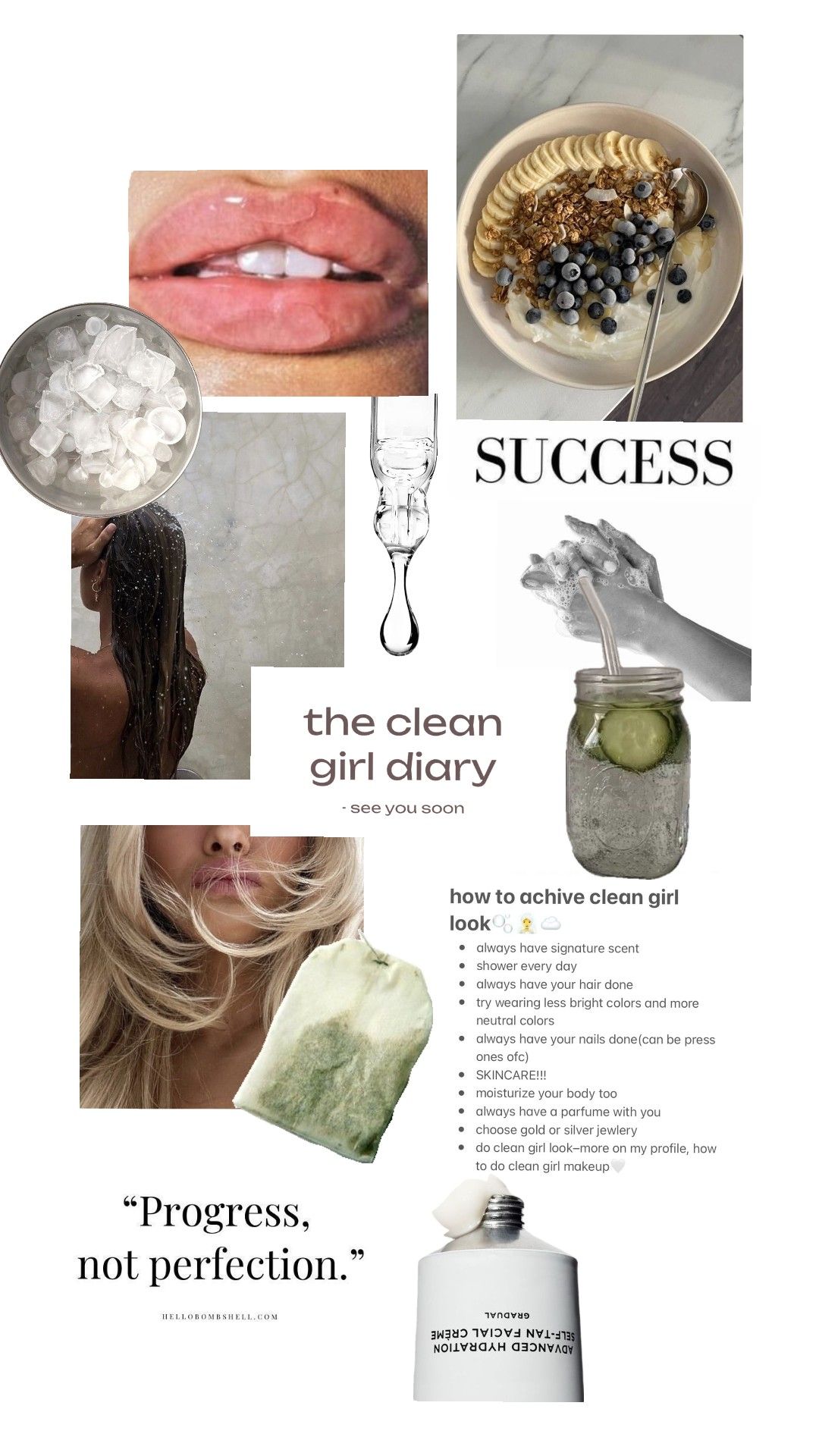
The phenomenon of the ‘clean girl’ aesthetic has swept across social and cultural landscapes with startling rapidity. Its minimalist allure and polished simplicity provide a visual antidote to the chaotic, often overwhelming nature of contemporary beauty standards. Yet, beneath its glossy surface lies a complex web of socio-political implications that warrant a deeper dissection. The fascination with this aesthetic is not merely about neatness or hygiene—it is steeped in layers of identity, privilege, and power that intersect with the modern feminist discourse. This article ventures beyond the surface gloss, addressing the intrigue while pulling back the curtain on the exclusionary tendencies masked by the ‘clean girl’ ideal.
The ‘Clean Girl’ Aesthetic: A Surface Enigma
At first glance, the ‘clean girl’ aesthetic appears innocuous, even refreshing. Characterized by slicked-back hair, minimalistic makeup, dewy skin, and neutral-toned wardrobes, it is an emblem of simplicity in a world saturated with maximalist trends. The aesthetic is a visual ode to control, order, and restrained femininity. The common observation is that such simplicity signals not just beauty, but a lifestyle ideal imbued with discipline and effortless grace. Yet, the very perfectionism it enshrines hints at a deeper societal hunger—a longing to conform to an archetype that is both sanitized and sanitized-friendly.
The Illusion of Accessibility and the Reality of Exclusion
Despite its ostensibly minimalist ethos, the ‘clean girl’ look is a heavily curated construct that remains elusive for many. Its polished veneer is forged through access to specific resources: quality skincare products not affordable to all, a lifestyle that allows for extensive self-care rituals, and even the societal acceptance of a particular racialized beauty standard predominantly aligned with Eurocentric features. This aesthetic is thus less a universal template than a gatekeeper, subtly delineating who belongs to the club of modern femininity. The narrative of effortlessness obscures the labor, privilege, and at times even the cultural erasure embedded in achieving this ideal.
Intersectionality: Unpacking the Layers of Privilege
The critique of the ‘clean girl’ aesthetic cannot be divorced from an intersectional analysis that recognizes the multifaceted nature of identity. Race, class, gender identity, and body diversity all play pivotal roles in who can embody this paradigm with ease and who is marginalized by it. For women of color, the aesthetic often clashes with culturally distinct beauty practices and can perpetuate harmful norms around skin tone and hair texture. Additionally, economic status influences access to the time and products that define the look. The unspoken implication: not everyone’s beauty is seen as clean, neat, or ‘acceptable’ under this narrow rubric. This creates a fissure between individual expression and a monocultural standard masquerading as universal.
The Feminist Paradox: Empowerment or Conformity?
Feminism, at its core, champions the dismantling of restrictive norms that confine women’s expression. Yet, the celebration of the ‘clean girl’ aesthetic seems to inhabit a paradoxical space within this struggle. It is empowering insofar as it allows some women to reclaim control over their appearance and subvert hyper-sexualization by adopting minimalism. However, it also risks reinforcing a homogenizing framework where femininity is defined narrowly, inadvertently policing women who choose to embrace messiness, boldness, or unconventional forms of beauty. The aesthetic’s rise is a testament to feminism’s ongoing tension between personal agency and societal pressure—an uneasy dance between liberation and conformity.
Media and Commercial Forces: The Architects of Aesthetic Norms
The proliferation of the ‘clean girl’ look is not organic but highly manufactured by media industries and commercial enterprises. Social media platforms amplify this trend, driven by influencers who personify the aesthetic and by brands eager to commodify neatness as a lifestyle brand. These digital echo chambers create feedback loops that reinforce the desirability of a standardized image of womanhood. The cosmetic and fashion industries wield this uniformity as a tool for profit, selectively promoting beauty ideals that bolster consumerism while cloaking exclusionary ideologies under the guise of empowerment and self-care.
The Subversion and Reclamation of ‘Clean’ Aesthetics
Despite the restrictive contours of the ‘clean girl’ aesthetic, there is potential for its subversion and reclamation. Intersectional feminists and cultural critics have begun to challenge this paradigm by broadening definitions of cleanliness, beauty, and femininity beyond sanitized norms. Embracing diverse textures, hues, and modes of self-expression disrupts the monolith of neatness and highlights the richness of embodied experience. The aesthetic thus need not be a tool of erasure but can transform into a canvas for radical difference, challenging what constitutes ‘clean’ and, ultimately, what society esteems as worthy of admiration.
Conclusion: Toward a More Inclusive Feminist Visual Culture
The allure of the ‘clean girl’ aesthetic is, in many ways, a cultural mirror reflecting broader desires for order, control, and curated identity in a fragmented world. However, its gloss cannot obscure the structural inequities that underpin its rise. Through an intersectional feminist lens, this look emerges not as a simple beauty trend but as a contested battleground where issues of race, class, gender, and power collide. The future of feminist beauty lies in dismantling singular standards and embracing multiplicity—allowing all women to define what ‘clean,’ ‘beautiful,’ and ‘feminine’ mean on their own terms. Only then can the aesthetic evolve from a limiting archetype into a liberatory practice that celebrates the complexity of womanhood in all its forms.