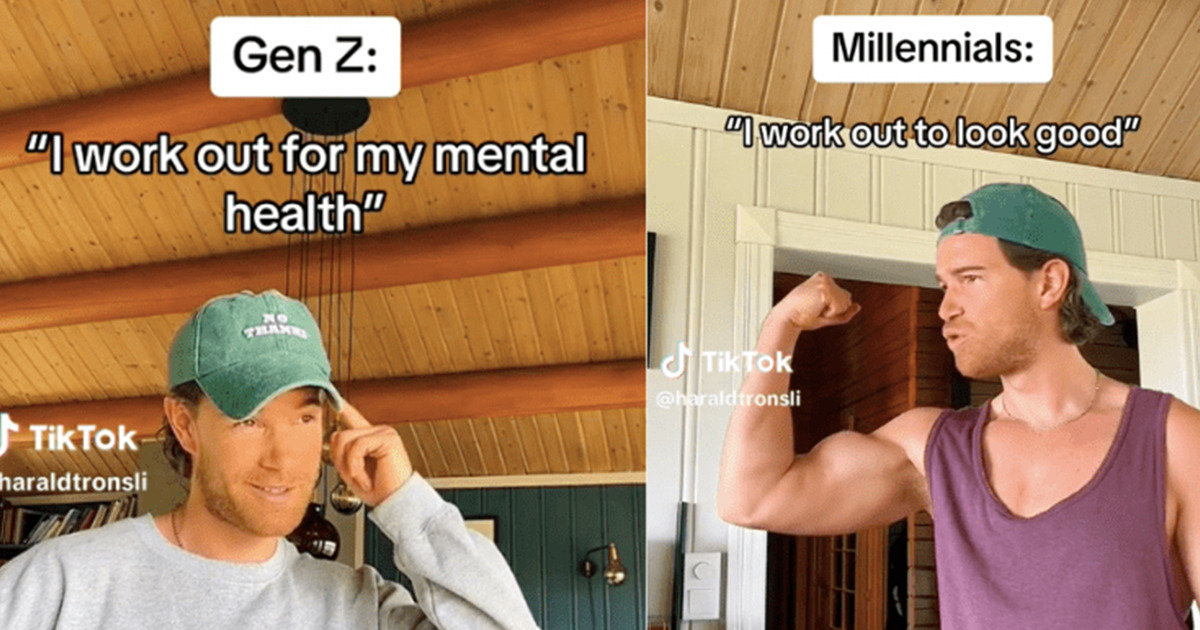
In the digital agora where opinions are currency and algorithms dictate discourse, TikTok has become the battleground for a peculiar skirmish: the Gen Z vs. Millennial feminism wars. Scroll through the comments, and you’ll find it—a relentless volley of clapbacks, thinkpieces, and performative allyship, all framed as generational conflict. But is this a genuine ideological rift, or merely the latest iteration of platform bait, where outrage is monetized and solidarity is commodified? The question isn’t just playful; it’s a provocation, one that forces us to interrogate whether these clashes are rooted in material differences or if they’re the digital equivalent of a reality TV feud, designed to keep us scrolling, snapping, and subscribing.
The Specter of Generational Feminism: A Construct or a Crisis?
Feminism, like all movements, is not monolithic. It fractures, evolves, and adapts—or so we’re told. But on TikTok, the fractures feel performative, the evolution a series of viral soundbites. Gen Z feminists, armed with the lexicon of intersectionality and the armor of online activism, often dismiss Millennial feminists as “performative” or “outdated,” while Millennials retort with accusations of “call-out culture” and “performative wokeness.” The irony? Both sides are performing—just for different audiences. The real question isn’t whether these generational divides exist, but whether they’re substantive or manufactured, a way to sell books, merch, and ad revenue under the guise of ideological purity.
Consider the language: Gen Z feminists wield terms like “hierarchy of oppression” and “intersectional feminism” with the precision of a surgeon, while Millennials cling to the language of “choice feminism” and “lean-in” rhetoric. But are these linguistic differences a reflection of deeper ideological divides, or are they merely the linguistic trappings of a movement that’s been co-opted by the attention economy? The answer lies not in the words themselves, but in the power structures that shape them. Who benefits when feminism becomes a series of viral trends rather than a collective struggle?
The Algorithmic Amplification of Outrage
TikTok’s algorithm doesn’t care about nuance. It thrives on conflict, on the kind of binary thinking that reduces complex social issues into digestible, shareable morsels. A Gen Z feminist posts a rant about Millennial “white feminism,” and the algorithm rewards it with views, likes, and shares. A Millennial responds with a counter-rant about “Gen Z’s lack of historical context,” and the cycle continues. The result? A feedback loop of outrage, where the most extreme voices rise to the top, not because they’re the most informed, but because they’re the most engaging.
This isn’t to say that generational differences don’t exist. Of course they do. But on TikTok, these differences are exaggerated, weaponized, and repackaged as content. The platform doesn’t just reflect generational tensions; it manufactures them, turning what could be a productive dialogue into a spectacle. And in doing so, it distracts from the real issues: the systemic barriers that feminism seeks to dismantle, the material conditions that shape our lives, and the ways in which capitalism has co-opted even our most radical movements.
The Commodification of Feminist Discourse
Feminism has always been a target for commodification, but TikTok takes it to a new level. Brands sell “feminist” merchandise, influencers monetize their activism, and the line between genuine advocacy and performative allyship blurs into oblivion. The Gen Z vs. Millennial feminism wars are, in many ways, the perfect storm for this kind of exploitation. They provide endless content, endless outrage, and endless opportunities for engagement. The more the two sides clash, the more the algorithm rewards them—and the more brands and influencers profit.
But what happens when feminism becomes a product? When the most radical voices are the ones with the largest followings, the most sponsored posts, the most lucrative deals? The answer is simple: it loses its teeth. It becomes a brand, not a movement. And in the process, the real work of feminism—challenging power structures, dismantling oppression, and creating a more equitable world—gets lost in the noise.
The Illusion of Progress: Are We Really Moving Forward?
One of the most insidious aspects of the Gen Z vs. Millennial feminism wars is the way they create the illusion of progress. By framing the debate as a generational one, we’re led to believe that each side is pushing the movement forward in its own way. But is that really the case? Or are we just spinning our wheels, trapped in a cycle of performative activism and algorithmic outrage?
Consider the issues that matter most to feminists today: reproductive rights, economic justice, racial equity, LGBTQ+ rights. Are these issues being addressed in a meaningful way on TikTok? Or are they reduced to soundbites, memes, and viral challenges? The answer, unfortunately, is the latter. The real work of feminism—the kind that requires time, resources, and collective action—is happening offline, in community organizing, in policy advocacy, in the slow, unglamorous work of building a better world. And yet, it’s the performative clashes of TikTok that dominate the discourse, leaving us with the hollow satisfaction of having “done our part” by watching a 60-second video.
The Way Forward: Beyond the TikTok Feud
So where do we go from here? How do we break free from the cycle of algorithmic outrage and reclaim feminism as a movement of substance? The answer isn’t to abandon TikTok or dismiss the generational divides that exist. It’s to recognize them for what they are: a distraction from the real work that needs to be done.
The first step is to reject the binary thinking that pits Gen Z against Millennials. Feminism isn’t a zero-sum game. It’s a collective struggle, one that requires solidarity across generations, not performative clashes for the sake of engagement. The second step is to demand better from the platforms that shape our discourse. TikTok, Instagram, and the rest of the social media landscape aren’t neutral. They’re designed to keep us scrolling, snapping, and consuming. It’s up to us to push back, to demand platforms that prioritize depth over engagement, substance over spectacle.
And finally, we need to remember that feminism isn’t a trend. It’s not a hashtag, a meme, or a viral soundbite. It’s a lifelong commitment to justice, equity, and liberation. The real work happens offline, in the communities we build, the policies we advocate for, and the world we fight to create. The Gen Z vs. Millennial feminism wars might be entertaining, but they’re not the revolution. The revolution is in the quiet, unglamorous work of building a better world—one that transcends the algorithms, the outrage, and the performative clashes of the digital age.