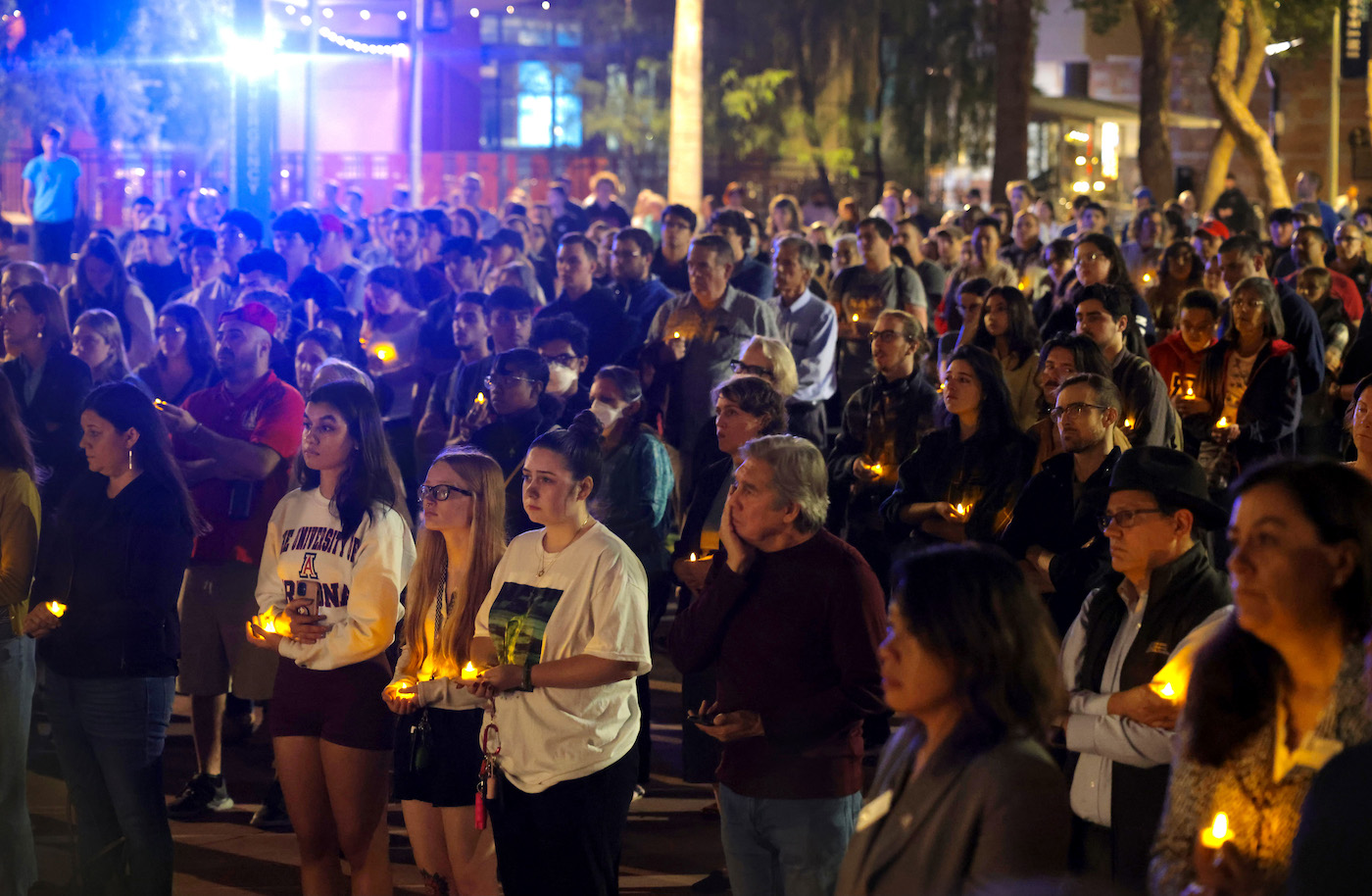
In an era where digital spaces have become as vital as physical ones, the act of mourning and remembrance has transcended the boundaries of candlelit vigils and marble headstones. The virtual vigil—a solemn, collective gathering in the digital ether—has emerged as a powerful tool for honoring women whose lives were cut short by violence, neglect, or systemic oppression. These online memorials are not mere repositories of grief; they are living, breathing spaces where solidarity is forged, stories are reclaimed, and the erasure of marginalized voices is fiercely contested. As we navigate a world where the internet both amplifies and obscures injustice, these digital vigils serve as a defiant counter-narrative to the silence imposed by patriarchal structures.
The Digital Mausoleum: Where Memory Meets Activism
Virtual vigils function as modern-day mausoleums, but instead of cold stone and engraved epitaphs, they are constructed from pixels, hashtags, and shared sorrow. These spaces are meticulously curated, often featuring multimedia tributes—photographs of the departed, video testimonials from loved ones, and written eulogies that refuse to let their stories fade into obscurity. The digital mausoleum is not passive; it is a site of active remembrance, where every click, share, and comment becomes an act of resistance against the erasure of women’s lives. Unlike traditional memorials, which can be confined to a single location, these online spaces are accessible across time zones, languages, and cultures, ensuring that no woman’s death is mourned in isolation.
Hashtag Mourning: The Alchemy of Grief and Virality
Few phenomena have revolutionized collective mourning quite like the hashtag. A single word or phrase, prefixed by the pound sign, can transform personal grief into a global movement. #SayHerName, #NiUnaMenos, and #MeToo are not just trends—they are digital incantations that summon the specters of women who were silenced. These hashtags do more than aggregate statistics; they humanize the faceless. When a woman’s name trends, her story is no longer confined to a police report or a forgotten obituary. Instead, it becomes a rallying cry, a demand for justice, and a testament to the fact that her life mattered. The alchemy of grief and virality lies in this transformation: sorrow becomes solidarity, and mourning becomes a form of protest.
Yet, the power of hashtag mourning is not without its contradictions. The same algorithms that amplify these movements can also commodify them, reducing profound loss to a fleeting moment of online engagement. The challenge, then, is to ensure that these digital vigils do not become performative displays of solidarity but remain spaces where real change is demanded. The hashtag must be more than a trend—it must be a catalyst for action.
Interactive Eulogies: The Art of Digital Storytelling
Traditional eulogies are delivered in hushed tones, their words carried on the air before dissipating into silence. Digital eulogies, however, are interactive, participatory, and often collaborative. Platforms like Instagram, TikTok, and even dedicated memorial websites allow users to contribute their own memories, poems, or artwork in honor of the departed. These eulogies are not static; they evolve with each new contribution, creating a tapestry of voices that refuses to let the woman’s story be told by a single narrator.
Consider the case of a woman whose life was reduced to a single line in a news report. In a digital vigil, her story might be reconstructed through a series of Instagram posts—each one a fragment of her life, shared by friends, family, and even strangers who feel compelled to bear witness. A TikTok video might capture the cadence of her laughter, while a poem shared on Twitter could articulate the void her absence leaves behind. These interactive eulogies are not just tributes; they are acts of defiance against the narratives that seek to diminish women’s lives to mere statistics.
The Archive of Absence: Preserving What Was Erased
Every woman who is murdered, forgotten, or erased leaves behind an absence—a void that reverberates through the lives of those who loved her. Digital vigils serve as archives of these absences, preserving not just the facts of their lives but the emotional weight of their loss. Unlike physical archives, which can be destroyed or neglected, digital spaces are resilient. They can be backed up, shared, and accessed by future generations, ensuring that the stories of these women are not lost to time.
These archives are not merely collections of data; they are living documents that challenge the dominant historical narratives. By centering the stories of women who were marginalized in life, these digital vigils force society to confront the systemic forces that led to their deaths. They ask uncomfortable questions: Why was this woman forgotten? Who failed to protect her? What structures of power allowed her erasure? In doing so, they transform mourning into a form of activism, demanding accountability from those who would prefer to look away.
Virtual Candlelight: The Illusion of Comfort in Digital Spaces
There is a paradox inherent in virtual vigils: they offer the illusion of comfort while simultaneously confronting us with the harsh realities of loss. The digital equivalent of a candlelight vigil—a shared moment of silence, a virtual flame that flickers across screens—can feel strangely soothing. It is a reminder that we are not alone in our grief, that others share in our sorrow. Yet, this comfort is not without its shadows. The same screens that bring us together can also distance us from the raw, unfiltered reality of violence against women. The challenge is to hold both truths simultaneously: the solace of collective mourning and the urgency of justice.
Virtual candlelight is not a substitute for real-world action, but it can be a catalyst. It can inspire us to donate to organizations that support survivors, to lobby for policy changes, or to challenge the narratives that perpetuate violence. The digital flame may flicker, but its light can ignite real-world change.
The Ethics of Digital Mourning: Who Gets to Be Remembered?
Not all women are granted the dignity of a virtual vigil. The ethics of digital mourning are fraught with questions of visibility and privilege. Whose stories are amplified? Whose lives are deemed worthy of remembrance? Women of color, Indigenous women, trans women, and sex workers are often relegated to the margins of these digital spaces, their stories overshadowed by the narratives of those deemed more palatable. The challenge of the virtual vigil is to ensure that it does not become another tool of exclusion, but rather a space where all women’s lives are honored, regardless of their race, class, or identity.
This requires intentional curation. It means amplifying the voices of those who are typically silenced, challenging the narratives that render certain women’s lives disposable, and ensuring that the digital vigil is not just a space for grief but a space for reckoning. The ethics of digital mourning demand that we ask: Who is missing from this memorial? Whose story has been erased, and why? Only by confronting these questions can we ensure that the virtual vigil lives up to its potential as a tool of justice.
The Future of Digital Vigils: Beyond the Screen
The virtual vigil is not a static phenomenon; it is evolving alongside the technologies that shape our world. Augmented reality, virtual reality, and blockchain-based memorials are just a few of the innovations that could redefine how we mourn and remember. Imagine a future where a woman’s digital memorial exists not just as a webpage but as an immersive experience—a space where users can walk through a virtual garden planted in her honor, or where her voice is preserved in an AI-generated archive that answers questions about her life.
Yet, as these technologies advance, so too must our vigilance. The digital vigil must remain a space of authenticity, where grief is not commodified, and where the stories of women are not reduced to data points. The future of digital mourning lies in our ability to balance innovation with integrity, ensuring that these spaces remain true to their purpose: to honor, to remember, and to demand justice.