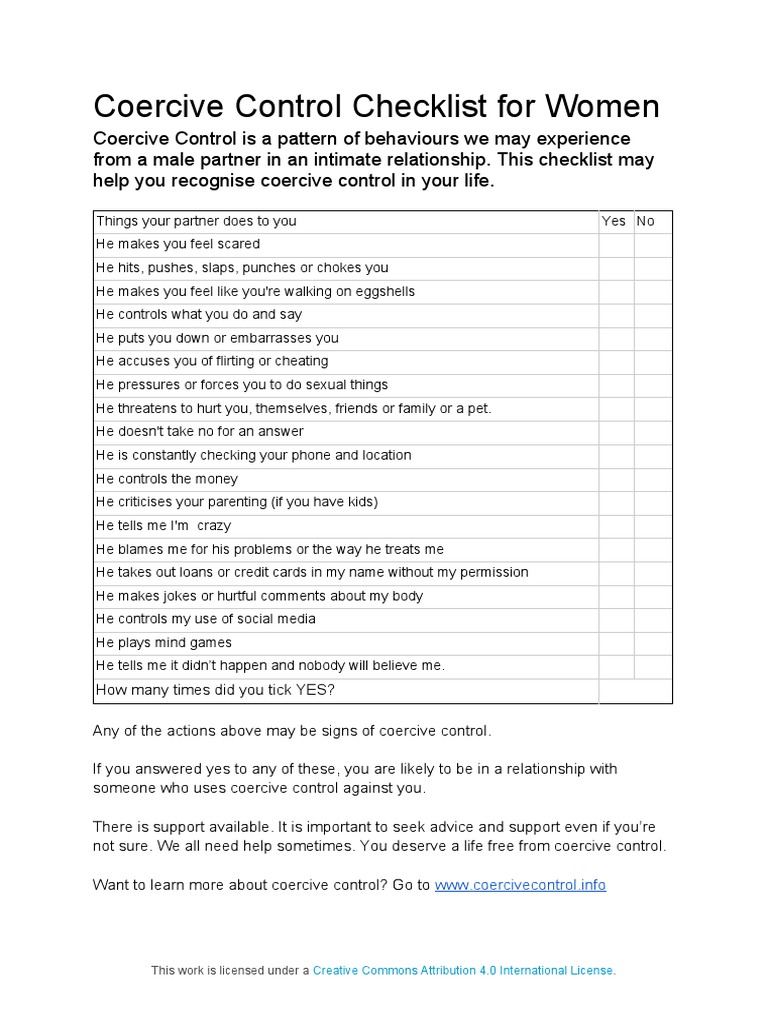
In the labyrinthine corridors of digital evidence, where timestamps flicker like distant stars and PDFs hum with silent data, lies an untapped arsenal for survivors of coercive control. The modern woman, armed with nothing but a smartphone and a trembling voice, often finds herself navigating a justice system that demands proof—yet offers no map. What if the very tools designed to oppress her could become her silent witnesses? What if the scattered fragments of her digital life could be woven into an unassailable chronicle of abuse? This is not a hypothetical. It is a revolution in the making.
The Invisible Chains of Coercive Control
Coercive control is not a single act of violence but a suffocating tapestry of psychological manipulation—gaslighting, isolation, financial strangulation, and the slow erosion of autonomy. Unlike physical abuse, its scars are not visible, yet its damage is profound. Survivors often describe it as being trapped in a hall of mirrors, where every reflection distorts reality. The legal system, however, remains stubbornly tethered to the tangible. Bruises fade. Threats vanish. But what if the digital breadcrumbs—those relentless, timestamped breadcrumbs—could pierce the fog?
Consider the woman who receives a barrage of late-night messages, each one a thread in a noose of emotional coercion. Her phone, that silent accomplice, records every ping, every read receipt, every screenshot she dare not take. These are not just data points; they are the skeletal remains of a pattern, waiting to be exhumed. Yet, without context, they are meaningless. The challenge lies not in collecting the evidence but in curating it—transforming raw data into a narrative so damning it cannot be ignored.
Timelines: The Art of Digital Forensics
Constructing a timeline is not merely about lining up dates like soldiers in a parade. It is about revealing the hidden architecture of abuse. Start with the first red flag—a seemingly innocuous comment that, in hindsight, was a harbinger of control. Then, layer in the escalation: the gradual restriction of social interactions, the financial transactions that reveal economic abuse, the geolocation data that maps her movements like a prisoner’s shackles. Each entry is a brick in the wall of proof.
But timelines are more than static records. They breathe. They evolve. A single message, when placed beside a calendar entry for a doctor’s visit she was forbidden to attend, becomes a damning indictment. The juxtaposition of mundane and sinister is where the magic lies. Survivors must learn to see their own lives through this lens—not as a series of isolated incidents, but as a meticulously constructed cage.
The beauty of digital timelines is their adaptability. They can be shared with lawyers, therapists, or support networks, each iteration tailored to the audience. For the court, they become a visual testament to a pattern of behavior. For the survivor, they are a mirror that finally reflects the truth she has been gaslit into doubting.
PDFs: The Silent Witnesses
In the digital age, PDFs are the unsung heroes of evidence. They are immutable, timestamped, and resistant to tampering—unlike a hastily deleted text or a screenshot that could be dismissed as fabricated. A PDF of a threatening message, a financial statement revealing unauthorized transactions, or a calendar entry showing a pattern of surveillance: each is a brick in the fortress of proof.
Yet, the power of PDFs lies not just in their content but in their presentation. A well-organized PDF dossier, with annotations and cross-references, transforms scattered documents into a cohesive narrative. Imagine a survivor handing over a single file to her lawyer, where every piece of evidence is contextualized, every date cross-verified, every inconsistency flagged. This is not just evidence. It is a legal Molotov cocktail.
The act of compiling such a dossier is itself an act of reclaiming power. It forces the survivor to confront the reality of her situation, to see the patterns she may have been conditioned to ignore. And when she presents it, she is not just a victim pleading for justice—she is an architect of her own liberation.
The Psychological Shift: From Victim to Strategist
Herein lies the most radical transformation: the shift from seeing oneself as a victim to operating as a strategist. Coercive control thrives in ambiguity. It relies on the survivor’s inability to articulate the abuse in terms the system understands. But when she wields timelines and PDFs like weapons, she flips the script. She is no longer pleading for someone to believe her. She is presenting undeniable proof.
This shift is not just about winning a legal battle. It is about reclaiming agency. The survivor who meticulously documents her abuse is no longer at the mercy of her abuser’s gaslighting. She is the author of her own truth. And when she presents that truth in a format the system cannot ignore, she is not just fighting for justice—she is rewriting the rules of engagement.
The Future: A Digital Revolution in Justice
The tools to combat coercive control already exist. They are hidden in plain sight, in the timestamps of messages, the metadata of files, the silent logs of our digital lives. The challenge is not technological but cultural. We must teach survivors to see their devices not as tools of oppression but as instruments of liberation. We must train legal professionals to recognize the language of digital coercion. And we must demand that the justice system evolve to meet the realities of the modern world.
This is not a call for technological determinism. No algorithm can replace human empathy. But when combined with the lived experience of survivors, digital evidence becomes a force multiplier. It is the difference between a story dismissed as “he said, she said” and a case built on an unassailable foundation of facts.
The revolution will not be televised. It will be documented. It will be timestamped. It will be preserved in PDFs and timelines, waiting for the moment when justice finally catches up to the truth.