Feminism, often visualized as a tempest challenging patriarchal monoliths, beckons us beyond the mere dismantling of systemic oppression. It is a fertile terrain where healing justice takes root, blossoming into an intersectional scaffold that recognizes trauma not just as isolated pain but as a complex, embodied response to structural violence. To understand this, one must traverse the labyrinth of somatic memory—where bodies speak in tremors, tension, and release—echoing the unsung narratives of those ensnared in overlapping systems of subjugation. Feminism, when wielded as healing justice, invites us to decipher these corporeal cartographies of trauma and resistance embedded within the sinews of marginalized bodies.
Healing Justice: Beyond Retribution, Towards Reclamation
Healing justice transcends traditional paradigms of justice predicated on punishment or retribution. It is a revolutionary reclamation of wholeness—a reclamation that stitches together fragmented selves torn apart by systemic violence. Instead of asking, “Who is to blame?” healing justice asks, “How do we repair the ruptured continuum of body, mind, and community?” It inhabits a stance of radical care, acknowledging that violent structures leave indelible marks not just on social fabrics but engraved deep within the cellular memory of individuals.
This framework refuses the reductive binaries of victim and perpetrator. Instead, it centers the interconnectedness of trauma and survival, situating healing within communal contexts where safety is reimagined, solidarity is forged, and resilience becomes a collective act. The metaphor of the body as a palimpsest—layers upon layers of history etched into flesh—illuminates how healing justice must navigate the intricate interplay between personal wounds and systemic injustice.
Intersectionality: The Kaleidoscope of Oppression and Resilience
Intersectionality is not merely a theoretical concept but a prism through which feminism’s healing justice refracts the multiplicity of oppression and resilience. Coined by Kimberlé Crenshaw, this framework exposes how overlapping identities—race, gender, class, sexuality, ability—interlock to produce unique modalities of suffering and survival. Trauma, then, cannot be disentangled into isolated threads; it is a tangled braid, each strand inseparable from the other.
In this kaleidoscopic vision, somatic trauma responses must be approached with both nuance and specificity. The bodily manifestations of racialized violence differ qualitatively from those catalyzed by gender-based oppression or economic precarity. This necessitates a healing justice praxis informed by intersectionality, one that honors divergent experiences without universalizing or homogenizing trauma. Like a prism refracting light into its constituent colors, this lens reveals the diversity of somatic imprints etched by systemic forces.
Somatic Responses: The Body as Archive and Agent
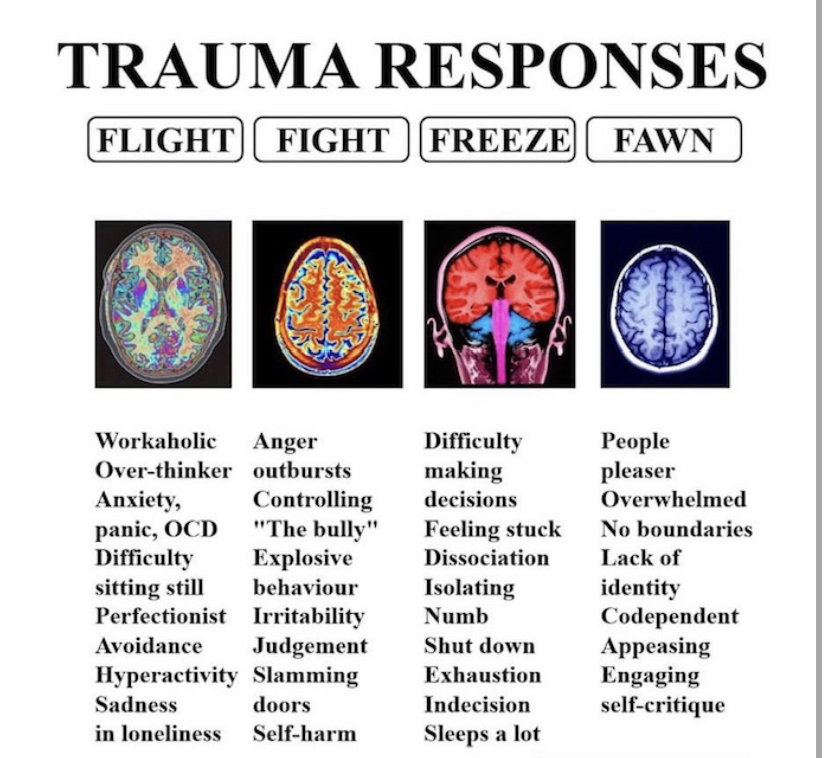
The body refuses erasure; it archives the reverberations of trauma long after the conscious mind has blinked away the narrative. Somatic responses—muscle memory, dissociation, hypervigilance, and visceral pain—are the corporeal dialects through which systemic trauma communicates. These responses are not mere pathologies but embodied languages, cryptic yet urgent, demanding attentive interpretation.
Consider the metaphor of the body as a battlefield, where conflicts fought externally are internalized as physiological unrest. Some bear the weight of historical genocide embedded in DNA; others carry the echoes of daily microaggressions as chronic tension. Healing justice compels us to reckon with these somatic testimonies, to translate silent aches into recognized stories, validating the embodied experience as a legitimate site of knowledge.
Feminism as a Conduit for Embodied Liberation
Within this matrix, feminism emerges as an alchemical conduit transforming trauma into empowerment. It refuses disembodiment—the severing of the self from physical experience—and instead reclaims the body as central to political and healing praxis. Feminist healing justice proposes that liberation is not solely intellectual or structural but profoundly corporeal.
This proposition challenges dominant paradigms that valorize cognitive processing while neglecting bodily wisdom. By embracing somatic modalities—breathwork, movement therapy, touch, and mindful awareness—feminist praxis animates the possibility of inciting change from within the very vessel that trauma inhabits. The metaphor of the body as both battleground and sanctuary elucidates this duality: a place where trauma is engraved and where healing is ignited.
Practical Pathways: Integrating Somatic Healing into Intersectional Feminist Praxis
Implementation of healing justice within feminist activism demands innovative, multisensorial approaches. Community-based healing circles, trauma-informed feminist organizing, and culturally attuned somatic therapies synergize to nurture collective regeneration. Such initiatives embrace the complexity of layered identities, honoring distinct trajectories toward healing.
For example, somatic trauma resolution workshops offer participants the tools to delve beneath cognitive defenses, accessing deep bodily memory to alleviate tension and restore equilibrium. These embodied practices dismantle the traditional fissure between activism and healing, recognizing that sustainable social transformation is inseparable from personal and communal wellness.
Moreover, centering marginalized voices—particularly those of women and non-binary people of color—ensures that feminist healing justice does not replicate exclusionary patterns. It fosters an ecosystem where varied embodiments of trauma and resilience inform praxis, cultivating a dynamic continuum of healing, advocacy, and systemic change.
Conclusion: Crafting a New Paradigm of Justice Through the Body’s Truth
The journey through feminism as healing justice sculpted by an intersectional framework ultimately reveals a radical reimagining of justice itself—one that honors the somatic legacies of systemic trauma and the transformative power of embodied healing. It demands a paradigm shift where justice is no longer a detached, sterile ideal but a living, breathing process anchored in the messy, beautiful complexity of human bodies and experiences.
In this light, feminism assumes the role of both guardian and midwife, protecting the wounded while facilitating the birth of liberated selves. The body’s silent languages become the lexicon through which resistance and restoration converse, pulsing with the promise of a world where healing and justice are irrevocably intertwined.