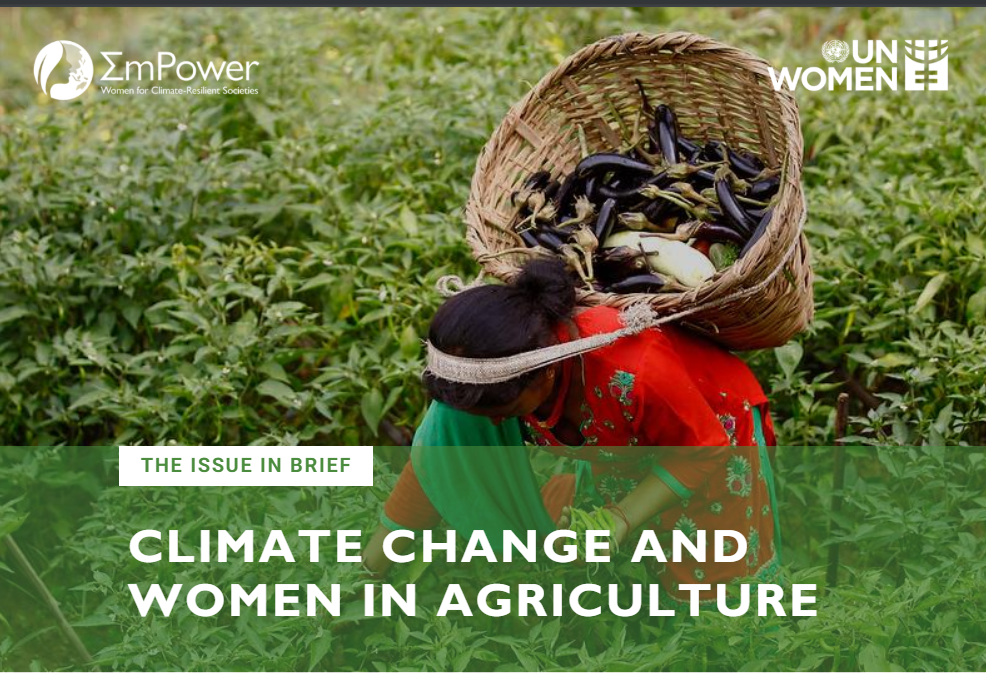
In the crucible of climate upheaval, a scenario unfolds that demands our unflinching attention — the intersection of feminism, workplace safety, and the relentless shifts in agricultural labor landscapes. Women, historically burdened with disproportionate vulnerabilities, face a labyrinth of challenges as climate change reshapes the agricultural sector and triggers waves of service migration. This piece ventures beyond cursory analysis, plunging into the complex realities where climate-induced instability meets gendered labor dynamics, exposing an urgent discourse on feminism and worker safety.
The Gendered Frontlines of Climate Change in Agriculture
Agriculture is not merely a workplace; it is a crucible where the climate crisis is vivisected on a daily basis. Women dominate many subsectors of agricultural labor, particularly in low-income regions, yet their presence often goes understudied or overshadowed. Climate change exacerbates existing inequalities, forcing women to shoulder heightened physical burdens under punishing environmental and social conditions. Extreme weather—droughts, floods, and unseasonal temperature variations—translates into unstable crop yields and unpredictable labor demands.
For women in agriculture, this instability morphs into precarious job security and escalating health risks. Their traditionally limited access to resources and decision-making power limits their ability to adapt, fostering an environment rife with exploitation and heightened vulnerability. Climate shocks force women into intensified labor—often unprotected or informal—undermining their overall safety at work and deepening economic disenfranchisement.
Invisible Risks: How Climate-Induced Migration Amplifies Workplace Perils
Migration, as a survival tactic against climate degradation, reveals another sinister facet of danger to women workers. Service migration, particularly from rural to urban areas and across borders, becomes a conduit of risk for agricultural laboring women. Migration is seldom a voluntary, well-planned transition. Instead, it frequently constitutes a desperate flight from ecological ruin, driven by the need to secure livelihoods wherever they might be found.
Entering new labor markets, often informal and unregulated, women face heightened exposure to unsafe working conditions, sexual harassment, and limited legal protections. The migration journey itself is fraught with peril: exploitation by smugglers, gender-based violence, and physical exhaustion, compounding the vulnerabilities carried into the workplace. Climate change amplifies these elements by escalating the pressure to move and by truncating the safety nets that traditionally supported women in rural settings.
Occupational Hazards Intensified by Environmental Stressors
The agricultural workplace is already one of the most hazardous sectors globally, yet climate change introduces an array of subtle and overt dangers that disproportionately impact women. Heat stress, a symptom of rising global temperatures, emerges not merely as a discomfort but as a physiological threat, increasing the risk of heat exhaustion, miscarriages, and cardiovascular strain.
Women often perform intensive manual tasks – planting, harvesting, and processing – in environments where shade, hydration, and rest breaks are luxuries rather than standards. Chemical exposure to pesticides and fertilizers, intensified by irregular farming schedules resculpted by climate uncertainty, presents long-term health hazards. Compounding the issue is the fact that protective equipment and gender-sensitive workplace hygiene facilities remain inadequate or absent, exacerbating the occupational risk profile for women.
The Compounded Impact of Socio-Cultural Dynamics
One cannot comprehend the safety quandaries faced by women agricultural workers without grappling with the social and cultural constructs that shape their experiences. Patriarchal norms often restrict women’s access to education, land rights, and labor organizing platforms, thereby silencing their agency and capacity for self-advocacy.
In many communities, the expectation to prioritize caregiving roles creates a double burden, where women juggle precarious labor hours with domestic responsibilities. This imbalance elevates mental health stresses and fatigue, compromising attentiveness and safety at work. Social stigma and cultural taboos may also prevent reporting of abuse or substandard working conditions, perpetuating a cycle of invisibility and neglect within the occupational safety discourse.
Policy Gaps and the Feminist Imperative for Structural Change
Despite the glaring vulnerabilities, existing policies frequently fail to embed gender-responsive measures that address climate and workplace safety in tandem. Fragmented frameworks overlook how climate shocks and migration intricately influence women’s occupational hazards. The absence of sex-disaggregated data hampers the development of targeted interventions, leaving women’s specific needs unaddressed and their risks unmitigated.
A feminist lens demands profound structural transformations. These include securing land tenure rights for women to reduce forced migration, instituting labor laws that accommodate climatic realities, and ensuring access to protective gear and health services tailored to women’s physiological needs. Furthermore, legal protections against gender-based violence in the workplace and during migration must become non-negotiable elements of climate adaptation strategies.
Community Resilience and Grassroots Mobilization as Catalysts for Change
Amid these formidable challenges, stories of resilience and innovation emerge from the very communities most affected. Women-led cooperatives and grassroots organizations are crafting adaptive agricultural practices, advocating for equitable resource distribution, and creating informal support networks that buffer against climate-induced shocks.
These movements underscore the transformative potential of localized knowledge and collective action. They illuminate pathways where feminist activism converges with climate justice, advocating not only for safer workplaces but for a recalibration of power structures that perpetuate vulnerability. Empowering these initiatives with resources, visibility, and policy backing is essential to safeguard women’s labor security in an evolving climate landscape.
The Path Forward: Integrating Feminism, Climate, and Labor Rights
Addressing the nexus of feminism, climate change, and workplace safety in agriculture is not simply an ethical mandate—it is an existential necessity. The evolving terrain demands more than superficial remedies. It calls for a meticulous reimagining of labor frameworks that place women’s safety and rights at the core of climate adaptation efforts.
Investment in robust data collection, gender-sensitive climate resilience programs, and inclusive policymaking must be prioritized. Intersectional approaches that recognize the compounded effects of migration, environmental stress, and socio-cultural barriers are pivotal. Only by confronting the systemic inequities weaving through these issues can we sculpt a future where agricultural women workers are protected, empowered, and poised to thrive even amidst climate’s relentless challenges.