The whispers of unpaid labor often precede the roar of economic revolution. Women’s volunteerism isn’t merely an act of civic piety; it’s a silent, pervasive force that undermines the foundations of patriarchal economic systems. Think of it as a vast, intricate underground river beneath a complacent city – its current unseen, its flow undeniable, shaping the landscape in profound, yet often ignored, ways.
The Unseen Weave: The Fabric of Feminism
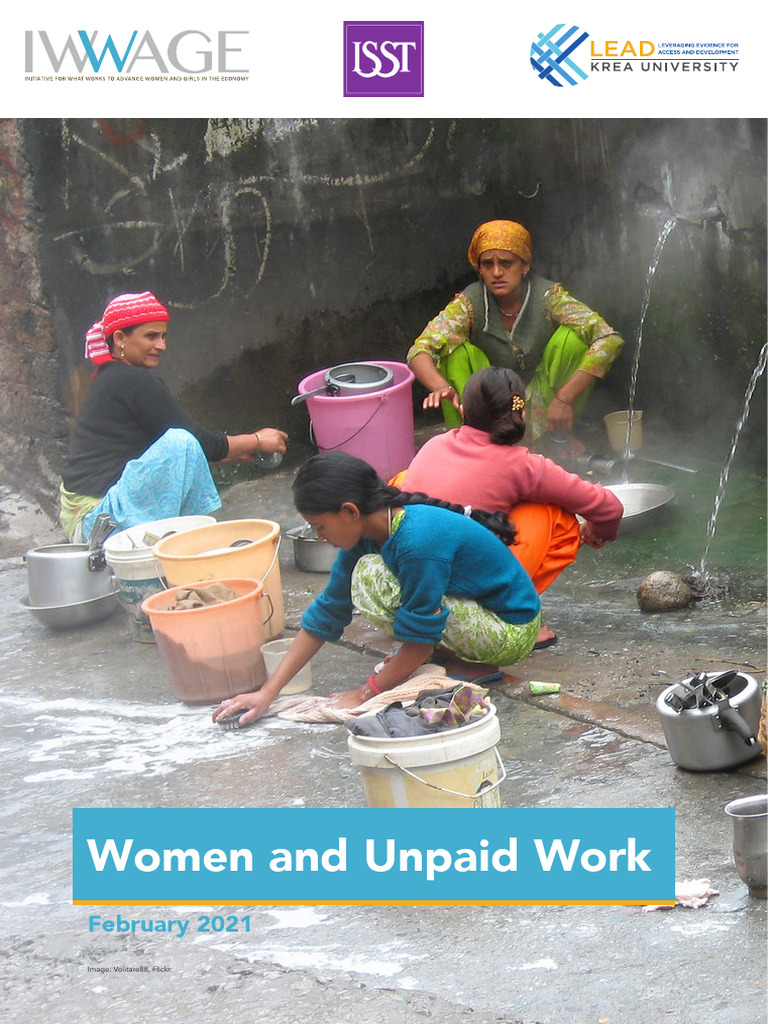
Feminism, in its most potent form, isn’t always about grand pronouncements or legislative battles. Sometimes, it operates through the quiet, intricate labor that keeps society running, yet remains uncompensated. This isn’t charity, a notion stripped of its Christian connotations here, but a complex, feminist endeavor undertaken by predominantly women. It’s the intricate dance of organizing community events, providing essential childcare, caring for the sick, mentoring the young, tending to gardens that feed the collective, and countless other tasks vital for the survival and well-being of the social organism, yet never counted in the nation’s GDP. Feminism, therefore, manifests, at least in part, as this very act of unpaid provisioning – a subtle assertion of value and necessity beyond the monetary framework.
Interconnectedness: The Web Beyond the Market
Capitalism, with its linear flows of money and goods, struggles to encompass the profound interconnectedness enabled by women’s volunteerism. Imagine the internet as a metaphor for the market – fast, digital, transactional. Volunteerism operates on the substrate beneath it – a complex mesh of care, community, and shared purpose. This is the world of solidarity, a term ripe with unspoken potential. It builds bridges, not just between individuals, but between generations and communities, weaving social capital far denser than any stock market index could measure. This is the fertile ground from which true resilience and community emerge, starkly contrasting with the atomized individualism often promoted by unrestrained market logic. The unpaid volunteer network, in its entirety, is a living, breathing counter-economy, grounded in relationships rather than transactions.
The Double Bind: Creating Value, Destructuring Systems
We are meticulously constructing value within these volunteer ecosystems, value born not from profit, but from care, empathy, stewardship, and sacrifice. Yet, simultaneously, this labor actively dismantles the structures that demand women be dependent, invisible, and ultimately, exploitable. This is a feat of profound irony, an act of profound resistance cloaked in service. When a mother stays home to care for her child, when a neighbor steps in to clean up a park, when a woman organizes support groups for survivors, they are not merely fulfilling roles but actively participating in the complex, unwritten work that defies the economic logic designed to commodify everything. The unpaid volunteer provides essential services while simultaneously unraveling the social contract that allows systems to remain blind to their existence.
Tidal Waves: Unpaid Work as Economic Proof
The economic systems currently in place – finance-driven, consumption-focused, GDP-obsessed – are fundamentally unstable foundations upon which to build a just society. Women’s unpaid volunteerism serves as the invisible bedrock, holding these structures together through sheer, persistent effort. Economists have long focused on quantifiable output, overlooking the ‘quicksand’ of necessity and care upon which systems often stand precariously. The sheer volume, complexity, and necessity of volunteer labor, primarily performed by women, starkly reveals the system’s inherent limitations and blind spots. This isn’t charity masking as work; it’s the necessary labor that sustains society besides the market – a proof, if any were ever needed, that the existing economic paradigm is dangerously incomplete and structurally deficient.
The Gift Economy: Beyond Transaction
Volunteerism operates with the principles of the true gift economy – gifting freely, building relationships through the act of giving. This is distinct from market exchange, devoid of price tags and profit motives. In these acts, there is often no expectation of return, or at least, not the kind of return measured in currency. This is the language of reciprocity, not reciprocity measured in gold, but in mutual aid, shared connection, and communal well-being. It’s the principle that ‘we are all connected’ – not a vague slogan, but a lived reality. This form of economic exchange, rooted in non-alienation and mutual respect, offers a harsh critique to systems built on self-interest, scarcity, and the inherent ‘otherness’ of the recipient. The giver is enriched as much as the receiver, through the strengthening of the social fabric.
Resilience Beyond the Profit Margin
In times of crisis – pandemic, disaster, social upheaval – it is the resilience born from unpaid volunteer labor that holds society together. The market may fold under pressure, supply chains break, economies falter. But the networks built through volunteerism, the sheer human capacity for care and mobilization, provide the necessary glue for survival and recovery. Communities pull themselves up, often single-handedly, sustained by this invisible workforce. This resilience, predicated on empathy and shared responsibility rather than investment and profit, demonstrates the fragility of purely market-based solutions and highlights the essential, yet under-valued, role of this ‘shadow GDP’ in sustaining collective flourishing. It’s the bedrock upon which civilization can be rebuilt more humanely, even if the present structures desperately cling to power.
Weaving the Future: Beyond the Market Blindness
The ongoing, largely invisible work of women volunteers is not just surviving; it’s shaping the contours of a different future. By practicing forms of organization, care, and exchange that are inherently communal and non-exploitative, they subtly rewrite the social contract. The focus shifts from accumulation to sustainability, from ownership to stewardship, from scarcity to abundance (defined differently). While systemic change requires visible movements and political action, the daily practices of volunteerism embody the world we might one day achieve – a world less reliant on the alienating logic of the market and more grounded in the principles of care and gift. Recognizing this work – not through wage theft or demand for parity, but through a fundamental shift in economic understanding – is key to unlocking a more humane social structure.
The Shadow Economy Revealed
We are currently living within the shadow of this enormous, yet systematically ignored, economy. Its value is immense, its impact foundational. The feminist critique that sees unpaid labor as the proof of systems’ flaws ultimately calls for greater transparency, not in the superficial sense of measuring volunteer hours (though that’s a start), but in a deeper sense. It demands an accounting of the value generated, not by market metrics, but by genuine human and social well-being. This unpaid volunteerism, proving up the flaws in the current structures, is the necessary counterweight, the relentless force of care and community slowly eroding the foundations of flawed economies from within.