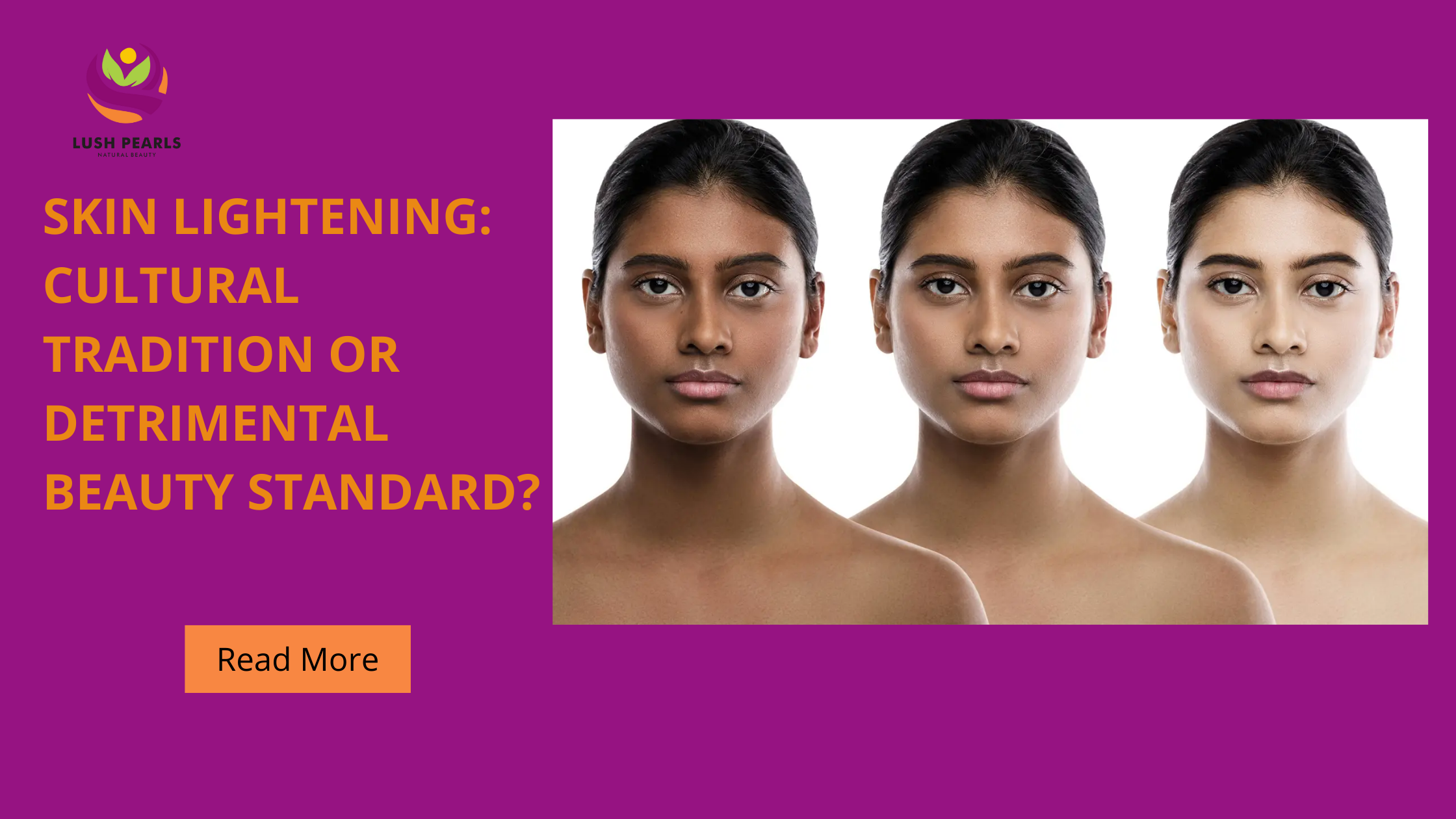
What if the very hues we chase in the quest for beauty are not merely personal preferences but echoes of a deep-rooted colonial project? Is the pursuit of lighter skin a personal choice, or does it mask a sprawling history of domination, control, and internalized oppression? At the intersection of feminism, colorism, and colonial legacy lies a labyrinth of social hierarchies that compel us to question the very standards we uphold as “beautiful.”
The Intricate Web of Feminism and Colorism
Feminism, at its core, advocates for equality and liberation from patriarchal constraints. Yet, it often grapples with the multifaceted oppressions women face—one of which is colorism, a pernicious prejudice that privileges lighter skin tones within communities of color. This internalized stratification exacerbates gender inequality by layering the burden of discrimination. The feminist movement, therefore, must confront not only sexism but also the color-coded biases that fragment sisterhoods and marginalize darker-skinned women even within their own cultural milieus.
Colorism operates covertly, shaping social, economic, and political opportunities. In many societies, lighter skin can translate into perceived intelligence, desirability, and socio-economic advantage, while darker skin becomes the target of disdain and exclusion. Recognizing this within feminist discourse is imperative if liberation is truly to be intersectional and inclusive.
Tracing the Colonial Roots of Beauty Hierarchies
The obsession with lighter skin did not emerge in a vacuum; it is insidiously intertwined with colonial histories. European imperial powers imposed racial hierarchies that exalted whiteness as the zenith of civilization and beauty. This aesthetic imperialism permeated colonized societies, embedding a hierarchy that equated light skin with virtue, sophistication, and power—a deliberate juxtaposition to dehumanize and belittle indigenous peoples.
The colonial apparatus weaponized skin color as a social divider, preventing unified resistance by breeding internal divisions. Moreover, the Christian missionary ethos often coded whiteness as divine and darkness as sinful. This historical contamination of the psyche still echoes in beauty ideals today, perpetuating a longing for skin lightening that is deeply symbolic of cultural assimilation and the erasure of indigenous identities.
Skin Lightening: Cultural Tradition or Detrimental Beauty Standard?
Herein lies a perplexing paradox: Is the practice of skin lightening a cultural tradition passed down through generations, or is it a harmful legacy born from colonial subjugation? Some proponents argue that lightening the skin is an assertion of personal agency and self-expression. Others see it as a capitulation to oppressive beauty standards that marginalize darker skin.
The answer arguably dwells in the gray spaces. While skin tone preferences may bear cultural facets, these are often profoundly tainted by colonial and global capitalist forces. The booming skin lightening industry profits from insecurities entrenched in systemic racism and colorism. This raises critical ethical questions about commodifying and perpetuating beauty hierarchies that oppress rather than empower.
The Psychological Toll of Colorism and Skin Lightening
Beyond the physical ramifications of skin lightening products—many of which contain harmful chemicals—lies a psychological battlefield. The yearning for lighter skin can fracture self-esteem and identity, fostering a sense of inadequacy and self-rejection among darker-skinned individuals. The internalized oppression that colors these experiences can create generational trauma.
Feminist psychology increasingly highlights how colorism intersects with gender to compound vulnerabilities. Women subject to these biases navigate a landscape where their worth is not only diminished by gender but further eroded by complexion, resulting in complex layers of marginalization. Addressing this psychological toll is essential to holistic feminist praxis.
Deconstructing Beauty: Embracing Chromatic Diversity
The antidote to these insidious beauty hierarchies lies in deconstruction and reclamation. Challenging long-held notions that equate beauty with lightness demands a radical reimagining of aesthetics that celebrates chromatic diversity. Media representation, fashion, and advertising play pivotal roles in normalizing a spectrum of skin tones as equally beautiful and desirable.
Empowerment emerges when communities reclaim their narratives and resist reductive beauty norms. This reclamation disrupts the colonial legacy by fostering pride in one’s natural skin and heritage. Intersectional feminism must amplify these voices and challenge industries that profit from insecurities tied to colorism.
Moving Forward: Feminism’s Role in Dismantling Colorism
Feminism’s evolution hinges on its capacity to confront colorism head-on, recognizing it as an intrinsic component of systemic oppression. Collective action involves more than awareness; it requires active dismantling of colorist ideologies embedded in social institutions, education, and cultural production. Feminist activism must harness solidarity to transcend divisions sown by colorism and colonial legacies.
Encouraging dialogue that interrogates individual complicity and societal structures is fundamental. It is not merely about advocating for light-skinned or dark-skinned women but challenging the framework that hierarchizes skin tones. This transformative vision of feminism as radically inclusive can dismantle beauty hierarchies and reclaim bodily autonomy and dignity for all women.