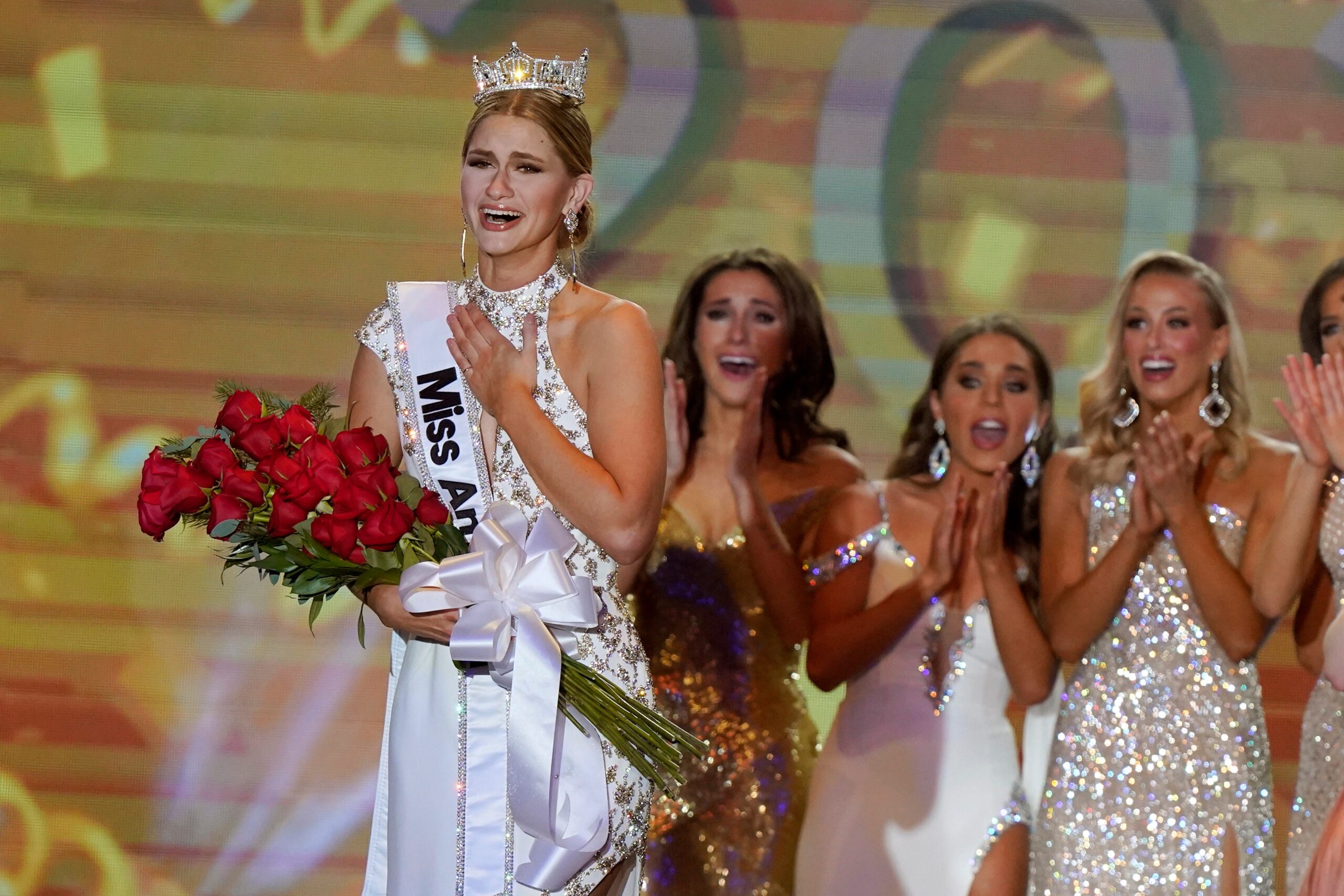
Beauty pageants, long enshrined as the epitome of feminine grace and poise, harbor a paradoxical existence within the feminist discourse. They are staged fairs of glamour yet epitomize antiquated ideals, a celebration that masquerades as empowerment while often perpetuating systemic objectification. From the quintessential Miss America pageant to the speculative horizon of Miss AI, an exploration into the anti-feminist undercurrents reveals a tapestry riddled with contradictions, cultural complicity, and evolving societal mirrors. This narrative uncovers the intricate history and the provocative transformations within the spectacle of beauty pageants.
The Ideological Contradiction of Beauty Pageants
At the heart of every beauty pageant lies a dissonance between the proclaimed ideals of female empowerment and the actual perpetuation of narrow, often exclusionary standards of beauty and worth. These events promise a platform, a launching pad for women to embody ambition, intelligence, and charm; yet, historically, they have been shackled by conventional aesthetics and enforced femininity. The paradox here is both glaring and insidious: pageants purport to uplift women, but frequently reduce them to ornamental vessels evaluated primarily on superficial criteria. This underlying contradiction invites a provocative question—are beauty pageants instruments of feminist progress or relics of patriarchal spectacle?
Miss America: The Archetype of Feminine Restriction
Since its inception in the early 20th century, the Miss America pageant has been a microcosm of American cultural values—both progressive on the surface and regressive beneath. Initially a swimsuit competition to attract tourists, it morphed into an institution emblematic of “ideal womanhood” characterized by youth, slenderness, and charm. The pageant’s strict regulation of contestants’ behavior, appearance, and lifestyles reflected a broader societal impulse to codify femininity within tightly controlled parameters.

Though often hailed as a vehicle for scholarships and female advancement, Miss America historically constrained its contestants within an archetype that mirrors patriarchal aesthetics and social mores. Feminist critiques have long condemned it as a glorification of objectification cloaked in the guise of empowerment. This tension exploded publicly during the 1968 feminist protest, when activists condemned the pageant as a “male chauvinist pig fest.” The landmark moment unveiled the pageant’s role not as a liberator but as an enforcer of gender norms.
The Pageant as a Stage for Cultural Homogeneity
Beyond the gendered implications, beauty pageants have actively perpetuated cultural hegemony, rewarding contestants who conform to Westernized standards. The visual and performative expectations set forth by the pageant circuits exclude vast swathes of racial, ethnic, and cultural identities. Marginalized women, when included, often face pressure to assimilate or perform a curated pseudo-diversity that fits the “acceptable” mold.
This enforced homogeneity becomes a subtle but powerful tool of exclusion, undermining feminist tenets centered on inclusivity and intersectionality. The result is a spectacle that not only polices female bodies but also polices which bodies can claim authority and visibility.
Redefining Feminine Success: Beyond the Pageant Stage
The historical context frames an imperative: to dismantle the pageant’s rigid script and replace it with a vocabulary of feminine success rooted in complexity, agency, and diversity. Feminist movements have consistently challenged the reductive definition of women as primarily objects of visual consumption. The contemporary feminist vision embraces intellectual accomplishment, activism, and multiplicity of experience beyond aesthetics.
The growing critique of pageantry encourages scrutiny of how society valorizes women and womanhood. It advocates for platforms where empowerment is not contingent upon spectacle or adherence to an outdated visual code but grounded in authenticity, creativity, and ideological freedom.
The Emergence of Miss AI: Technology Meets Beauty’s Paradox
As we wade into the digital epoch, the emergence of “Miss AI,” a hypothetical intersection of artificial intelligence and beauty pageantry, provokes a fascinating philosophical dilemma. Miss AI represents not just the evolution of pageantry but a magnification of its contradictions. An AI contestant, by definition, is free from physical constraints, biases linked to race, age, or body type, and human frailty. Yet it also underscores the commodification of identity, raising thorny questions about authenticity, embodiment, and the perpetuation of beauty ideals in algorithmic form.
Will Miss AI liberate pageantry from corporeal constraints and offer a radical new template for feminine performance, or will it entrench an even more sanitized, depersonalized ideal? This techno-feminist paradox tests the limits of empowerment in a world increasingly mediated by technology.
Feminist Reclamation or Complicity? Navigating the Contemporary Pageant Scene
Modern pageants strive—often insufficiently—to reflect feminist principles by incorporating aspects such as education, advocacy, and career development. Contestants wield their platforms for charitable causes and social influence, complicating the narrative of pure objectification. However, the fundamental premise of competition based on beauty and performative femininity endures.
Feminist reclamation of pageantry is fraught with tensions: can a domain built upon centuries of objectification genuinely transform into a space of liberation? Or does participation implicate women in complacency toward oppressive aesthetics under the guise of agency? The dynamic interplay between complicity and rebellion makes the modern pageant a contested terrain within feminist discourse.
Conclusion: The Future of Feminism and Beauty Pageants
Beauty pageants stand at a crossroads—caught between archaic traditions and emergent sensibilities. The anti-feminist history embedded in these spectacles cannot be untangled from their contemporary iterations without reckoning with persistent societal norms and desires. Whether through the kinetic stage of Miss America or the ethereal canvas of Miss AI, pageantry reflects cultural fantasies about women more than the realities of feminist progress.
Ultimately, the revolutionary potential of pageants depends on a radical dismantling of entrenched paradigms—beyond polished smiles and scripted performances—toward a truly pluralist, empowering vision of femininity. Until then, beauty pageants will remain both a captivating theater and a provocative battleground in the ongoing struggle for gender equity.