In the relentless pursuit of equality, feminism confronts one of its most entrenched adversaries: sex-based discrimination. This battle is not fought only in social arenas or cultural debates but deeply within the legal labyrinths that govern workplaces across the globe. Title VII of the Civil Rights Act of 1964 stands as a pivotal federal law in the United States, prohibiting employment discrimination on the basis of sex, among other categories. Yet, the true power of feminist legal advocacy unfolds when we understand the law’s scope, limitations, and the ripple effects mirrored in international jurisdictions. This exploration promises a seismic shift in perspective, urging us to interrogate not just the letter of the law but its evolving spirit amid global feminist jurisprudence.
Title VII: Foundations of Sex-Based Protections in the United States
At first glance, Title VII appears to straightforwardly prohibit sex discrimination in employment. However, this federal statute is a living text, its applications shaped by cultural currents and judicial interpretation. Passed amidst the civil rights upheaval, it originally aimed to dismantle overt gender biases that barred women from equitable employment opportunities. But beneath the surface, the law grapples with subtler indignities—sexual harassment, pregnancy discrimination, and unequal pay—that perpetuate second-class status in the workplace.
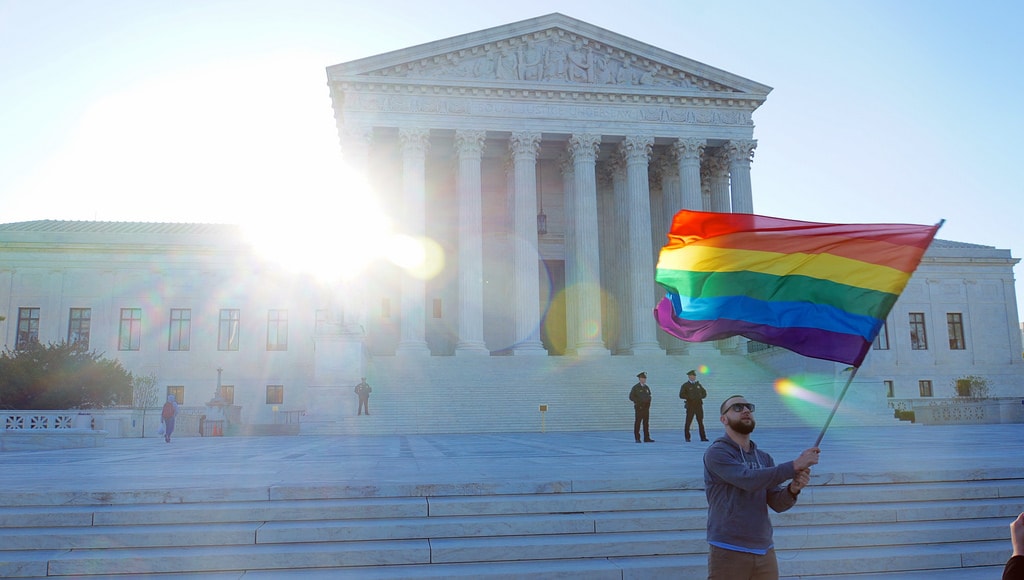
Title VII’s genius lies in its elasticity. Courts have expanded “sex” to encompass gender identity and sexual orientation, signaling a tectonic shift in feminist legal advocacy. This evolution acknowledges the complex realities of gender beyond the traditional binary, undermining systemic discrimination in its myriad forms. Yet, these interpretations remain contentious fronts, contoured by political will and judicial philosophy.
From Groundswell to Global Currents: International Equivalents and Their Divergent Paths
While Title VII sets a benchmark, feminist legal movements worldwide navigate varied terrains. European nations, guided by the European Union’s directives, prescribe comprehensive frameworks that often extend protections to intersectional identities. For instance, the EU’s Equal Treatment Directive not only bans discrimination based on sex but weaves in considerations for pregnancy, parental leave, and gender reassignment. Such measures encapsulate feminist consciousness attuned to lived experiences beyond employment.
On other continents, the picture fragments into a kaleidoscope of progress and inertia. In some jurisdictions, colonial legacies, cultural mores, and political instability stymie the enforcement of sex-based discrimination laws. Yet, pockets of radical reform emerge: nation-states sculpting progressive statutes that include affirmative action, equal pay mandates, and harassment accountability. This global patchwork presses feminists to recalibrate strategies—from litigation to grassroots activism—highlighting that legal frameworks, while crucial, are only part of the matrix needed to dismantle entrenched gender hierarchies.
Sex-Based Discrimination in Practice: Invisible Barriers and Legal Battles
Sex-based discrimination operates as a stealthy predator, cloaked in nuanced workplace practices. Beyond overt hiring biases lie labyrinthine challenges: glass ceilings, maternal penalties, and the erasure of caregiving roles from career valuation. Legal battles under Title VII and global analogues frequently pivot on evidentiary labyrinths—proving discriminatory intent or disparate impact is complex, often discouraging aggrieved individuals from seeking redress.
Feminist jurisprudence calls for a reimagined burden of proof. Some jurisdictions champion proactive employer responsibilities, mandating thorough investigations and remedial measures, rather than reactive litigation. These shifts underscore a broader promise: the law as not only a punitive instrument but a transformative force reshaping workplace cultures.
Sexual Harassment: The Legal Frontier of Feminist Struggle
Perhaps no area under the sex discrimination umbrella galvanizes feminist urgency as fiercely as sexual harassment. Title VII’s interpretation has expanded to recognize harassment as a form of sex discrimination, a critical breakthrough that acknowledges the profound impact of hostile work environments on women’s autonomy and dignity. Landmark cases have exposed not merely individual misconduct but systemic abuses perpetuated by power asymmetries.
The global panorama reveals varied legal receptions to harassment claims. Some jurisdictions embed robust protections, encompassing gender-based violence that spills beyond the workplace. Others lack formal recognition, forcing survivors to navigate treacherous legal and social landscapes alone. Feminism’s audacious challenge is to render visible these invisible violations and enshrine accountability as a non-negotiable norm.
Intersecting Identities: Beyond Binary Conceptions of Sex Discrimination
The trajectory of feminist legal discourse is irreversibly intertwined with recognizing intersectionality—the idea that sex discrimination does not occur in a vacuum but intersects with race, class, sexuality, and disability. Title VII’s application, especially after landmark rulings, reflects this complexity by protecting those whose gender identity or sexual orientation place them precariously at multiple axes of discrimination.
Internationally, laws grappling with intersectionality create nuanced protections, yet enforcement remains uneven. Feminism’s promise is a juridical reorientation that refuses reductionist categorizations, embracing the multifaceted nature of identity embedded in contemporary experiences of oppression. This is a clarion call to lawmakers and advocates alike to transcend simplistic frameworks and architect inclusive legal architectures.
The Future Landscape: Promises and Perils in Legal Feminism
As feminist legal activism surges forward, the terrain reveals both opportunities and obstacles. Technological advancements, shifting workforce demographics, and socio-political upheavals mandate adaptive legal thinking. Artificial intelligence in hiring, for example, portends new modes of implicit bias that current laws barely address. Feminism must therefore engage with emerging challenges to ensure sex discrimination laws remain relevant and effective.
Simultaneously, backlash movements—political retrenchments that seek to unmake gains in gender equality—pose significant threats. Vigilance is essential to prevent legal regressions that disenfranchise vulnerable populations. The continued evolution of Title VII and its equivalences worldwide hinges on persistent feminist advocacy galvanized by empirical research, strategic litigation, and global solidarity.
Conclusion: Legal Feminism as a Catalyst for Cultural Revolution
Sex-based discrimination laws like Title VII and its global counterparts are more than statutory edicts; they are harbingers of a larger cultural revolution. Feminism’s engagement with these legal frameworks promises to reset paradigms—not only enforcing rights but redefining societal norms around gender. This ongoing legal saga invites us all to reconsider entrenched biases and to imagine workplaces and societies where power and dignity are shared equitably irrespective of sex or gender.
In this unfolding narrative, law transforms from a passive rulebook into a radical trigger for societal metamorphosis. Feminism, armed with legal instruments and unyielding resolve, stands at the vanguard of this monumental shift, challenging us to envision—and enact—a truly equitable future.