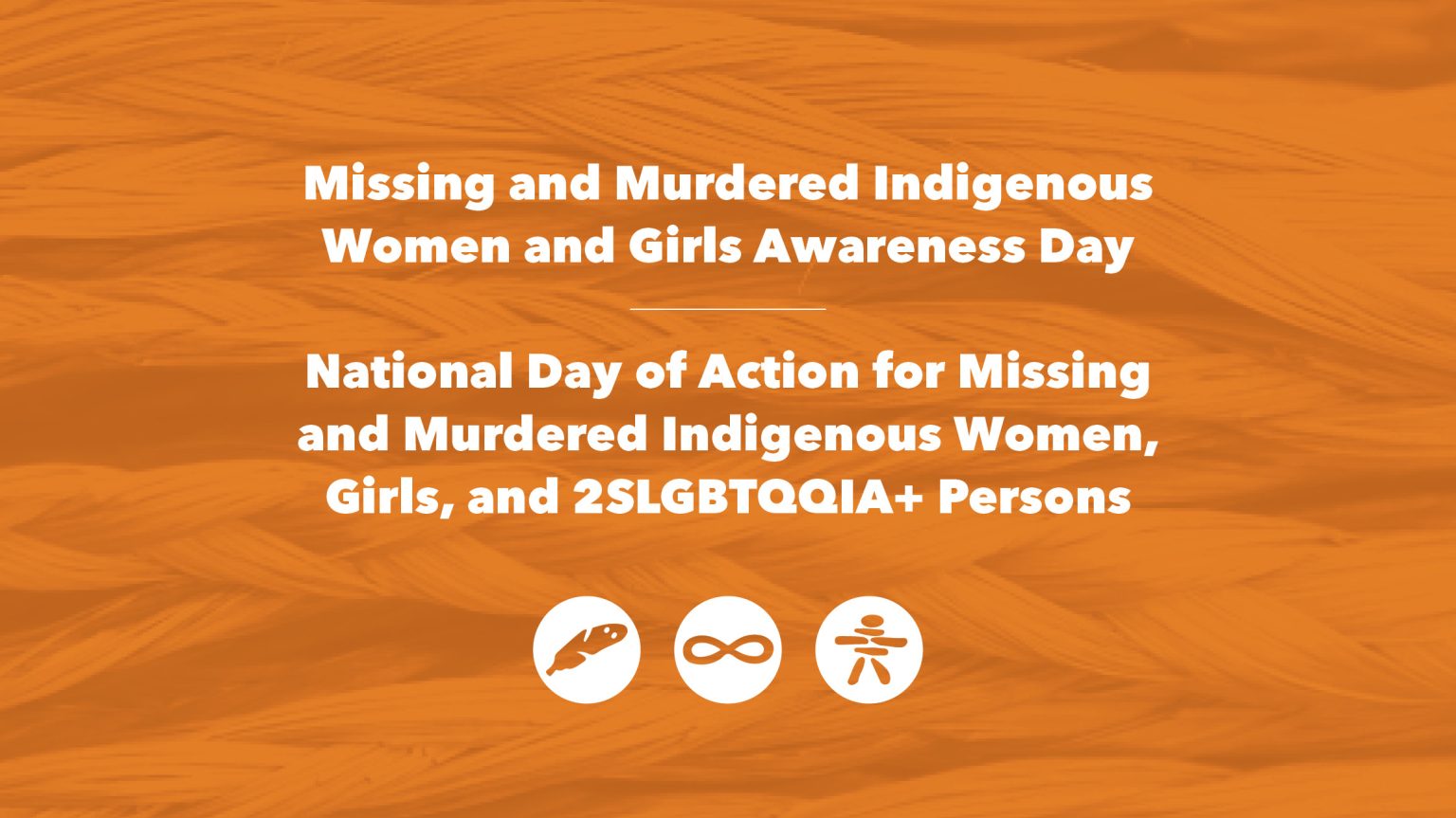
Can a garment become a manifesto? What if the fluttering hem of a simple red dress could scream louder than any protest or policy paper? Feminism, often celebrated as the liberating force of equality, finds itself entangled in the silenced narrative of Missing and Murdered Indigenous Women, Girls, and Two-Spirit people (MMIWG2S). This isn’t merely a call to acknowledge an invisible genocide — it’s a challenge to confront the intersections of race, gender, colonial violence, and systemic apathy that have rendered these women both hyper-visible and tragically overlooked. The red dress hangs not just as an emblem of sorrow, but a demand for action. So here lies the provocative inquiry: How can contemporary feminism reconcile its universalist agendas with the specific, brutal realities Indigenous women face? And more importantly, will it?
The Ongoing Genocide: Indigenous Women at the Crossroads of Violence
The term genocide often conjures images of mass killings recorded in history, but today’s genocide is quieter, insidious, stitched into the fabric of systemic failures and societal indifference. Indigenous women and Two-Spirit individuals face disproportionate levels of violence, disappearance, and death—a pattern so pervasive it demands a redefinition of genocide itself. This is not collateral damage; it is structural annihilation. The roots dig deep into centuries of colonialism, forced assimilation, and cultural erasure. When society turns a blind eye to these missing lives, it enables those very forces. The perpetuation of violence against Indigenous women is a testament to the failure of not just law enforcement but also of feminist movements that struggle to include Indigenous perspectives within their broader fight for gender equality.
Red Dresses: Symbolism Wrapped in Silence and Resolve
Enter the red dress. It’s more than a piece of cloth. It is a silent witness and a haunting reminder. When draped on mannequins, hung across public spaces, or sewn by hands that have lost loved ones, the red dress symbolizes absence and presence simultaneously. The color red itself is jarring—representing blood, life, death, and the spiritual. It’s a visual representation of those who are no longer here to tell their stories—an evocative demand for recognition. Yet, is this powerful symbol enough? Wearing or displaying red dresses compels a moment of pause—an involuntary confrontation with uncomfortable truths. However, symbolism without substantive action risks becoming performative—a decorative grief devoid of tangible outcomes.
Intersectionality’s Betrayal: Feminism’s Blind Spot
Feminism is often touted as the salvation for all women, but its historical and ongoing struggles with intersectionality highlight a glaring contradiction. Predominantly led by white, middle-class voices, mainstream feminism has frequently marginalized Indigenous women’s plight. The unique factors affecting MMIWG2S—historical trauma, jurisdictional complexities, racialized policing, and cultural genocide—require nuanced approaches. Yet, many feminist circles fail to translate this complexity into targeted advocacy. Instead, Indigenous women’s issues are sidelined or appropriated without consent, turning painful realities into bullet points rather than active campaigns. This betrayal threatens the unity feminism claims to champion and undermines its claim to universality.
The Role of Government and Colonial Legacies
Government inaction and complicity thread through the MMIWG2S tragedy like an unbreakable chain. Jurisdictional confusion between federal, provincial, and Indigenous authorities becomes a bureaucratic labyrinth where cases languish, victims remain unidentified, and families are left in limbo. Colonial legacies persist, manifesting in policies that disrupt Indigenous communities, diminish cultural sovereignty, and prioritize resource extraction over human dignity. These institutional failures are not accidental gaps but components of a system designed to marginalize Indigenous existence. Thus, demands for justice must contend not only with individual perpetrators but with entrenched systemic inadequacies—a monumental task that requires sustained political will and societal reckoning.
Community Resilience and Indigenous-Led Action
Despite the darkness, Indigenous communities embody resilience and leadership in the fight against MMIWG2S violence. Grassroots movements and organizations spearheaded by Indigenous women and Two-Spirit individuals have transformed mourning into mobilization. Initiatives include awareness campaigns, cultural revitalization projects, and advocacy for policy reform. These efforts reclaim Indigenous identity and assert sovereignty over narratives once silenced. Importantly, Indigenous leadership challenges mainstream feminism to evolve: to listen, to amplify, and to act in solidarity rather than supremacy. They reveal that true feminism cannot ignore the voices most affected by the intersection of gender and colonial oppression.
Reimagining Feminism: From Allyship to Accountability
What if feminism dared to redefine itself through the lens of Indigenous struggle? Moving beyond performative allyship entails deep listening, unlearning supremacy, and active redistribution of power and resources. Feminist movements must elevate MMIWG2S justice from sidebar issues to core priorities. Accountability means addressing complicity in systemic racism and colonial violence—not as guilt but as a mandate for change. This requires amplified Indigenous leadership within feminist spaces, funding Indigenous-centered initiatives, and demanding governmental transparency and action. Only then can feminism transcend its current limitations, transforming from a voice of abstraction to a force for tangible, inclusive liberation.
Conclusion: The Red Dress as a Call to Arms
The red dress flutters in the wind, a vivid banner of grief and defiance. It asks—no, it demands—that society witness what it has long ignored. This is a call to feminists, activists, governments, and citizens alike: Will we allow the ongoing genocide of Indigenous women and Two-Spirit people to persist beneath the veil of symbolic red, or will we dare to unseat silence with action? The challenge remains profound. Feminism’s promise of equality can only be fulfilled when the most vulnerable are no longer invisible, when red dresses are not just reminders but markers of justice served. For Indigenous women, feminism must become a reckoning, a revolution, and above all, a commitment to life.