What if the woman checking your ID at the polling station held more power than the ballot itself? Not in the way you’d expect—a subtle, almost invisible authority that shapes who gets to vote, who gets questioned, and who slips through the cracks of democracy’s grand illusion. The poll worker’s pen, the stamp of approval, the raised eyebrow over a mismatched name—these are the quiet gatekeepers of electoral justice. And feminism? It’s not just about burning bras or smashing glass ceilings. It’s about interrogating who gets to decide what’s “legitimate” in the first place.
The Illusion of Neutrality: Who Really Holds the Scalpel?
Democracy loves to dress itself in the robes of impartiality. The polling booth is a temple of fairness, they say, where every vote is sacred and every voter is equal. But step behind the velvet curtain, and you’ll find a different story. The poll worker—often a woman, often a volunteer, often armed with nothing but a clipboard and a stern expression—holds a disproportionate amount of influence. She doesn’t just verify your ID; she interprets the rules, decides what’s “suspicious,” and can single-handedly derail a voter’s journey to the ballot box.
This isn’t just bureaucracy at work. It’s a power dynamic. The woman behind the table isn’t just a functionary; she’s a gatekeeper, and her discretion is rarely scrutinized. Is your name spelled correctly? Does your photo match your face? Did you bring the right piece of paper? These aren’t neutral questions—they’re loaded with assumptions about who belongs in the electorate and who doesn’t. And when those assumptions are wielded by someone who may not even realize she’s enforcing a system stacked against certain groups, the damage is done before the first vote is cast.
The Feminine Hand in Electoral Gatekeeping
Why is it that poll workers are so often women? The answer isn’t just about volunteerism or community engagement—it’s about the gendered labor of social control. Women have long been the enforcers of moral and bureaucratic order, whether as teachers, nurses, or, in this case, the arbiters of electoral access. Their role is framed as nurturing, even maternal: “We’re just making sure everything’s in order, dear.” But beneath that veneer of care lies a more sinister function. The poll worker’s gaze is a disciplinary one. She’s not just checking your ID; she’s judging your right to participate.
This is where feminism must ask the uncomfortable question: Is the woman behind the table an ally or an enforcer? Does she see the systemic barriers she’s upholding, or does she believe, in all sincerity, that she’s just doing her civic duty? The answer matters because her power is real, even if her intentions aren’t malicious. When a Black woman’s ID is scrutinized more closely, when a transgender voter’s name doesn’t match their appearance, when a young student’s proof of residence is deemed “insufficient”—these aren’t accidents. They’re the result of a system where the feminine hand is just as capable of oppression as the masculine fist.
The Weaponization of “Legitimacy”
There’s a word that gets thrown around in polling stations like a gauntlet: *legitimacy*. Your ID must be “legitimate.” Your name must be “legitimate.” Your presence must be “legitimate.” But who defines legitimacy? The state? The poll worker? The voter themselves? The answer is always the same: the system does. And the system is never neutral.
Consider the woman who shows up with a recently changed last name due to marriage. Her ID says one thing; her voter registration says another. The poll worker frowns. “This doesn’t match.” Does she ask why? Does she consider the bureaucratic nightmare of updating every document after a life event? Or does she simply mark the voter as “problematic” and move on? The latter is far more likely. Legitimacy, in this context, is a moving target—a concept wielded to exclude rather than include.
Feminism has long fought against the idea that women’s identities must conform to patriarchal standards. Yet here we are, in the 21st century, where a woman’s right to vote can still be contingent on whether her name matches the one on a piece of plastic. The irony is delicious, if not infuriating. The same institutions that claim to champion equality are the ones policing it with the zeal of a 19th-century moralist.
The Subtle Art of Intimidation
Poll workers don’t just check IDs—they create atmospheres. A stern look. A prolonged silence. A muttered comment to a colleague about “these people.” These are not neutral behaviors. They are forms of soft power, designed to make certain voters feel unwelcome, uncertain, or even afraid. And when the person wielding that power is a woman, the effect is doubly insidious. Because we’ve been conditioned to associate femininity with nurturance, not coercion. A man who does this is a bully. A woman who does it? She’s just “being thorough.”
The challenge for feminism is to recognize that oppression doesn’t always wear a uniform. Sometimes it wears a volunteer badge and a polite smile. The poll worker who questions a voter’s citizenship status isn’t just doing her job—she’s participating in a long tradition of disenfranchisement. The voter who leaves the polling station feeling humiliated isn’t just having a bad day—she’s been reminded, once again, that her place in democracy is conditional.
What’s the solution? Training? Accountability? A complete overhaul of how we think about voter verification? All of the above. But first, we must acknowledge the problem. The poll worker’s pen is mightier than the sword—not because it’s sharp, but because it decides who gets to wield the sword in the first place.
Democracy’s Unseen Arbiters: A Call to Arms
So the next time you stand in line at a polling station, take a moment to observe. Who’s behind the table? What’s their demeanor? How do they interact with different voters? You might be witnessing the quiet machinery of electoral control in action. And if you’re a feminist, you might also be witnessing a mirror—one that reflects back the ways in which even the most well-intentioned women can become unwitting agents of oppression.
The fight for voting rights isn’t just about gerrymandering or voter ID laws. It’s about the people who enforce those laws on the ground. It’s about the women who hold the keys to the ballot box, often without realizing the weight of what they’re holding. Feminism must expand its gaze beyond the obvious battlegrounds and ask: Who gets to decide who is a “real” voter? And why do we trust that decision to the same hands that have historically policed women’s bodies, identities, and choices?
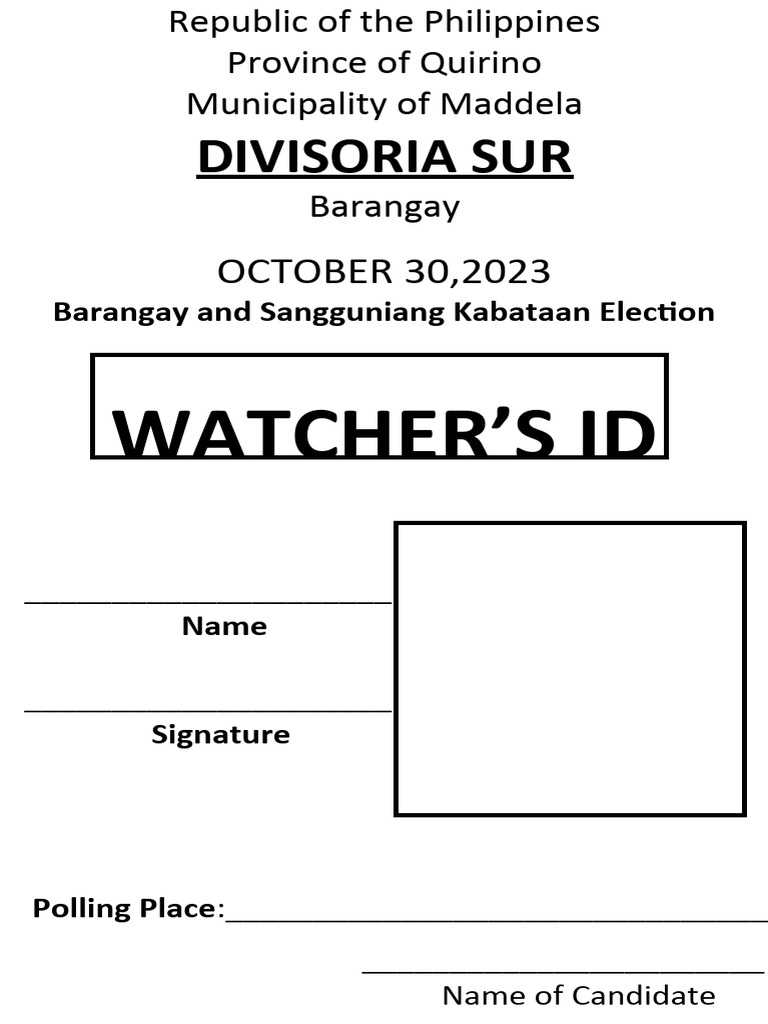
The poll worker’s ID isn’t just a formality. It’s a challenge. A challenge to the idea that democracy is ever truly fair. A challenge to feminism to look beyond the headlines and see the quiet, insidious ways power is wielded every single day. And perhaps, just perhaps, a challenge to all of us to ask: What would happen if the women behind the tables decided to use their power for liberation instead of control?