

















In recent months, the landscape of reproductive rights has been embroiled in fervent debate, sparking tensions that have reverberated through high schools across the nation. With abortion foes planning to picket at more than 50 schools, this controversy raises critical questions about the interplay of activism, education, and personal autonomy. Are we witnessing a resurgence of moral absolutism, or can the discourse around reproductive freedom evolve into a more constructive dialogue?
Let’s delve into the layers of this issue, scrutinizing the motives behind anti-abortion demonstrations in educational settings, and reflecting on the implications for the feminist movement and society at large.
The rise of anti-abortion activism in schools comes as no surprise, given the shifting political climate regarding reproductive rights. Fueled by an increasingly polarized environment, the activists argue that they are merely delivering a message of “life” to impressionable youths. However, we must question: who benefits from this messaging? Is it the supposed protection of unborn lives, or is it a calculated exploitation of vulnerable teenagers for the sake of political theater?
Education should be a bastion for critical thinking and informed choice, a place where students can explore diverse perspectives. Yet, the entrance of anti-abortion protests into high school campuses threatens to transform educational settings into battlegrounds of ideological warfare. It’s as if the playgrounds of our youth have been hijacked by adults who are more concerned with perpetuating dogma than promoting informed discourse.
What’s at stake here is not simply a debate over reproductive rights. It’s the right of young people to engage with their bodies and futures on their own terms. As feminist activists, we know that autonomy is foundational to empowerment. The coercive environment created by picketers operating under the guise of “education” undermines this very principle. It crystalizes the notion that women, and those who can conceive, are not trusted to make decisions about their own lives.
The so-called “pro-life” movement cloaks its agenda in a rhetoric of protection and moral superiority. What’s often left unsaid is that this movement disproportionately targets marginalized groups. In a world where access to reproductive healthcare—including abortion—is already inequitable, these protests serve to further disenfranchise those who may be the most vulnerable. Low-income individuals and racial minorities bear the brunt of restrictive abortion laws and the loud proclamations against them.
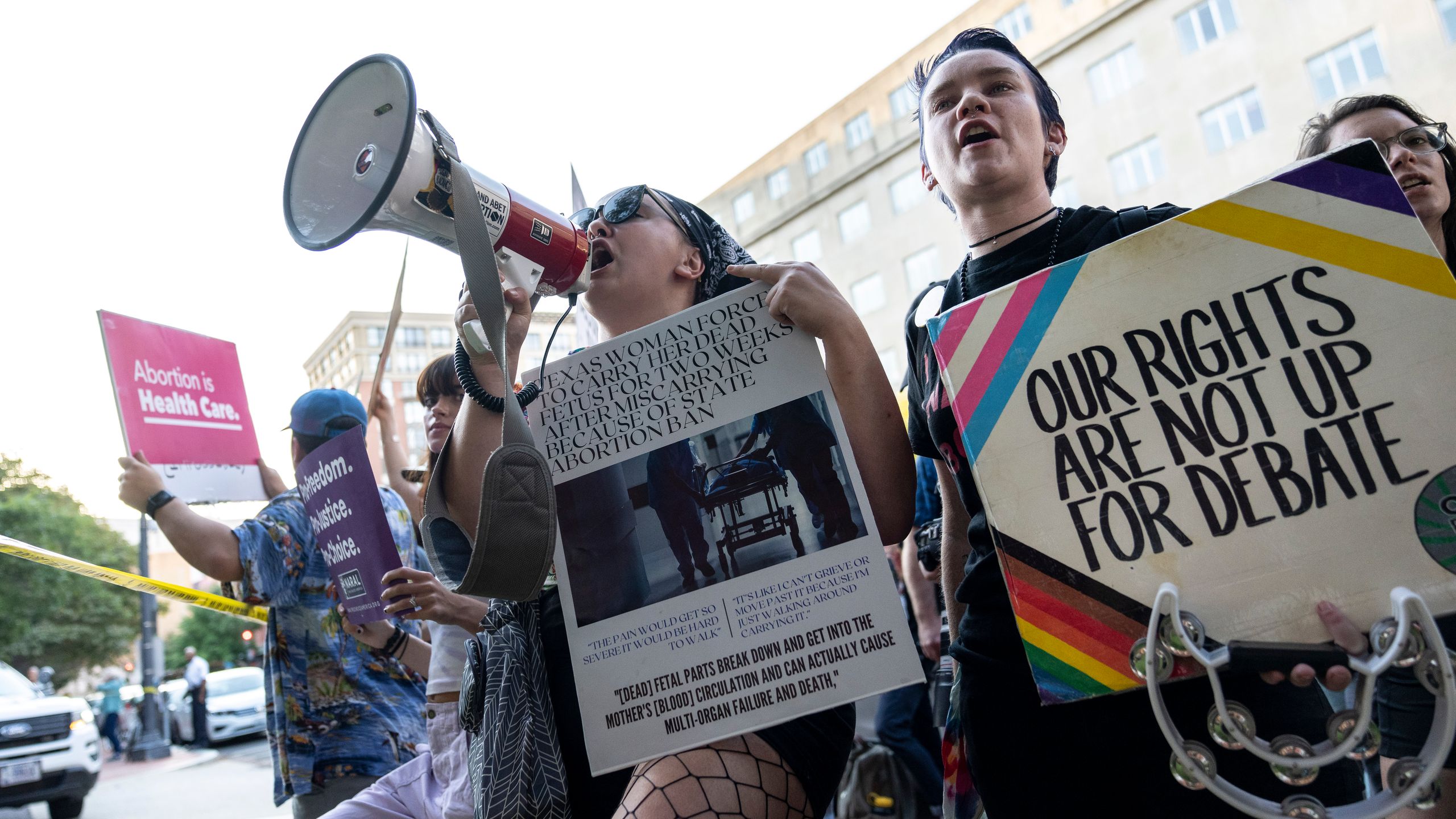
It’s imperative that we examine the narratives shaped by both sides of the reproductive rights debate. Activists touting personalized choices, yet in stark opposition, scream through megaphones, stunting any possibility for nuanced conversation. The anti-choice activists weaponize guilt and shame, often disregarding the realities that people confront when faced with reproductive decisions. The stories of heart-wrenching circumstances, financial constraints, intimate conversations about health and well-being, are all dismissed, rendered as mere talking points in a political crusade.
Amidst this storm of rhetoric, it’s crucial to highlight the voices that go unheard—the voices of young women, LGBTQ+ individuals, and others who navigate the labyrinth of reproductive healthcare in silence. Their complexities, their fears, and their aspirations deserve more than the reductive dichotomy of “life” versus “choice.” This is a tapestry woven from individual narratives, each unique, yet collectively submerged under the monolithic weight of protest signs and chants.
To further complicate the situation, we must confront the reaction of educational institutions. In many cases, schools have opted to maintain neutrality, allowing protests to occur to uphold free speech. But where lies the ethical line? The freedom of expression must not come at the cost of jeopardizing the emotional and psychological safety of students. The educational environment must be a sanctuary for diverse thought, yet in allowing picketing to go unchallenged, schools risk fostering a climate fraught with division and fear.
We must pose the question: does allowing anti-abortion demonstrations on school grounds equate to a tacit endorsement of their views? And if so, how does this align with the goal of fostering informed and critical dialogue among students? The responsibility must shift back onto educational leaders to create spaces where reproductive health education thrives, encouraging open discussion and evidence-based understanding instead of intimidation.
Looking ahead, it’s paramount for feminists and allies to mobilize against these incursions into educational spaces. Students deserve comprehensive sexual education that addresses a full spectrum of reproductive health topics without bias. It’s time to cultivate an environment where reproductive rights are understood as essential healthcare, where the voices of students are amplified rather than silenced by external pressures.
The role of digital activism also cannot be overlooked. In an age where social media can swiftly convey both information and misinformation, online platforms have become a double-edged sword. Utilizing these tools effectively could empower younger generations, sparking grassroots movements that push against regressive ideologies. For instance, initiatives that encourage peer-to-peer education related to reproductive health can facilitate informed advocacy from within the student populace itself. When students arm themselves with knowledge, they can navigate pro-choice discussions more competently, dismantling the arguments imposed by protestors.
Ultimately, the growing controversy surrounding high school protests against abortion highlights a more extensive struggle within society. At its core lies a battle over agency, autonomy, and the fundamental right to self-determination. The ability to chart one’s path and make informed choices is an inalienable human right, one that must be fiercely protected, particularly for the younger generation.
As we advance our discourse on reproductive rights, let us embrace the uncomfortable dialogues necessary to foster understanding. May we challenge the moral confines imposed by opposition and center the voices of those most affected by these decisions: the students themselves. In solidarity, we must cultivate a future that champions not just pro-choice, but pro-knowledge, pro-empowerment, and—above all—pro-autonomy.