
















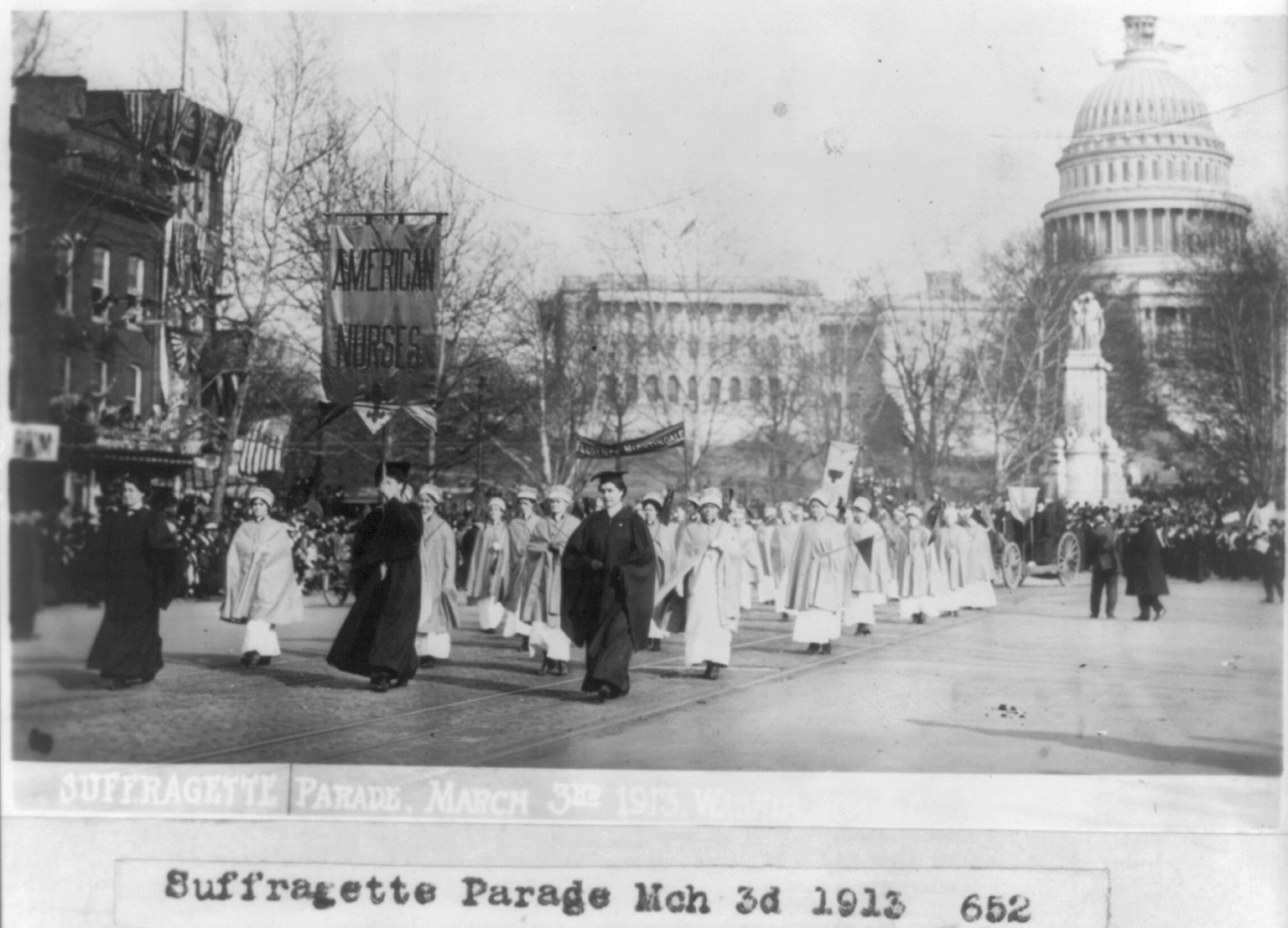
The year 1913 marked a watershed moment in the suffrage movement, as women across the United States banded together to demand their rights. The vibrant tapestry of activism was interwoven with battles of ideology and morality, as lawmakers and religious leaders began weighing in on the contentious issue of women’s suffrage. Their voices—varied, impassioned, and often contradictory—echoed through the halls of power and the public square, illuminating a national debate rife with tension, gender conflict, and the quest for autonomy.
The date April 21, 1913, stands out as a key juncture where animosities flared and alliances formed amidst a fevered environment of social change. In this discourse, women’s rights were pitted against a patriarchal order that had long dictated the roles and privileges afforded to women. In this article, we delve into the rich, multifaceted dimensions of the suffrage debate, exploring its implications and ramifications through the voices of rebuke and support that emerged from the political and religious arenas.
The cacophony of dissent and support surrounding the suffrage movement was not merely a trivial struggle for a right; it evolved into a moral crusade that questioned the foundational tenets of society itself. At the heart of this dialogue were the contrasting views of progressives who championed women’s rights as indicative of modernity and conservatists who invoked tradition, morality, and fear of chaos as their rallying cry.
Throughout this discourse, the role of lawmakers was pivotal. Their decisions, or lack thereof, wielded immense power in shaping the legal landscape for women’s rights. One component worth examining is how suffrage divided the political hierarchy, revealing schisms not just between parties but also within them.
As state legislatures grappled with the implications of enfranchising women, the debates grew increasingly tumultuous. Some lawmakers, awakening to the socio-political acumen of women, began advocating for suffrage laws. Yet a substantial faction remained entrenched in misogynistic ideologies that rendered women as incapable of making informed civic decisions. In this ideological showdown, lawmakers transformed from mere representatives into gatekeepers of justice—or, ironically, oppression. Their stance echoed through the hearts of their constituents, whether in favor of or against the expansion of liberties. As suffragists rallied for support, the complexity of backing legislation emerged, as did the perilous nature of aligning with political agendas.
Religious leaders, often at the forefront of moral tutelage, added another layer of complexity to the suffrage predicament. Clergymen grappled with the question: Does supporting women’s rights contradict their faith? The pulpit became a battleground where traditionalists decried female empowerment as a rebellion against divine ordinance, while some progressive ministers aligned with suffragists, viewing the movement as a manifestation of moral obligation to promote equality and justice. The theological underpinnings of the suffrage debate reflected broader societal anxieties surrounding gender roles, hegemony, and individual autonomy. Pastoral proclamations swung like pendulums—unwavering in their conviction yet painfully divided.
The outreach mechanisms employed by suffragists played a crucial role in swelling the ranks of their supporters and fracturing the opposition. Through vibrant parades, rallies, and even more subtle forms of diplomacy, activists took to the streets, adding a visceral dimension to their struggle. Entwined within these public displays was the throbbing energy of a movement that defied suppression. April 21, 1913, witnessed one such spectacle: a monumental parade in Washington, D.C., orchestrated by Alice Paul and the National American Woman Suffrage Association. Contingents of women marched boldly, adorned with colors and slogans that proclaimed their demand for the vote, standing in resolute solidarity against a backdrop of skepticism and antagonism.
This parade was not merely a call for suffrage—it was a declaration of existence. Its flood of participants represented diverse strata of women: white, Black, indigenous, and immigrant women each contended with their own intersecting struggles. Each marchers’ placard told a story, conflating personal narratives with a collective demand for revolutionary change. Yet they also confronted the unyielding response from an assemblage of male bystanders, contemptuous of the perceived insurrection against their purported right to govern both society and women’s roles within it.
Central to the debate was the idea of “womanhood” itself. The suffrage question pried open the Pandora’s box of gender identity and societal expectations. Critics argued that granting the vote would erode family structure and moral fortitude, positing that women were naturally predisposed to domesticity rather than public life. This antiquated notion of femininity attempted to corral women into predefined roles while simultaneously battling against the emergent conception of women as fully-fledged citizens—agents of change, rather than passive recipients of a paternalistic society.
The tension heightened with vehement opposition to suffrage, as certain religious factions intertwined theology with societal norms to fashion an allegiance against women’s empowerment. These factions curated a narrative that harkened back to an idealized past, exalting women’s supposed sanctity while simultaneously infantilizing them. Fragments of resistance culminated in vitriolic rhetoric that sought to uphold familiar gender demarcations, viewing suffrage not as a citizen’s right but as a transgression toward societal collapse.
Yet, as clashes unfolded in both legislative chambers and church congregations, an undeniable momentum built among women, igniting a radical belief in their right to participate in democratic processes. July 1913 saw a suffrage meeting that captured national attention, further solidifying the urgency of their plight. The fervency grew—as did the realization that the power of rhetoric could fuel the engine of change.
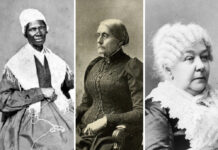
One cannot overlook the role of intersectionality within the suffrage movement. It prompted challenging conversations surrounding race, class, and immigration—all woven intricately into the very fabric of women’s rights. For women of color and those outside of the white middle-class paradigm, suffrage meant confronting a multiplicity of challenges. It wasn’t simply about winning the vote; it was also about dismantling systemic barriers that curtailed their agency. The voices of African American suffragists, often muted in historical narratives, emerged as vital components in contesting the narratives crafted by predominantly white suffrage organizations.
As we reflect upon the implications of April 21, 1913, it becomes clear that this pivotal moment ignited a battlefield of ideas that reverberated for generations. The rhetoric surrounding women’s suffrage foreshadowed the modern conversations on gender equality, and the implications of this fervent debate transcended the fight for the ballot box. It charted new territories in understanding societal roles, agency, and the capabilities of women in the public sphere.
In the ebb and flow of this grand narrative, one thing is abundantly clear: the fight for women’s rights and equality cannily resembles a tapestry marked by both resilience and contestation. The voices of lawmakers and religious figures contributed significantly to the formation of public opinion and political landscapes. Their legacies stand as reminders and motivators for contemporary advocates who continue to challenge the status quo. The amplification of women’s voices reverberates beyond the confines of time, illuminating pathways toward ongoing societal transformation.
As the dust settled from these crucial debates, the significance of collaboration, conviction, and an unwavering spirit pushes liberated narratives forward. The history of suffrage is not an isolated incident; it is an ongoing journey—one that demands continual vigilance to ensure that the voices of women, especially those from marginalized communities, remain at the forefront of the calls for equity and justice.