As we stride into an era characterized by progressive empathy and justice, the recent FDA approval of a new generation IUD (intrauterine device) heralds a significant alteration in the reproductive rights landscape. This development, far from being merely a medical advancement, serves as a profound illustration of how reproductive autonomy and women’s rights are intricately tied. As feminists, it is vital to scrutinize this evolution, parsing through its implications not just for individual choice but also for broader societal structures that persistently undermine that autonomy.
The FDA’s decision signifies more than the endorsement of a medical device; it represents a clarion call for empowerment. This IUD is not just another contraceptive option; it is a testament to the ongoing struggle for reproductive justice. In an era where women’s rights are persistently challenged, examining this breakthrough from a feminist perspective reveals deep-seated societal narratives that still need to be confronted.
There exists a palpable irony surrounding the discourse on women’s reproductive health. For decades, systemic barriers have been erected, shaping women’s choices around their bodies and lives. The advent of this new IUD, touting efficacy and safety, begs the question: will this technological advancement translate into actual empowerment?
The New IUD: A Revolutionary Leap in Women’s Health
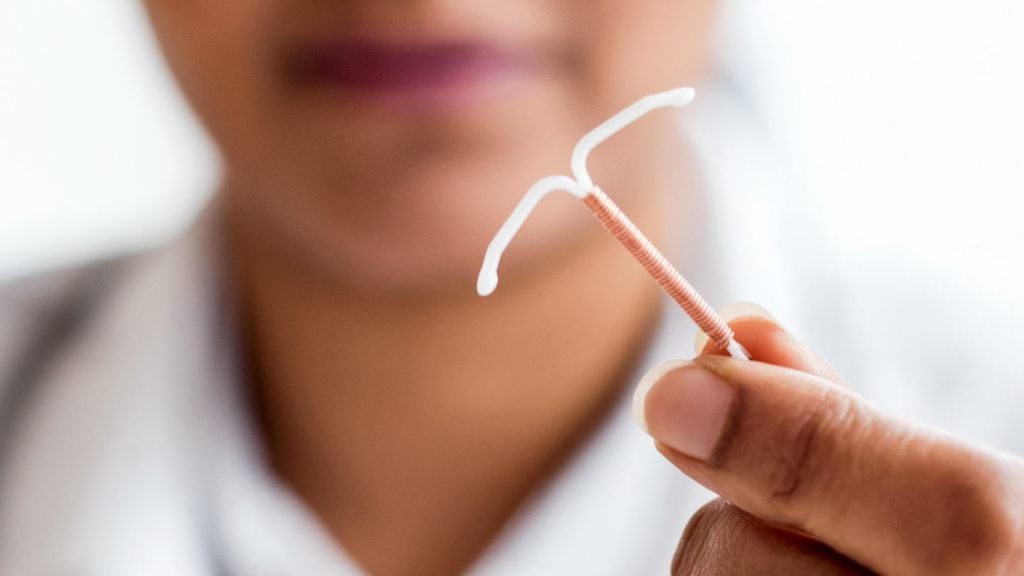
The newly approved IUD represents a monumental leap in the domain of women’s contraceptive choices. Its innovative design promises not only enhanced efficacy but also minimized side effects, an issue that has long plagued traditional intrauterine devices. Traditional IUDs often come with a cavalcade of complications, ranging from painful insertion to severe cramps, leading many women to avoid this option altogether. This new iteration aims to alleviate such concerns, presenting itself as a valid alternative.
In essence, women deserve the right to choose contraceptives that accommodate their lifestyles without fear of adverse effects. This advancement should be celebrated, but vigilance is paramount. Autonomy must extend beyond mere availability; it must embrace comprehensive education and access. Offering an array of choices without accompanying support is akin to throwing a life raft to a person in a stormy sea without teaching them to swim.
A Reformative Shift in Cultural Narratives
The approval of this IUD also resonates within the broader sociocultural context, questioning the age-old stigmas surrounding female sexuality and reproductive health. In patriarchal societies, contraception often becomes a battleground where women’s control over their bodies is under continuous scrutiny. By elevating discourse on IUDs, we challenge reductive narratives that condemn women to silence regarding their reproductive choices.
For too long, women’s health issues have been shrouded in embarrassment and misinformation. The emergence of this new IUD represents a bold rejection of the status quo. It urges society to re-evaluate how it perceives women who seek control over their reproductive destinies. Moreover, this device can facilitate conversations about familial planning and sexual health that have historically been taboo.
Yet, despite the potential for transformation, we must grapple with an uncomfortable truth: women of marginalized communities often remain on the fringes of these advancements. Access to reproductive health varies widely across socio-economic boundaries, and without concerted efforts to ensure that all women benefit from such innovations, they risk becoming yet another privilege reserved for the fortunate few.
The Complicated Landscape of Reproductive Rights
The approval of the new IUD could also serve as a substantial counter to the recent onslaught of regressive policies aimed at dismantling reproductive rights. With various states enacting restrictive laws that threaten bodily autonomy, this FDA decision can be seen as an encouraging flicker of hope amid concerning developments. The right to choose is under siege, and advancements in contraceptive technology can undermine those efforts designed to curb women’s autonomy.
However, the landscape of reproductive rights is fraught with complications. Women who wish to utilize this new generation IUD may still face barriers such as financial constraints, lack of insurance coverage, or even misinformation. In many areas, healthcare providers may lack training on providing these devices, presenting yet another hurdle for women in pursuit of reproductive autonomy. Herein lies the imperative for an integrated feminist approach that prioritizes access, education, and advocacy against patriarchal structures that impede progress.
Shaping the Future: Advocating for Equitable Access
The advent of this innovative IUD brings into focus a pressing need: advocating for equitable access across all sectors of society. Feminists must rally around this development, pushing for comprehensive healthcare reform that prioritizes reproductive rights as fundamental human rights. Ensuring affordable access to this and other vital health services is imperative to empower women universally.
Moreover, the conversations surrounding potential barriers should not end with the approval of the IUD. Instead, this pivotal moment should catapult broader discussions surrounding contraception. For instance, how does cultural perception shape the willingness to adopt such methods? How do we address the stigma that still pervades contraceptive use? By confronting these questions, we can guarantee that reproductive health advances become a universal celebration rather than an exclusive privilege.
The Intersection of Innovation and Activism
The recent approval of the new generation IUD presents a crucial intersection of medical innovation and feminist activism. As women continue to navigate the complex web of reproductive rights, the need for allies in both healthcare and advocacy grows more critical. Everyone can contribute to dismantling the societal narratives that diminish women’s autonomy and perpetuate discriminatory practices regarding reproductive health.
Feminism is not merely about advocating for rights; it is about fighting for freedom—freedom to choose, to control, and to live without fear or limitation. The FDA’s approval represents a progressive step, yet it is merely a foundation upon which we can build broader, more inclusive frameworks for reproductive justice. With each breakthrough, feminists must remain vigilant, pushing for systemic changes that reform not only access to contraceptive methods but also the very narrative that frames women’s bodies as battlegrounds rather than sanctuaries.
In conclusion, while the FDA approval of the new generation IUD signals advancement, it must catalyze a movement towards comprehensive reproductive justice that prioritizes the experiences of all women. The approval should serve as a reminder of the multifaceted nature of women’s rights, urging us to continue our fight against outdated notions that vilify women for exercising their autonomy. As we navigate this new terrain, embracing the full spectrum of feminist activism becomes imperative as we strive to ensure that reproductive health innovations truly benefit all women, not just the privileged few.