

















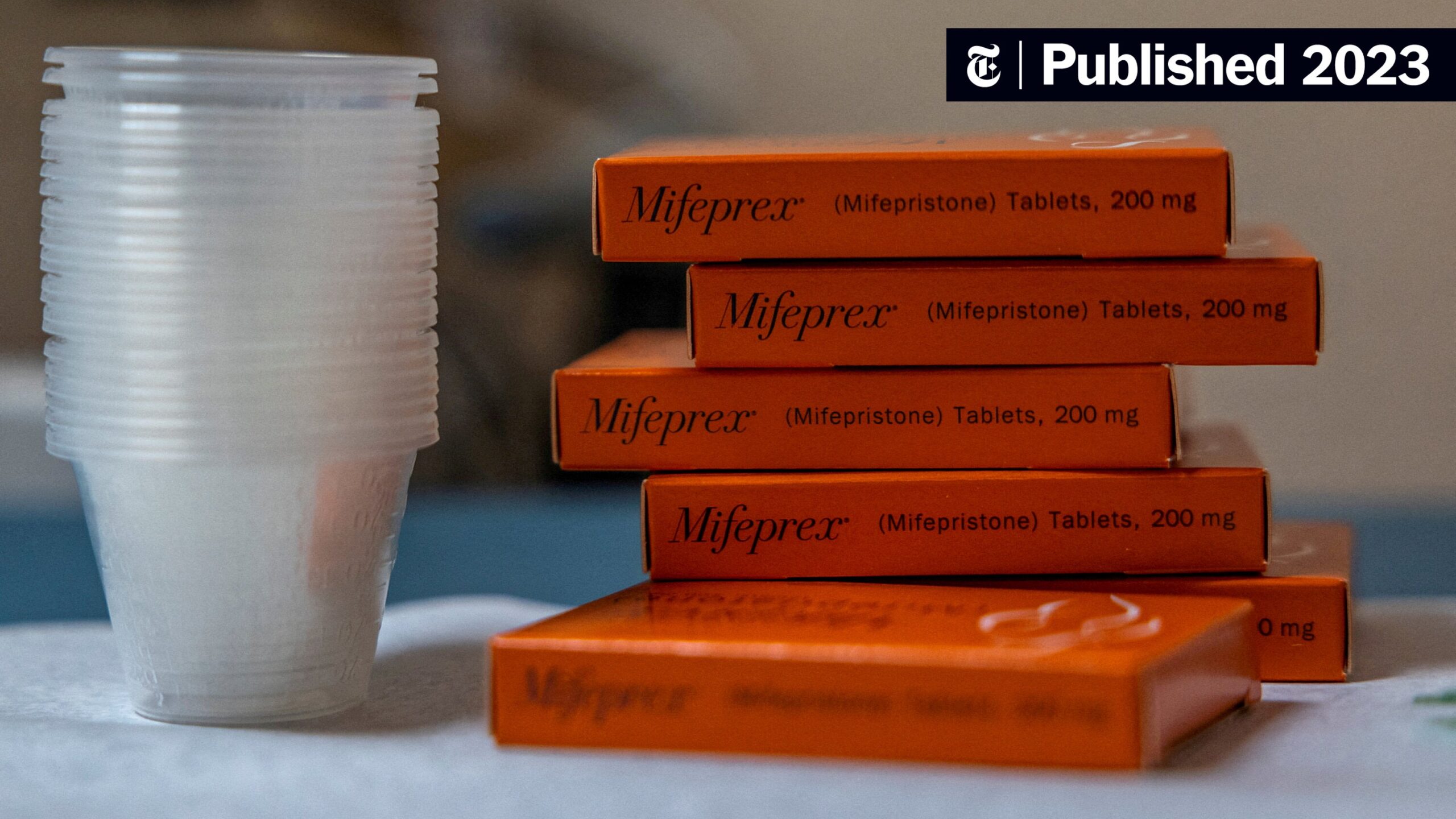
In an era fraught with political turbulence surrounding women’s reproductive rights, the Los Angeles Times has taken a bold stance, publishing an editorial that fervently supports mifepristone amidst mounting FDA scrutiny. This move isn’t merely about a medication; it’s a clarion call for bodily autonomy, a reflection of a broader feminist ethos that embraces not just choice but also scientific integrity and women’s health. The implications of this endorsement reverberate through the intersections of feminism, healthcare, and human rights.
The editorial underscores a critical truth: the fight for reproductive rights is far from over. It recognizes mifepristone, a drug that has operated under FDA approval for over two decades, as an emblem of progress that should not be dismantled by political machinations. This is more than a healthcare issue; it is inherently tied to the feminist struggle for sovereignty over one’s body and autonomy in healthcare decisions.
As we delve deeper into the ramifications of the LA Times’ support for mifepristone, it is essential to grapple with both the historical context and the contemporary challenges that women face in securing their reproductive rights. The lens of feminism illuminates the nuances of this battle, revealing a landscape that is as complex as it is critical.
Understanding the significance of mifepristone requires an exploration of the political landscape regarding reproductive health and the longstanding criticisms directed at the FDA. Mifepristone’s approval in 2000 revolutionized reproductive health, providing a non-invasive option for terminating a pregnancy. Over the years, however, it has been ensnared in hyper-political discourse, with opponents often fueled by ideological rather than scientific motivations. This dichotomy between politics and medical facts necessitates a feminist analysis, grounding the discussion in experiences rather than narratives concocted in boardrooms devoid of female perspectives.
The role of the FDA in regulating such an impactful drug cannot be understated. Criticism of its approval processes often masks deeper societal and political grievances regarding women’s health. The recent scrutiny falls squarely within a historical framework that seeks to control women’s bodies under the guise of “protecting” them. Feminism implores us to question: who benefits from these regulations, and at what cost? The implications extend beyond individual choice; they threaten collective rights and the very foundation of gender equality.
In supporting mifepristone, the LA Times positions itself on the side of not only women’s choice but also scientific thought. The narrative that demonizes abortion pills often arises from a deep-seated misogyny, a refusal to accept that women can, and should, govern their reproductive destinies. Thus, the ruling made by various lawmakers and certain factions within healthcare is an affront to not just women but also to evidence-based medicine.
This backdrop creates fertile ground for a feminist critique of the reactions to mifepristone. When examining the push against its continued availability, it’s essential to recognize that limiting access to reproductive healthcare is a form of systemic oppression. The vehement opposition often glosses over the testimonies of women who have benefitted from mifepristone. Each story encapsulates the essence of choice – a fundamental tenet of feminism that advocates for women’s freedom from patriarchal constraints.
Furthermore, the LA Times editorial also serves as a stark reminder of the intersectionality that is crucial for contemporary feminism. The fight for mifepristone is not solely about women who have the means to seek abortions; it is about marginalized groups who are disproportionately affected by restrictive policies. Women of color, those in lower socioeconomic brackets, and marginalized communities bear the brunt of legislation that seeks to curtail reproductive rights. Without access to medications like mifepristone, the cycle of inequality continues unabated. Feminism must fight for the rights of all women, particularly those who are least heard and frequently overlooked.
The editorial’s proclamations also reverberate amidst a cacophony of voices calling for an understanding of the nuances surrounding abortion access. By amplifying the discourse around mifepristone, the LA Times encourages a deeper understanding among the general public regarding the multifaceted implications of these laws. Education is empowerment; the more individuals comprehend the realities of reproductive health, the more apt they are to challenge the status quo that seeks to infringe upon those rights.
Yet, the endorsement of mifepristone is not without its challenges and potential backlash. As we navigate these turbulent waters, it is paramount to recognize the robustness of responses that may surface from conservative factions eager to uphold traditional values. Various states have already enacted stringent regulations, effectively stymieing progress. This leaves reproductive rights advocates with the inevitable task of mobilizing and organizing around one fundamental truth: healthcare should not be a battleground.
Moreover, the backlash to the LA Times’ editorial highlights an overarching theme in the feminist movement: vulnerability. Women have historically occupied a space of vulnerability when it comes to reproductive health discussions, subject to shaming, misinformation, and discriminatory policies. The support for mifepristone stands as a defiance against this vulnerability, advocating for an environment where women can make autonomous decisions regarding their health without fear of stigma or retribution.
In summation, the LA Times’ editorial that boldly endorses mifepristone amid FDA scrutiny is more than merely a call to action; it is a fundamental stance on the side of women’s rights, evidence-based medicine, and freedom from oppression. Feminism calls not only for choice, but for the dismantling of barriers that impede access to reproductive healthcare for all women. As the struggle intensifies, this editorial serves as a reminder of the importance of solidarity in the feminist movement and the pressing need to uphold the rights that have been hard-fought. We must remain vigilant, continuing to advocate for reproductive justice across intersecting identities while ensuring that women’s voices dictate the conversation surrounding their health. The fight advances, and it is critical that we carry forward the banner of freedom and empowerment for every woman.