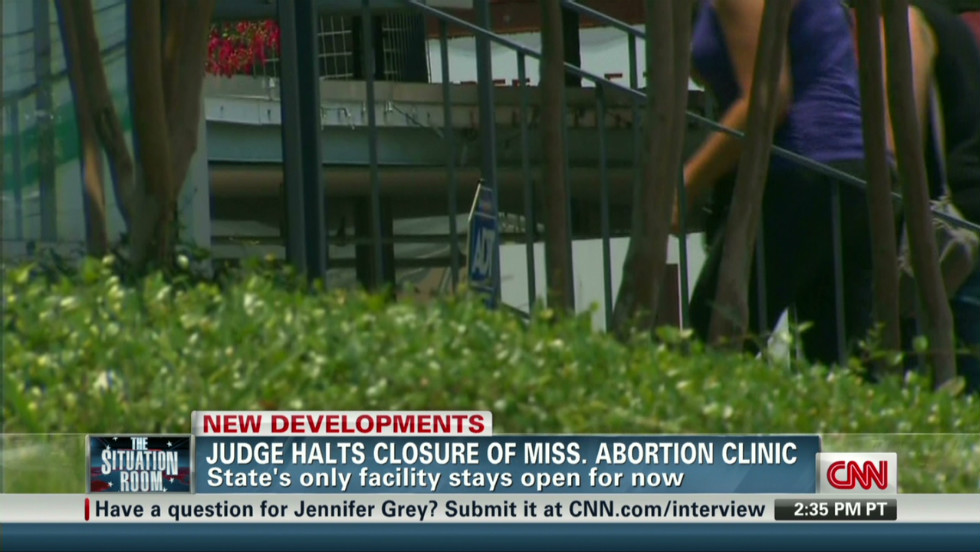
In the heart of Mississippi, a grim narrative unfolds—one that is steeped in arduous legal battles and a resolute commitment to reproductive rights. At the center of this controversy lies the state’s sole remaining abortion clinic, a bastion of choice, suffocated by a deluge of legislative constraints and a conservative ethos that pervades the region. The fight to keep this clinic open is not merely a struggle for reproductive health; it is a galvanizing moment for feminism, embodying the relentless quest for autonomy, agency, and the imperative of choice.
The survival of Mississippi’s lone abortion clinic is emblematic of a broader war on women’s rights, with legislators deploying a barrage of restrictive measures that challenge not just access to abortion, but the very framework of female empowerment. Can a state whose laws pursue to undermine women’s reproductive freedoms truly claim to champion equality? This question reverberates throughout the ongoing discourse.
As we delve into the intersections of bodily autonomy, legislative overreach, and feminist resistance, we must illuminate the complexities surrounding this vital issue. Let us embark on a thorough exploration of the implications and intricacies of perpetuating these legal encroachments on a woman’s right to choose.
The Legal Quagmire: Dissecting the Legislative Landscape
Mississippi’s legislative endeavors against its only abortion clinic are steeped in a cacophony of laws meticulously crafted to hinder access to vital reproductive health services. The clinic has faced a relentless series of legal challenges, which has resulted in a menacing atmosphere for patients and healthcare providers alike. Regulations that ostensibly promote patient safety are often thinly veiled attempts to impose barriers that disproportionately affect women.
This is not a mere legal tussle; it’s a calculated assault on personal freedom. Laws mandating unnecessary ultrasound requirements or imposing excessive regulations that clinics must comply with lead to logistical nightmares, further exacerbating the vulnerability of low-income women—those who are often the most affected by such inaccessibility. This tactic not only limits healthcare access but also reveals an alarming disregard for women’s autonomy over their own bodies.
At the heart of this legal quagmire lies a profound question: Who should wield authority over a woman’s reproductive decisions? The attempt to constrain choice through legislative measures is an insufferable denial of the very principles of democracy and individual rights. Women are not vessels to be regulated; they are individuals deserving of the same rights as anyone else.
The Anatomy of Resistance: Feminist Activism in Action
In the face of this onslaught, feminist activists have risen with indomitable tenacity. United in purpose, advocates are harnessing grassroots movements, social media campaigns, and legal challenges to defend the clinic’s existence and, by extension, women’s rights. The narrative of resistance is burgeoning into a collective consciousness that refuses to be silenced.
Activism manifests in various forms—protests, art, and educational outreach, each a vessel for mobilizing communities around the issue of reproductive rights. These efforts illuminate the interconnected struggles for gender equality, socio-economic justice, and racial equity. Feminism, thus, is being redefined in Mississippi, evolving into a robust coalition of voices that prioritize dignity, respect, and choice.
Crucially, the fight is not confined to the walls of the clinic; it extends throughout the community. Educating individuals about reproductive rights fosters an environment where misinformation cannot thrive. Conversations that challenge the stigma surrounding abortion and amplify the intricacies of the healthcare system become essential. The clinic serves as both a refuge and a rallying point for advocates determined to steer the public discourse towards empathy and understanding.
Empowerment Through Choice: Redefining Womanhood
The struggle to maintain Mississippi’s only abortion clinic transcends mere legal ramifications; it speaks to the core of womanhood itself. The right to choose is intrinsically linked to a woman’s identity, autonomy, and empowerment. When women are granted the agency to make decisions about their own bodies, they can redefine their roles in society.
This dynamic of choice, however, is not uniformly available. A woman’s access to reproductive healthcare can be profoundly influenced by socio-economic status, race, and geographical location. Hence, the fight for the clinic is also a fight for marginalized women who face increased barriers to accessing care. The intersectionality of privilege and oppression must inform the feminist movement—acknowledging that reproductive rights are fundamentally human rights necessitates inclusivity in advocacy.
Moreover, the prevailing narrative surrounding abortion often ignores the multifaceted reasons women seek these services. It ranges from health complications to financial barriers, underscoring the necessity for understanding and supporting diverse experiences. When women are cornered into silence by stigmatization, it hinders progress and damages the very fabric of feminist discourse.
Confronting Misconceptions: The Case for Abortion
The dialogue surrounding abortion is littered with misconceptions that can distort public perception. The reality is that abortion is a safe medical procedure, endorsed by prominent health organizations, yet the prevailing stigma often positions it as a moral failing. Feminism must endeavor to challenge these harmful narratives, elucidating the inherent rights related to reproductive choices, which encompass the right to comprehensive reproductive healthcare without judgment.
Furthermore, the stark reality of unplanned pregnancies highlights the need for accessible healthcare and contraception. Comprehensive sex education and contraceptive access remain under threat in various states, perpetuating cycles of poverty and systemic inequality. The fight to sustain the clinic is, therefore, a stand against these pervasive issues—it is about championing holistic healthcare that encompasses the spectrum of reproductive needs.
As individuals rally to protect this clinic, they engage in a critical dialogue about the larger context of women’s rights. The fight for accessibility is a fight for respect, a rejection of paternalistic governance that seeks to undermine the legitimacy of women’s decisions. It is about demanding that women be seen not just as mothers or expectant parents but as autonomous beings with the right to chart their own destinies.
The Future of Feminism: A Call to Action
What lies ahead for Mississippi and, indeed, the nation is contingent upon collective commitment. As the clinic confronts its legal battles, it becomes an inflection point in the broader feminist movement. The rallying cry to support this enclave of women’s health extends beyond state lines; it calls upon individuals to recognize the systemic issues at play and galvanize for change.
Every protest, every conversation about women’s rights is significant. The investment in the clinic signifies a belief in a future where women can assert their autonomy. The urgency of the moment cannot be overstated—failure to act is a tacit acceptance of the status quo, a status quo that continues to marginalize women’s voices. It invites an insidious perpetuation of silence at the expense of liberty.
Thus, the resolution to protect Mississippi’s only abortion clinic is not just about maintaining healthcare availability; it is about upholding the tenets of feminism that advocate for justice, equity, and diversity. This ongoing fight beckons society to envision and create a world where women’s choices are honored and respected, where every woman can seize her right to decide her path.