In a world where borders blur like the edges of a watercolor portrait left too long in rain, we find ourselves standing precariously close to the precipice of old certainties. Consent, that fragile and often fragilely grasped cornerstone of feminist discourse, has been forced to undergo a baptism by fire in the chaos of collective anxiety that is a global pandemic. The masks we pulled on to stop a virus have ironically stripped naked a system once blind to vulnerability. What we thought we knew about respecting autonomy, bodily integrity, and the sacred ‘yes or no’ dichotomy cracks under scrutiny. Is it time to abandon the flawed blueprint of consent as we’ve come to know it? Perhaps. Let’s strip consent of its mythos and reclaim it—not as a technicality, but as a pulsating, ever-evolving constellation of lived truth.
When the “Ask Before” Script Became an Oxymoron
Consider the modern narrative around consent: a script that assumes every interaction, from handshakes to hugs, must be accompanied by a whispered query—”Is this okay?” This isn’t just a chore; it’s a performance, a way of making intimacy an act of legal compliance rather than human warmth. Pandemic times laid bare the grotesque absurdity of this framework. In the midst of a world where touch was both forbidden and inevitable, we realized the world is rarely just black-and-white. Touch had always been a slippery slope of consent—some of it requested, some unspoken because the entire interaction hinges on a collective understanding. But our rigidity meant we had no way to navigate those unspoken currents.
Yet, this revelation should unsettle us. The truth it exposes is darker still: every act of “verbal consent” often hides a deep cultural mandate where some bodies are inherently more consentable than others. Whose silence about their discomfort matters? Who gets accused of “manufacturing drama” when their boundaries are violated? The pandemic shined light on systemic power imbalances, and it is within this exposed dark that we must ask: Could a ‘flawless’ system of consent have predicted—or stopped—the horrors we’ve witnessed unfolding in masks and quarantines? Perhaps not. But this isn’t excuse to continue in denial.
The ‘Softened’ Language of Affirmation: Why “No” Needs No Apologies
The problem with traditional consent narratives is that they often treat bodies as static entities that need permission like a government approving a building permit for an addition. But bodies are not bricks to be measured for compliance. What if we began to understand consent not as a mechanical question but as an ongoing negotiation? As feminists, we’ve long held that “no” isn’t just valid—it’s inviolable. But the subtleties of “maybe” or “I’m unsure” have been left too much in the margins. What happens when a body communicates resistance through hesitation rather than refusal?
In the pandemic’s constrained world, a friend’s awkward hesitation when you extend your coffee mug could be a plea. It might mean ‘I don’t want to offend you’ or ‘I’m physically uncomfortable.’ But we’ve been taught to misread such pauses as consent. The art of ‘soft refusal’ has been erased by the rigid expectations of a ‘clear yes equals good, anything else equals chaos’ script. We’re left with victims shamed for their ‘poor communication skills,’ while predators continue to play the part of ‘unassuming’ suitors.
Power Imbalance in the Air: The Unseen Architect of Boundaries
The pandemic forced us to confront the idea that consent can be an uneven trade. The relationship between the person requesting and the person granting consent isn’t a handshake; it’s often one of power disparity. The waiter offering food on a sterile tray shouldn’t be asking if we’re hungry—he’s providing. That isn’t a negotiation; it’s an obligation. In a time when masks meant voices were no longer barometers of emotion, we glimpsed the truth that power dynamics aren’t just between individuals—they’re structural. And yet, feminism has been trapped in a paradox: we’ve weaponized consent to challenge men’s behavior while neglecting the fact that systems of power often conscript our bodies against our will every day.
The Illusion of ‘Clear’ Consent: A Specter of Misunderstanding
The demand for ‘clear consent’ in every interaction—from a friend’s touch to a roommate’s proximity—may reveal a deeper anxiety about control. But it’s a fantasy, a fragile edifice built on the illusion that any given moment can be reduced to a yes or a no without the backdrop of cultural conditioning. When we insist on ‘verbal or explicit consent,’ we’re often clinging to a narrative that absolves systemic accountability. A ‘no’ shouted in the moment of violation is crucial; but what of the ones who never get that chance? What of the ones whose ‘maybe’ gets translated by systemic scripts into ‘no you’re overreacting’? The system doesn’t accommodate for the ‘I didn’t know how to say no, but I wanted to mean yes.’
Consider a new kind of consent language: an active one that allows bodies to say, “I am not a yes or a no; I am a shifting constellation of feelings, limitations, and desires, and these change.” Our current framework for consent is inadequate not because it seeks clarity but because it refuses to acknowledge ambiguity as a fundamental part of any humane exchange.
Unraveling the ‘Pandemic Paradox’: How Forced Proximity Rewrote Human Connection
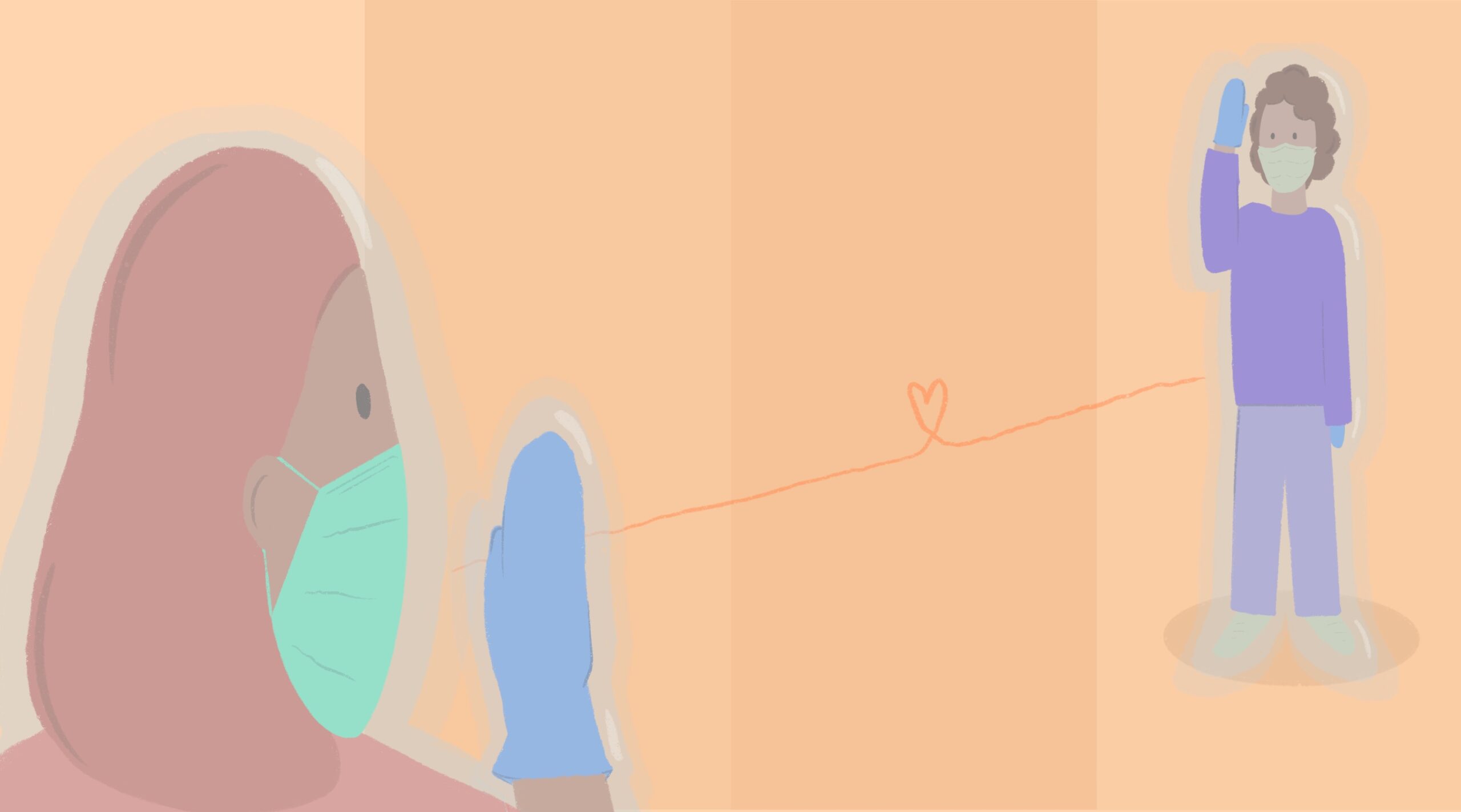
The masks that safeguarded us from disease also made consent feel like a performance on a silent stage. We couldn’t read lips or witness the micro-expressions of discomfort. This isn’t just an issue of visibility—it’s exposure. The paradox is that by removing so much from the script, we were forced to feel the unscripted nature of human closeness. But it’s precisely in this absence of scripts that we can reimagine consent. What if we didn’t just demand ‘clear signals’ but began to acknowledge that consent is both personal and environmental?
The Feminist Manifesto for a New Era: Beyond the ‘Yes or No’ Dichotomy
At the heart of the consent revolution lies a bold question: If we accept that consent is not a checklist, but a dynamic understanding of mutual respect, what then? To redefine rape—and thus, consent—we must challenge the very logic that lets systems like ‘blaming the victim’ or ‘miscommunication’ dominate the discourse. Here’s what a new framework might look like:
- Consent is Communal: Our bodies don’t exist in a vacuum. If a body is harmed in proximity to an abusive power system (domestic violence or workplace harassment) consent becomes a collective responsibility. Yes, the individual has to say no—but the structures that enable the environment to force consent must be dismantled.
- Negotiation Over Perfection: The idea that there cannot be a ‘maybe’ or ‘I’m not ready’ must be abolished. Consent shouldn’t function like a credit check—either you meet the threshold or you’re denied interaction. It’s a messy spectrum.
- Consent is Self-Care: True feminists know the act of setting boundaries isn’t just about stopping abuse; it’s an act of self-preservation. This self-care model means consent is an essential need, not a concession.
- Accountability Over Apologies: A ‘clear consent’ paradigm encourages survivors to make excuses for being heard, when what they need is a system that values their truths before it seeks nuance. If a man asks a no for clarification, the fault isn’t the woman—the fault lies in a world where the only response to disagreement is apologies, not respect.
This is not to dismiss the gravity of a rape accusation. No, accountability must include. But the current script—where the ‘unclear nature’ of consent is always the victim’s burden to decode—reveals an obsession with control that is itself a form of violence. To redefine rape, we must first accept that the real crisis is our collective unwillingness to recognize ambiguity within intimacy, within proximity, within the everyday.
The Resistance Begins in the Quiet Moments: Small Acts, Big Change
The pandemic taught us that human connection has a fragility. It’s in these moments—to hesitate before hugging, to ask again whether the handshake is welcome—that resistance begins. Feminist redefinition doesn’t emerge from grand speeches or policy debates alone; it starts with the simple act of treating others as complex. It’s the choice to understand the woman who laughs but doesn’t return eye contact on her boundary. It’s hearing the man whose voice trembles when admitting ‘I didn’t see it because I wanted to’. Consent isn’t a transaction—it’s a human commitment to mutual understanding.
So we take each ‘I’ll think about it’, each paused breath, as our opening. Let’s stop fetishizing clarity and start demanding humanity.