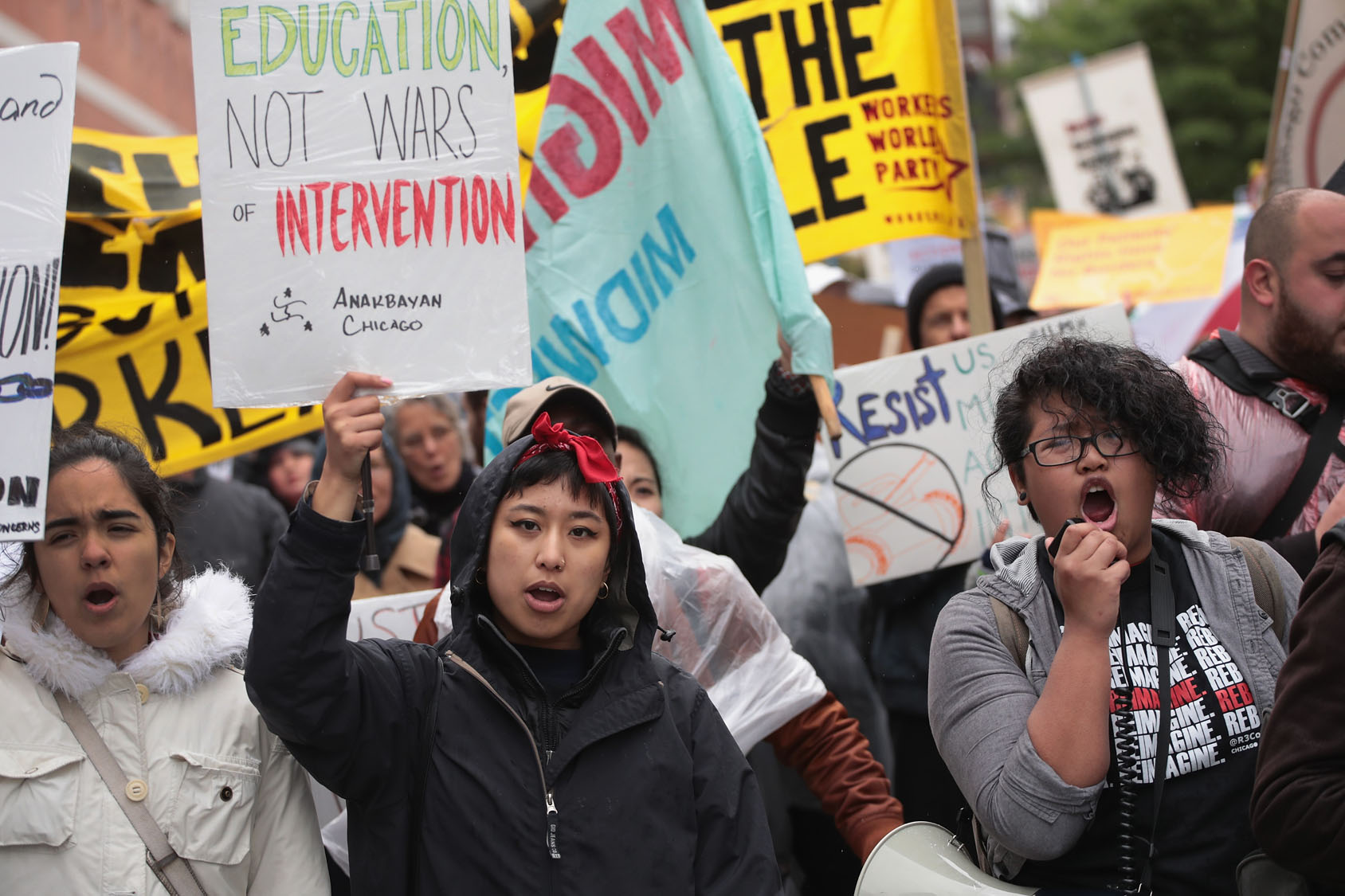
As the sun rose on May Day, a vibrant tapestry of voices emerged from across the nation, converging in a symphony of solidarity aimed at uplifting the marginalized and advocating for the rights of the working class. Historically, May Day has served as a powerful catalyst for labor rights. This year, it transcended its conventional boundaries. The protests galvanized not only workers but also women, who are often at the intersection of systemic oppression and labor exploitation. This is a unique narrative—a narrative that warrants an in-depth exploration through a feminist lens.
In understanding how the protests unfolded, it’s crucial to dissect the multifaceted nature of labor rights through feminism’s prism.
Amidst the sea of placards and passionate chants, a stark reality emerges: women are disproportionately represented in low-wage jobs. The struggle for fair pay and equitable working conditions is not just a matter of labor rights; it is intrinsically a feminist issue. Women, particularly those of color and from marginalized communities, occupy the majority of precarious employment positions, which often lack the basic protections afforded to full-time workers. The marchers aren’t merely rallying for the right to work; they are amplifying cries for social justice, equity, and dignity in the workforce.
But what does labor activism look like when viewed through a feminist lens? To comprehend this, we must first delve into the historical intersectionality of feminism and labor rights.
Feminism and the Labor Struggle: A Shared History
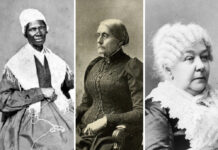
An exploration of feminism’s evolution reveals an inextricable connection to the labor movement. The early suffragists were not just fighting for the right to vote; they were advocating for better working conditions, fair wages, and the right to work. The Women’s Trade Union League, founded in 1903, cleverly wove together women’s rights with labor rights, recognizing that these struggles were symbiotic. This historical context is instrumental in understanding the current protests. It reaffirms that women have always been on the forefront of labor rights activism.
The contemporary May Day protests evoke this rich history. Feminists today remind us that achieving gender equity is inextricably linked to economic justice. With the specter of systemic inequality hovering above, it becomes essential to highlight that the fight for workers’ rights is a fight for women’s rights. Both labor and feminist movements must unite; to transcend divisions and recognize mutual goals. Ending the gender pay gap and advancing workplace protections are not merely feminist ideals—they are essential aspects of labor rights.
This coordinated effort compels us to examine the ways deep-rooted patriarchal structures continue to shape and dictate not only the labor market but the experiences of women within it.
The Gendered Nature of Labor Exploitation
The current workforce illuminates a persistent reality: labor exploitation is often distinctly gendered. Women are overrepresented in sectors such as hospitality, retail, and caregiving, roles that are less likely to provide benefits, stability, or fair wage compensation. The disproportionate impact of economic exploitation on women, particularly those belonging to indigenous and immigrant populations, cannot be overstated. Such realities necessitate a serious interrogation of the concept of labor rights—a conversation that must include an understanding of how systemic sexism and racism intersect with economic exploitation.
The May Day protests sought to bring these injustices to the forefront of public discourse. Organizers championed the cause by emphasizing the plight of women workers, whose stories of struggle and perseverance shaded the observable narrative of a ‘workers’ movement.’ Each chant for “fair wages” reverberated against the backdrop of historic oppression. The synergetic alignment of labor rights with women’s rights was palpable; there was no partition between the two. However, it is essential to recognize that while both labor and feminist movements aspire towards justice, they sometimes face challenges in fully embracing the multifaceted nature of their shared struggle.
The question then arises: how can we cultivate a more inclusive and intersectional approach towards workers’ rights?
The Path Forward: Intersectionality as a Framework
Intersectionality, a term coined by Kimberlé Crenshaw, offers a robust framework for analyzing the complex layers of discrimination faced by individuals at the intersection of multiple identities. In the current labor landscape, this lens is not only illuminating; it is imperative. Activists and organizers must embrace intersectionality to create a more cohesive movement, one that recognizes the different struggles faced by various marginalized groups.
At the core of this movement is the understanding that struggles are not solely individual; they are communal. Only through a nuanced understanding of diverse experiences can systemic change occur. The plight of women workers cannot be addressed in isolation; it necessitates an inclusive approach that incorporates the narratives of those impacted by race, class, and immigration status. This alignment strengthened the protests on May Day, demonstrating that a cohesive movement is grounded in shared experiences and collective resilience.
To elevate the voices of all women—especially those who are often rendered voiceless—a more comprehensive framework must be established. Advocacy should center on not just achieving wage parity but on dismantling oppressive structures that allow for exploitation. The protests were a crucial moment in forging connections and reaffirming commitments to an intersectional fight for justice.
A Call to Action: Solidarity Beyond the March
The fervor and passion witnessed on May Day extend beyond the confines of a single day of protest; they should incite a movement that is lively and resolute. Activists must mobilize to keep the momentum alive—this includes building coalitions across various spectrums of activism to ensure that workers’ rights and women’s rights are treated as mutually reinforcing. This work is ongoing; the challenges are formidable, and the stakes are high.
Solidarity must be rooted not just in rhetoric but in actionable steps. From advocating for comprehensive labor laws that specifically address the needs of women to support systems and networks for those marginalized within the workforce, there exists a trove of opportunities to challenge the status quo. Engage widely with communities, educate allies, and create spaces for dialogue, fostering a landscape where feminist ideals flourish alongside labor rights. May Day is but a powerful reminder of this potential.
As the curtain draws on the May Day protests, the lessons gleaned from the convergence of voices must not dissipate. Rather, they should coalesce into demands for structural change that resonate far beyond economic security. The fight for labor rights and women’s rights is intertwined, and they reflect a larger struggle for human dignity and equality. When the voices of workers rise, let them echo in concert with the foundations of feminism, creating a relentless tide that sweeps aside oppression, injustice, and inequality. The journey is ongoing, fueled by every fist raised in solidarity and each heart that beats for justice.