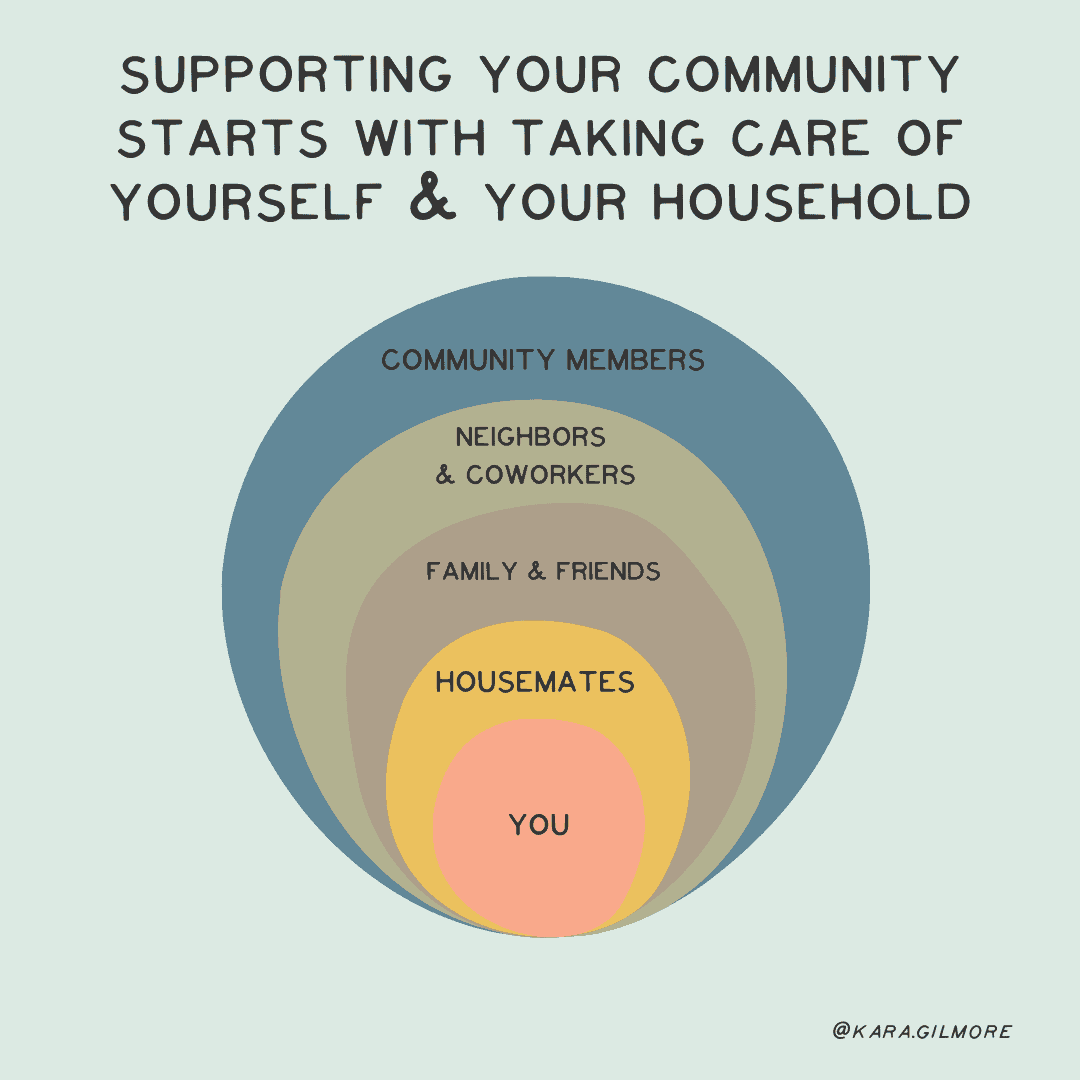
Self-care has emerged as a ubiquitous mantra in feminist circles and beyond, touted as the antidote to burnout, the balm for anxiety, and the revolutionary act that reclaims autonomy. Yet, beneath this glossy veneer lies a perplexing contradiction: self-care is often commodified, individualistic, and, paradoxically, isolating. The fascination with self-care is undeniable—it promises empowerment wrapped in bubble baths, meditation apps, and devotion to ritualistic wellness. But why has this seductive concept, framed as a feminist victory, become an almost compulsive obsession? The answer might lie not in the sanctity of the ‘self’ but in recognizing that what’s truly revolutionary, and necessary, is community care. The distinction is not merely semantic. It is a fundamental reorientation of how resistance, healing, and survival manifest within feminist practice.
The Illusion of Self-Care as Radical Feminism
Self-care is often presented as a radical, feminist act—a way to counteract the oppressive structures that drain and diminish. This framing is seductive because it places power directly in the hands of the individual. “Take care of yourself,” the message insists, as though salvation were as simple as candlelit solitude or Instagrammable face masks. But this foregrounding of the individual obscures a deeper structural truth: the very need for self-care arises from systemic exploitation and social neglect.
Self-care, in its mainstream iteration, is paradoxically a method of self-management within a neoliberal system that demands productivity from bodies and minds but offers little in the way of collective support. It venerates moments of personal indulgence without challenging the foundations of social inequity. The focus is on managing stress so the individual can soldier on, rather than dismantling the conditions that cause that stress in the first place. In this way, self-care becomes a Band-Aid on trauma rather than a scalpel for systemic change.
Why Community Care Surpasses Self-Care
Community care reframes survival and resistance as a communal endeavor. It thrives on interdependence, shared vulnerabilities, and mutual aid—concepts at odds with the rugged individualism self-care promotes. Historically, feminist movements have championed collective action as an antidote to oppression: consciousness-raising groups, mutual support networks, and cooperative political activism illustrate this paradigm.
Community care refuses to isolate the “self” as an autonomous fortress. Instead, it recognizes that healing does not occur in a vacuum but flourishes in relationships and solidarity. When burdens are shared, resilience is magnified. Community care also democratizes labor: caregiving, emotional support, and resource exchange are collective responsibilities, not modules of self-improvement apps or personal routine checklists.
Commercialization and the Capitalist Co-optation of Self-Care
One cannot ignore how the capitalist machine has exploited self-care’s feminist promise. What began as a radical reclaiming of personal autonomy has been appropriated as a marketable commodity. Wellness industries now churn endless streams of products and services that promise “self-care” but deliver consumerist escapism. Sell yourself a new essential oil, a 30-day yoga challenge, or luxury skincare, and you are “caring for yourself.”
This commodification divorces self-care from its political context and repackages it as just another transaction. The glossy packaging and aspirational marketing create an illusion of empowerment but ultimately serve capital accumulation. Meanwhile, the deeper wounds inflicted by societal inequities—the stress of precarious labor, the exhaustion of unpaid caregiving, the toll of discrimination—remain unaddressed. The self-care industry thrives on these cracks without attempting to mend them.
The Psychological Toll of Self-Care’s Individualism
The overemphasis on self-care as a solo endeavor carries psychological consequences. For many, it cultivates an internalized pressure to “fix” themselves, to manage their mental health and well-being alone. This approach neglects the cultural, racial, and economic factors that shape wellness disparities. When self-care rituals fail to alleviate deep-seated pain, the individual is often left feeling inadequate or guilty.
In contrast, community care offers a relational scaffold that normalizes seeking help, sharing burdens, and recognizing collective trauma. It creates a safe container where emotional labor is distributed and not stigmatized. This shift from isolated responsibility to shared accountability transforms the psychology of care from survival under duress to active flourishing.
Feminism and the Ethical Imperative of Interdependence
At its core, feminism interrogates power dynamics and seeks equitable redistribution of not only material resources but also emotional and social capital. Community care aligns precisely with this ethic. It cultivates a political imagination where interdependence is celebrated rather than feared. It challenges the myth that autonomy necessitates isolation and instead advocates for connectedness as a source of strength.
Redefining care in feminist terms means expanding beyond the privatized self toward collective liberation. It requires acknowledging that none of us thrive in solitude, particularly those marginalized and overburdened by intersecting oppressions. Feminist community care is thus both a practice and a manifesto: care as resistance, care as rebellion, care as the foundation of justice.
Enacting Community Care: Practical Steps Toward Collective Healing
Understanding the primacy of community over individualism is only the beginning. Enacting community care requires intentionality and structural creativity. It involves creating spaces—physical and virtual—where trust and reciprocity can flourish. Mutual aid networks, cooperative housing, shared childcare, and affinity groups are concrete manifestations of this ethos.
Moreover, community care demands attentiveness to intersectionality. Practices must honor the differential access to resources, the varied histories of trauma, and the multiplicity of identities. It means listening deeply, distributing power horizontally, and creating systems responsive to collective needs rather than individual desires. This labor is complex and ongoing but indispensable for sustainable healing and transformation.
Conclusion: Moving Beyond Self-Care’s Mirage
Feminism’s enduring challenge is to reconcile the personal and the political, the intimate and the structural. The popular obsession with self-care often obscures this dialectic by isolating the individual from their social context. Recognizing self-care as a partial, and frequently inadequate, response to systemic harm opens the door to a more expansive, radical vision: one where care is shared, burdens are communal, and healing is collective.
Community care is not a quaint ideal but a necessary practice—a refusal to be complicit in structures that isolate and exploit. It disrupts the commodification of wellness and restores care to its ethical, political foundation. Feminism’s path forward lies in nurturing interdependence, catalyzing mutual aid, and reclaiming care not as a private luxury but as a collective imperative.