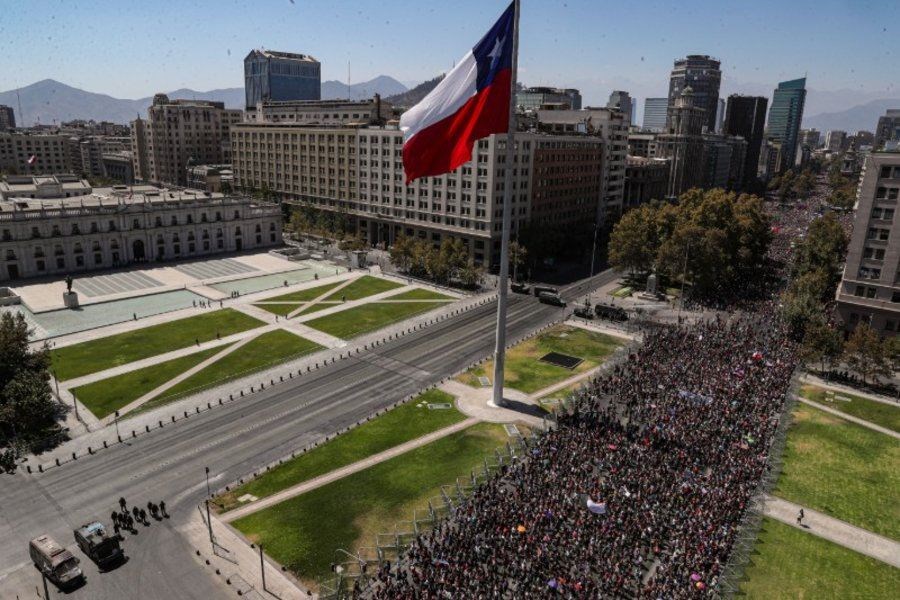
The cacophony of voices echoing through streets worldwide serves as a poignant reminder: the struggle for equality and justice in the feminist arena is far from over. The World March of Women, an audacious manifestation of collective defiance, amalgamates diverse narratives into a singular plea for justice and unwavering equality. This global movement transcends borders and cultures, illuminating the intricate tapestry of women’s experiences across the globe. As the movement gains momentum, it compels us to engage deeply with its implications and to recognize the urgency of its message.
Unity in Diversity: The Global Landscape of Feminism
Feminism is not a monolith; it thrives on the rich diversity of voices and experiences that it encompasses. The World March of Women epitomizes this collective struggle, where women from various backgrounds converge, armed with their unique narratives, yet united in a shared mission. From metropolitan centers in the West to marginalized communities in the Global South, women are weaving together a narrative that emphasizes the importance of intersectionality.
This global march emerges not just as a protest but as a celebration of resilience. Women marching shoulder to shoulder signify a commitment to dismantling oppressive structures. The banner of feminism is held high not solely in urban centers or affluent countries but in areas often neglected and marginalized. The voices echoing through these marches serve as testament to the myriad challenges women face, from economic disparities to systemic violence, each case compellingly unique yet inextricably linked to an interconnected struggle against patriarchal systems.
In the contemporary climate of rising authoritarianism around the world, the march is particularly poignant. Women’s rights, long fought for, are under siege, as reactionary politics attempt to roll back progress. However, instead of retreating, women are rising up with renewed vigor. The movement’s resonance in 2023 underscores a revitalized commitment to confront and dismantle pervasive inequalities, positioning women not as passive recipients of rights but rather as powerful agents of change.
Decoding the Feminist Agenda: A Call for Justice
The tenets of the World March of Women are not merely aspirational; they call for concrete changes that influence policy and shift societal norms. Central to this dialogue is the call for an intersectional understanding of feminism, which recognizes that the struggles faced by women of different races, ethnicities, and socio-economic backgrounds are profoundly intertwined. This inclusive approach resonates deeply in 2023, a period where systemic inequalities are starkly illuminated by global crises including the pandemic and economic instability.
Feminists today advocate for justice across multiple fronts: reparative justice, financial equity, and a re-examination of patriarchal narratives that have long disempowered women. Whether through grassroots activism or high-profile advocacy, the message remains consistent: women must not only have a seat at the table but be central to the conversations that shape their destinies.
Moreover, the World March of Women boldly challenges the commodification of female bodies and experiences. In a capitalist framework that often exploits women for profit, feminists are calling for a paradigm shift that prioritizes human dignity over monetary gains. This radical shift is not merely theoretical; it demands action against institutions that facilitate exploitation, from the garment industry to global trafficking networks.
The Essence of Solidarity: Building Bridges Across Divides
An indispensable aspect of the World March of Women is its unwavering commitment to solidarity. Women’s rights are human rights, and as such, they transcend national borders. This global solidarity manifests in many forms: collaborations between local and international organizations, joint campaigns advocating for shared causes, and an exchange of knowledge and strategies. The plight of women facing violence in the Global South influences policies and attitudes in the Global North, emphasizing that our struggles are intertwined.
Feminists recognize that the fight for equality often leads them to confront issues that are deeply entrenched in culture, religion, and politics. The World March serves as a unifying platform where discussions around these multifaceted challenges happen. Women share their stories of hardship and triumph, creating a vast reservoir of collective wisdom that not only propels the movement forward but inspires future generations.
Most notably, this solidarity encourages women to rise above the often divisive rhetoric that can pull them apart. Challenges such as skin color, socio-economic status, and sexual orientation are transcended within the embrace of this global movement. Feminism is not merely a struggle for rights; it is a commitment to building empathetic networks that recognize and honor the vast spectrum of experiences that women endure.
A Future Reimagined: Envisioning Change in Feminism
The World March of Women is not simply an event; it symbolizes a pivotal moment for the feminist movement, one that urges us to envision a future where equality is not only aspirational but achieved. In an era that demands agile thinkers and fierce advocates, this movement calls upon women to become the architects of societal transformation.
As we look ahead, one cannot overlook the crucial role technology plays in amplifying the feminist message. Social media platforms, once seen as frivolous, have become potent tools for mobilization, awareness, and unfiltered expression. Women are leveraging these platforms to spotlight injustices, share resources, and cultivate solidarity across geographical boundaries. This digital activism is especially vital as many oppressive regimes seek to silence dissent.
However, reflecting on the future also necessitates grappling with disconcerting realities: the backlash against women in leadership positions, the violent pushback against reproductive rights, the increased vulnerability of marginalized communities — all threaten to derail the progress made thus far. Women must remain vigilant, their voices clashing defiantly against the deafening silence of complacency.
The essence of the World March of Women lies within its relentless pursuit of justice. This pursuit compels each participant to invest in collective action, foster community engagement, and fuel the fires of resilience. It is a clarion call, reminding us that when women unite, their voices reverberate through the annals of history, urging the world to embrace transformation.
The narrative is clear: equality and justice in the sphere of feminism must not be sidelined. The World March of Women articulates this urgency with clarity and conviction, invigorating the movement. Whether you stand on the frontline or support from afar, remember, we are all part of this intricate, audacious tapestry of change. The fight for a feminist future is not just a battle; it is a promise of a new dawn, one that beckons us all to partake in the creation of a more just, equitable world.