The sterile promise of artificial intelligence. The idea of an impartial, rational system built on data, untethered from historical prejudice and systemic inequality. We present AI as an instrument of liberation – augmenting human capability, streamlining tasks, revealing hidden truths. But what if this very formulation, this optimistic framing, is the core of the problem? What if the neutrality AI is purported to possess is in fact only possible by erasing complex, lived experiences – particularly those that challenge the dominant, often male, technical paradigm? Deep within the architecture of algorithmic logic lies a profound site of contestation, one illuminated with searing clarity by Black feminist thought.
Unseen Histories: The Erasure Bias in Data and Design
At its most fundamental, the AI we grapple with is a product of mathematics derived from gathered data. These datasets are rarely, if ever, neutral. They often reflect the world that has come before – imbricated with histories of colonialism, racial discrimination, and gender-based violence. Black feminist scholars have long critiqued systems based on representational deficit – the simple lack of visibility. But beyond mere visibility, lies a deeper, insidious erasure. The data, methods, and even the very goals of AI are often predicated on a certain kind of subjectivity – typically White, typically male, typically middle/upper class. This isn’t merely a question of omission. It’s a question of abstraction. As theorist Judith Butler might ask, what gets abstracted, and by whom? The process of feeding data into algorithms is, in itself, a selective act – curating, cleaning, labeling, and structuring information in specific ways. This data wrangling is not innocent; it shapes and reshapes the problems AI sets out to solve, often precluding the consideration of less quantifiable, less systemic, or entirely different kinds of injustice.
Algorithmic Amplification: Bias as Designed and Unintended Consequences
Perhaps the most visible manifestation of this problematic is the specter of algorithmic bias, particularly in areas as consequential as employment opportunities or loan applications. But Black feminist analysis cautions us against treating this as solely a question of sloppy data or programming oversight. Intersectionality teaches us that categorization is crucial; identity operates at multiple, overlapping levels simultaneously. Yet, AI models, trained on biased datasets, often reduce individuals to single-axis considerations – race, or gender, or perhaps socioeconomic status – often conflating one deeply entrenched identity marker with the others. This leads to reifying and over-policing specific bodies or neighborhoods, as predictive analytics seeks to anticipate and often punish potential future deviations.
Consider, too, the subtle biases embedded even in the language models that generate text or translate conversations. These models learn from vast swathes of human-written text. Where does our language police women differently, especially women of color? Where do implicit biases – learned and untaught – condition the model’s output? This isn’t just about offensive jokes; it can reflect and reinforce societal stereotypes, from performance evaluations to customer service interactions, shaping our daily digital encounters in ways that marginalize Black women. And these are often called “unintended consequences,” a term laden with paternalism because the very definitions are constructed by and often benefit those setting the data standards.
Surveillance and Control: Algorithmic Policing and the New Jim Crow
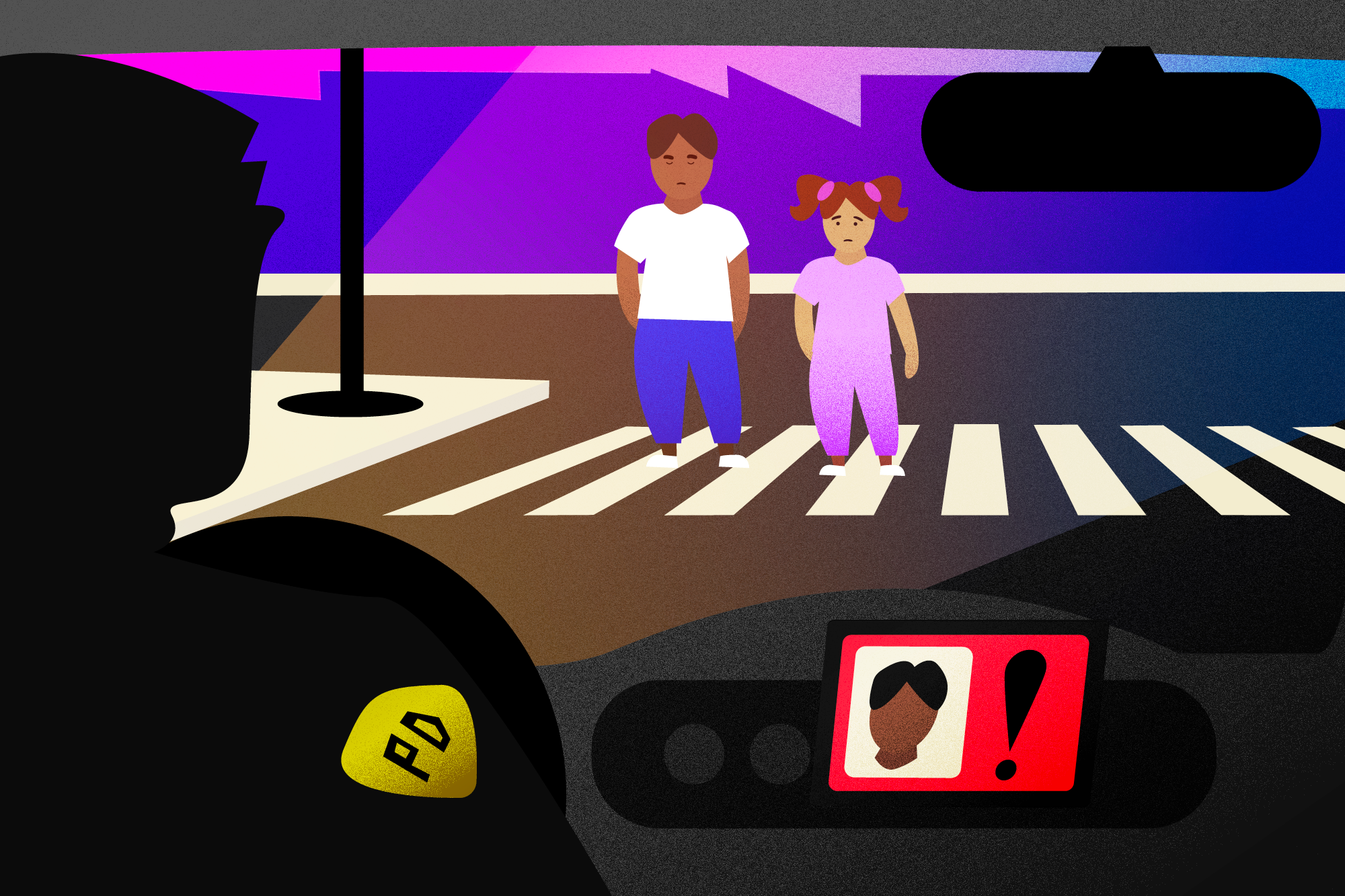
The algorithmic toolkit has fallen into the grimest applications at the intersection of technology, surveillance, and state control. Predictive policing algorithms attempt to forecast “hotspots” or future criminal behavior, ostensibly allowing resources to be deployed proactively. However, the foundational flaw is deeply embedded – these predictive frameworks often rely on biased human input into the construction of crime statistics and the design of the algorithm itself. As scholars like L’Heureux Lewis-McChurch points out, there’s a terrifying resonance here with late-stage segregationist thought; the “empirical” data justifies pre-existing assumptions of innate difference between communities, justifying investment to “monitor” and ultimately, control. Algorithmic systems automate the extraction, analysis, and communication of information designed to predictatively control. They weaponize data not just for surveillance, but for social management through coded enforcement narratives. The carceral system itself becomes a site where AI doesn’t just assist; it actively augments.
Dismantling Technological Optimism: Afrofuturism, Not Merely Technology
There might be hope, a narrative currently promoted by tech enthusiasts: integrating Black female logic, weaving resilience, navigating complex systems – but often this hope is projected onto Black women as futuristic data-savvy saviors. Afrofuturism offers rich ground intellectually, but we must be wary of essentializing Black women within a techno-utopian fantasy, ignoring their lived experiences and the concrete ways technological expansion has historically excluded or harmed them. We must not confuse the desire for a better future with the uncritical adoption of the very tools that have perpetuated historical inequities. Feminism’s intervention is not merely about pointing out flaws, but actively challenging the techno-centric worldview that prioritizes system efficiency above all else, demanding that we recognize its inherent limitations and potential harms.
Moreover, we need to redefine our metrics of progress. For Black feminists, progress doesn’t simply mean more sophisticated tools or predictive accuracy. It means interrogating the very categories algorithmic systems operate on, demanding that they be built around lived experiences, equity, and the collective well-being. It means ensuring that the benefits of algorithmic systems extend beyond the privileged few who created them. True innovation means not simply automating existing processes more efficiently but redesigning them for justice.
Gazing Through New Cracks: A Feminist, Intersectional Future for Assessing Algorithms
The imperative now is not to flee AI, but to engage critically, rigorously, and strategically, centered on Black feminist praxis. We must demand systems that don’t erase lives or reinforce historical biases. We must ask questions about the data not only collected but how it’s curated, controlled, analyzed, and governed. Who benefits from the extraction of specific kinds of data? Who designates risk? How is human oversight structured to effectively counteract algorithmic drift and bias?
Black feminist perspectives offer more than ethical frameworks; they offer lenses. The insistence on intersectionality forces us to ask how different inequalities converge, challenge, or reinforce each other within algorithmic systems. We must develop new, participatory methodologies for evaluating AI systems that empower the affected communities, not the technical experts. The struggle is ongoing. But by embedding feminist principles directly into the technical discourse, Black women scholars are not just adding one voice to many; they are fundamentally challenging the narrative itself, proving that critique is essential to innovation, and that liberation requires not merely tinkering with the edges, but radically transforming the foundations of the technology itself.