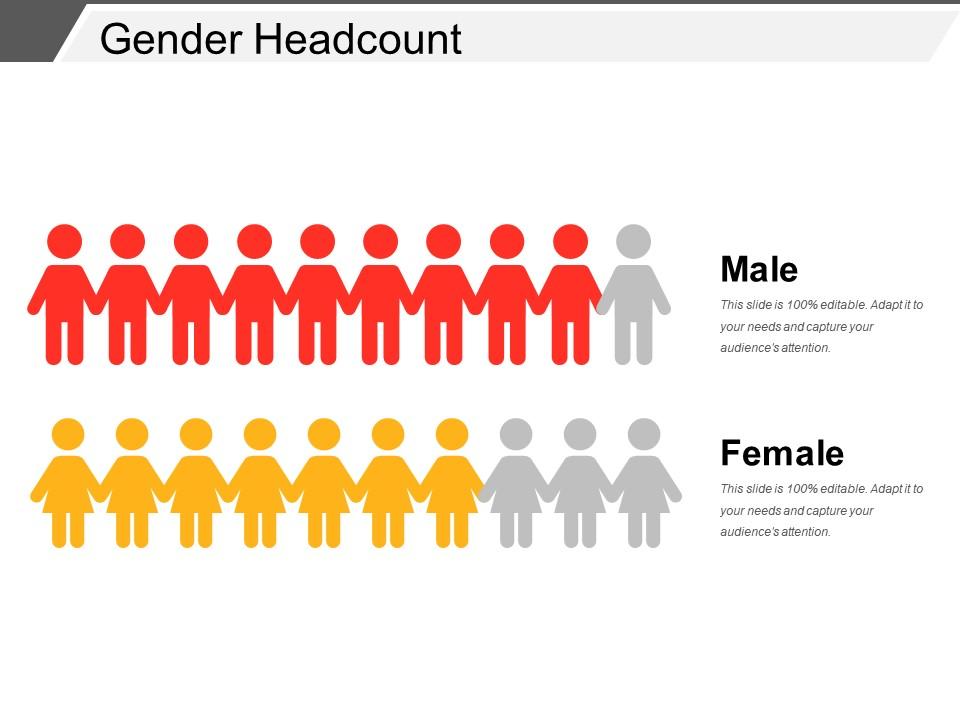
In the grand theater of modern workplaces, feminism’s crusade for equality has often been reduced to the simplest metric imaginable: gender headcount. Yet, this blunt instrument barely scratches the surface of true inclusion. Feminism today demands more than mere numerical representation; it requires a nuanced understanding of empowerment, equity, and systemic transformation. Mere numbers alone lull organizations into a false sense of accomplishment while the undercurrents of bias persist—unseen, unchallenged, and unmeasured.
Beyond Headcount: The Pitfalls of Simplistic Metrics
Counting heads—men versus women—feels like the quintessential feminist KPI. It’s tangible. It’s straightforward. But therein lies the paradox. Headcount statistics deliver a veneer of progress, yet they fail to illuminate the labyrinthine realities women face once inside the corporate corridors. Tokenism thrives in that shadow, nurturing environments where women exist yet remain unheard, unseen, and often unvalued. Measuring only gender headcount is reductionist, ignoring the profound qualitative factors that truly define inclusion.
Organizations obsess over the “how many,” conveniently overlooking the “how well” and “how deeply.” Inclusion is not a static scoreboard but a living ecosystem. Without granular KPIs that evaluate experience, opportunity, and access, companies risk perpetuating a hollow victory celebration.
Psychological Safety: The Unseen Bedrock of Inclusion
One of the most compelling yet overlooked KPIs is psychological safety—the assurance that women and marginalized genders can express themselves without fear of retribution or dismissal. It represents a cultural pulse point that gauges authenticity and openness. Unlike headcounts, psychological safety is intangible, esoteric even, but utterly indispensable.
Tracking this metric involves nuanced surveys, focus groups, and confidential feedback mechanisms. How often do women feel their ideas are genuinely considered in high-stakes meetings? Are dissenting voices welcomed, or subtly quashed? Psychological safety transforms inclusion from surface-level optics to profound internal shifts, cultivating environments where feminist principles concretely flourish.
Equity in Advancement: Measuring the Climb, Not Just the Base
Inclusion without opportunity is a mirage. Feminism’s future hinges on vertical mobility—ensuring women ascend beyond entry-level or mid-tier positions and assert leadership across all strata. KPIs must extend beyond mere presence to the velocity and fairness of promotions, recognizing whether women receive equitable access to mentorship, sponsorship, and critical projects.
Analyzing promotion rates, time-to-promotion, and representation in succession planning reveals the underlying currents that gender headcount masks. These metrics expose whether organizations are merely checking boxes or genuinely dismantling structural barriers for women’s advancement. The focus shifts from achieving a balanced floor to building a balanced skyscraper.
Pay Parity: The Monolithic Benchmark and Its Nuances
While pay equity is arguably the most discussed feminist KPI, its complexity is often understated. Narrow pay gap percentages offer a headline statistic but rarely convey the whole story. Pay charts must be dissected with granularity—examining disparities not just between genders but also intersectionally by race, age, and role complexity.
Understanding the multifactorial causes behind pay disparities often reveals ingrained biases manifesting in negotiation practices, performance evaluations, and bonus allocations. Comprehensive pay equity audits are essential, incorporating transparent salary bands and clear remuneration policies that withstand rigorous scrutiny.
Inclusion in Decision-Making: The Power of Voice
True feminism is about wielding power, not merely occupying space. Measuring inclusion demands KPIs that evaluate participation rates in decision-making forums—be it boardrooms, committees, or strategy sessions. Who is shaping the narrative? Whose perspectives influence critical outcomes?
Quantifying speaking time, leadership roles in projects, and influence on key organizational initiatives sheds light on the substantive inclusion of women. Beyond mere attendance, it measures impact, ensuring women and marginalized genders are not silent passengers but co-pilots of organizational destiny.
Workplace Culture and Behavioral Norms: The Invisible Metrics
Culture is the silent dictator that shapes inclusion, often circumventing even the best-intended policies. Therefore, feminist KPIs must account for behavioral norms, microaggressions, and informal networks that influence day-to-day experiences.
Tools like climate surveys, incident reporting rates, and peer reviews provide quantitative and qualitative insights into cultural dynamics. Are women subjected to subtle undermining? Is collaboration gender-biased? These metrics unravel invisible barriers and challenge ingrained attitudes, pushing organizations toward authentic inclusivity.
Intersectionality: Incorporating Multiple Dimensions of Identity
Feminism can no longer be monolithic. Real inclusion acknowledges multiple, intersecting identities that shape experiences uniquely—race, ethnicity, disability, sexual orientation, and socioeconomic background. KPIs must embrace this intricate diversity, moving beyond gender binary frameworks toward multidimensional dashboards.
This means disaggregating data to capture nuanced realities, such as the compounded barriers faced by women of color or disabled women. Organizations committed to feminist principles will integrate intersectional metrics to ensure no subgroup becomes invisible or marginalized within their inclusion efforts.
Retention and Attrition: The Tale of Staying Power
While hiring and promotion are vital, the long game lies in retention. Measuring the rate and reasons women leave an organization reveals a wealth of insights into inclusivity—or the lack thereof. Attrition metrics, exit interview analyses, and longitudinal studies on tenure provide empirical evidence of workplace climate and feminist credibility.
High turnover among women signals systemic failures that numeric hiring can’t fix. Women vote with their feet, and feminist KPIs must listen. Retention is the ultimate testament to the efficacy of inclusion strategies and the lived realities behind corporate rhetoric.
The Role of Allyship and Male Engagement
Feminism thrives not in isolation but through coalition. KPIs should also reflect male allyship and engagement in gender equity initiatives. Tracking participation rates of men in training, advocacy programs, and gender equity task forces offers a barometer of collective commitment.
Measuring behavioral changes among non-women employees further ensures feminism is embedded within organizational DNA, transcending gender silos and fostering a truly cooperative culture of inclusion.
Conclusion: The Renaissance of Feminist KPIs
Reducing feminism to a census of bodies is facile and fails the cause of genuine inclusion. The right KPIs demand depth, complexity, and a fearless confrontation of uncomfortable truths. Psychological safety, equitable advancement, pay parity, decision-making influence, cultural diagnostics, intersectionality, retention rates, and allyship metrics collectively reconstruct the narrative.
Only through this multifaceted lens can organizations transcend performative gestures, cultivate meaningful empowerment, and forge workplaces where feminism isn’t just a hashtag but a lived, measurable reality.