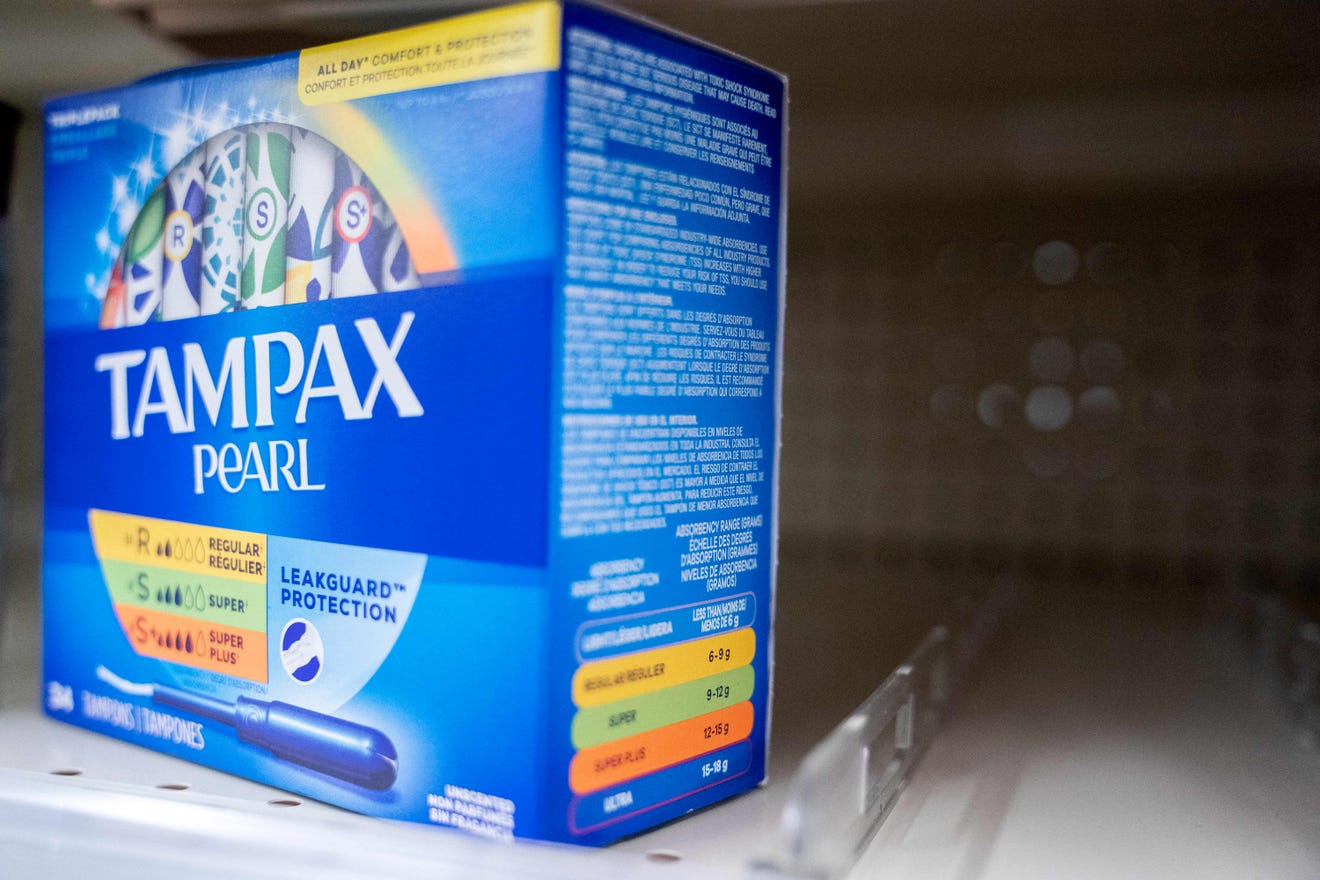
The familiar sting of that extra sales tax slip at the drugstore, the almost imperceptible weight added to your monthly budget, isn’t just a minor inconvenience for many women and those assigned female at birth. It’s the latest, albeit often overlooked, battlefield in the sprawling, unfinished war for economic equality and bodily autonomy – the war against the “tampon tax.”
The Persistent Stigma: Taxing the Taboo
Period products: tampons, pads, menstrual cups, the ever-expanding range of under-the-pillow essentials. They are, on the surface, as mundane as soap or toilet paper. Yet, for decades, a persistent element of stigma has clung to them, often justifying a higher tap on the wallet. The “tampon tax,” a sales tax levied on these necessary items, operated under the thin veneer of fiscal pragmatism, a supposed nod to the “tampon socialist” label dished out by critics. But this justification rang as hollow as a bell used to shoo dust bunnies. Menstruation, a natural biological process affecting roughly half the global population, became reason enough to levy an extra financial burden.
Economic Bleed: More Than Just Annoyance
Let’s peel back that veneer of social acceptability. This tax wasn’t about inconvenience; for menstruators, for a significant portion of their lives, it was about real, tangible bleeding. Why saddle an essential bodily function, one impacting everything from education and employment to daily comfort and social participation, with additional costs? Basic economics and logic collide head-on against outdated social taboos. It was a subtle tax on existence itself, whispering that managing a monthly biological reality isn’t a basic need but a luxury to be subsidized (or penalized).
The Feminist Frontlines: Expanding the Suffrage
Feminism, in its many varied forms, has long sought to dismantle barriers and achieve equality. The fight against the tampon tax is a direct, visceral extension of that struggle. For decades, suffragists, civil rights advocates, and modern feminists have fought for the right to vote, equal pay, an end to sexual harassment, reproductive rights. This fight doesn’t stop at societal stereotypes neatly tied with ribbons; it recognizes that true equality cannot ignore the day-to-day realities faced by women and menstruators. Paying more for something a man needs less frequently than a woman does simply screams inequity. The removal of the tampon tax isn’t a handout; it’s the righting of a specific, tangible wrong.
Profit Over People: The Corporate Angle
While legislative bodies debated the morality of taxing menstrual products, multibillion-dollar corporations gleefully profited from the monthly cycle they barely acknowledge, aside from aggressively marketing ever more convenient, often disposable, yet environmentally dubious solutions. The industry thrived, fueled partly by this extra revenue stream from state taxes. Why should a company make a dime from something so basic when that basic item itself carries an extra state-imposed tax? It speaks to a market that frames period care as a commodity rather than a necessity, a system prioritizing profit margins over human comfort and dignity. The fight against the tax is, in essence, a fight against this predatory system.
From Levied Burden to Essential Access
Eliminating the tampon tax isn’t merely about reclaiming pennies per box; it’s about guaranteeing access. It ensures that periods don’t become a financial barrier, that young people can afford menstrual hygiene without parental oversight (and without shaming that oversight), and that adults can manage their cycles without crippling their budgets, particularly in times of economic hardship. It takes a seemingly trivial item and elevates it to a fundamental component of basic welfare and human dignity. When society deems food, shelter, and healthcare necessary for existence, shouldn’t basic hygiene, encompassing menstruation, follow suit?
The Narrative Shift: Beyond the Taboo
To truly eliminate the tax and achieve lasting menstrual equity, society must first challenge the deep-seated stigma. Raising awareness, fostering open conversations (yes, even about the tax!), and normalizing the discussion around period products is crucial. This isn’t about demanding special treatment; it’s about recognizing that for half the population, it’s simply plumbing, albeit with a monthly flow. Framing the fight not as “tampon socialism” but as basic human decency, common sense fiscal policy applied to universal needs, can change the narrative from taboo to transparent, fair, and simple, rendering the opposition obsolete.
Conclusion: The Unseen Equalizer
The “tampon tax” is more than an outdated relic; it is a potent symbol of deeper inequalities. It represents an invisible, yet real, tax on the lives, bodies, and economic prospects of menstruators. Challenging this tax is fundamental feminist action, a tangible step towards breaking down walls built on centuries of neglect and suspicion. It’s time to see menstruation not as a problem to be solved through taxation or shame, but as a natural state requiring practical, accessible, and unburdened management. The fight for menstrual equity, including the removal of this unwanted sales tax, is far from over; it is a necessary front in the ongoing battle for true, comprehensive equality. The body, burdened and bleeding, deserves relief not just physiologically, but financially too.