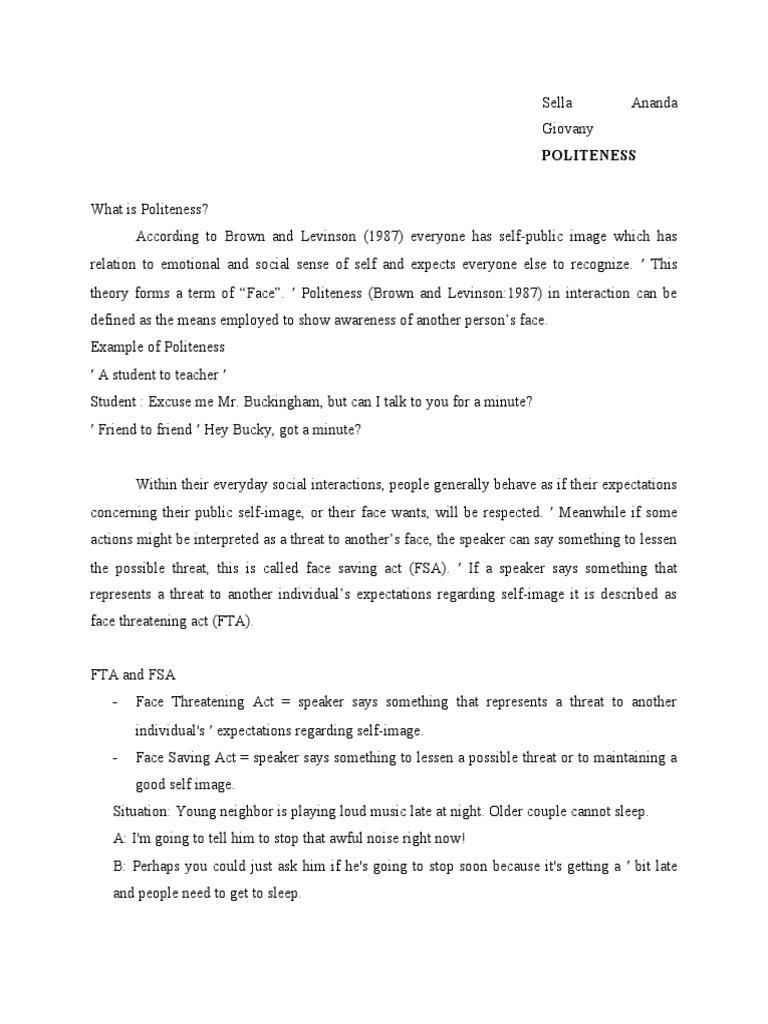
Have you ever paused mid-conversation, mid-apology, mid-sentence, wondering if the cascade of “sorry”s spilling from your lips is truly warranted—or if it’s just another invisible toll you’re paying for existing as a woman in a world obsessed with politeness? This charged phenomenon, often camouflaged under the veneer of civility, is the “Apology Tax.” It’s the relentless cognitive labor imposed by over-accommodation and the labyrinthine rituals of politeness, an unspoken currency women discharge daily. But what if this tax is less about kindness and more about control? And what if its cumulative weight shapes not only interactions but the very architecture of feminist thought?
Decoding the Apology Tax: More Than Just Manners
The Apology Tax isn’t merely an overabundance of “sorrys” tossed into conversations like confetti at a parade. It is a systemic imposition rooted in the gendered expectation that women must maintain the social fabric at their own cognitive expense. Politeness rituals—those socially coded scripts involving apologies, hedging, and self-effacement—function not only to smooth interactions but also to subtly signal deference and non-threat. Women, more often than men, bear the brunt of these concessions. This taxation is cognitive because it demands continual vigilance: women monitor their tone, content, and reactions to ensure they don’t unsettle an often male-centric status quo. It’s a mental choreography as exhausting as it is invisible.
The Cognitive Ballet: Navigating Over-Accommodation
Over-accommodation is the slippery slope where benevolent intentions twist into exhausting performances. Consider conversations peppered with hyper-awareness: will my words offend? Am I too assertive? Do I need to mitigate my point with a qualifier or a smile? Over-accommodation extends beyond speech; it infiltrates body language, facial expressions, and emotional regulation. It’s an exhausting ballet of pre-emptive self-editing. For feminists, this presents a paradox. The quest for equality often demands assertiveness and clarity, yet the invisible script coerces conformity to a norm that rewards meekness and penalizes disruption. This cognitive labor isn’t voluntary—it’s survival.
Politeness Rituals: The Double-Edged Sword
Politeness rituals are cultural compasses, guiding interpersonal navigation. But, like any ritual, their invocation can be empowering or entrapping. Women wield these rituals as tools to negotiate power, ensuring safety and rapport. However, the same rituals enforce a rigid architecture of acceptable behavior that disproportionately circumscribes female expression. When women over-apologize or soften directives, they are performing a nuanced negotiation: balancing authenticity against social sanctions. Yet, these rituals mask the asymmetry of power. They create an illusion of equality by cloaking domination in courteous exchanges, making resistance harder to pinpoint and dismantle.
Feminism and the Subversion of Politeness
Is embracing politeness a betrayal of feminist ideals, or can it be a potent act of subversion? The tension here is palpable. Radical rejections of politeness risk alienating allies, while uncritical compliance perpetuates marginalization. Feminism challenges this dialectic by reappropriating politeness as strategic—choosing when and how to deploy ritual concessions without self-erasure. The Apology Tax thus becomes a battleground: to bear it grudgingly or to deconstruct it altogether. Feminist praxis demands recognition of this labor, urging a recalibration of social expectations so politeness ceases to be a gendered burden and transforms into genuine mutual respect.
The Psychological Costs: Cognitive Dissonance and Emotional Exhaustion
Constant self-monitoring induces cognitive dissonance—a psychological fissure between the authentic self and the performed self. Women navigating the Apology Tax grapple with this internal tension, which manifests as stress, burnout, and emotional fatigue. The incessant calculation—when to apologize, when to assert—frays mental resilience over time. This erodes not just individual well-being but collective empowerment. The toll impairs spontaneity, silences dissent, and feeds a cycle where women’s authentic voices are diluted—undermining the egalitarian vision feminism aspires to achieve.
Reclaiming Space: Toward a Politics of Assertive Politeness
The antidote isn’t the wholesale abandonment of politeness but its redefinition. Reclaiming conversational space requires a politics of assertive politeness—language that refuses invisibility without sacrificing dignity. It demands cultural literacy to recognize when politeness is weaponized and the courage to challenge these norms. This reclamation is rooted in self-validation and collective solidarity—a mutual refusal to bear the Apology Tax quietly. By articulating boundaries clearly and unapologetically, women can dismantle the performative script and rewrite social codes that honor their full humanity.
The Cultural Matrix: Intersectionality and the Apology Economy
The Apology Tax does not weigh equally on all women. Intersectional realities—race, class, sexuality, disability—compound the cognitive labor of over-accommodation. Marginalized women face amplified scrutiny and are often penalized harsher for deviating from expected politeness norms, leading to a labyrinthine apology economy where every word is a potential landmine. Feminist discourse must thus interrogate not only the gendered scripts but also the intersecting power structures that shape them. To dismantle the Apology Tax requires a pluralistic approach attuned to these variegated experiences.
Conclusion: The Invisible Toll and the Path Forward
The Apology Tax is more than a quirk of social etiquette. It is the shadow economy of emotional and cognitive labor women pay to operate seamlessly within a patriarchal framework. By illuminating its contours, feminist thought exposes the paradox of politeness: a currency that ensures smooth social transactions but often at the cost of authentic presence and equitable power. The challenge is to reimagine social rituals not as invisible debts but as shared exchanges rooted in respect and liberation. How much longer will women pay this tax before society demands a fairer system? Perhaps the first step is to stop apologizing for questioning the cost itself.