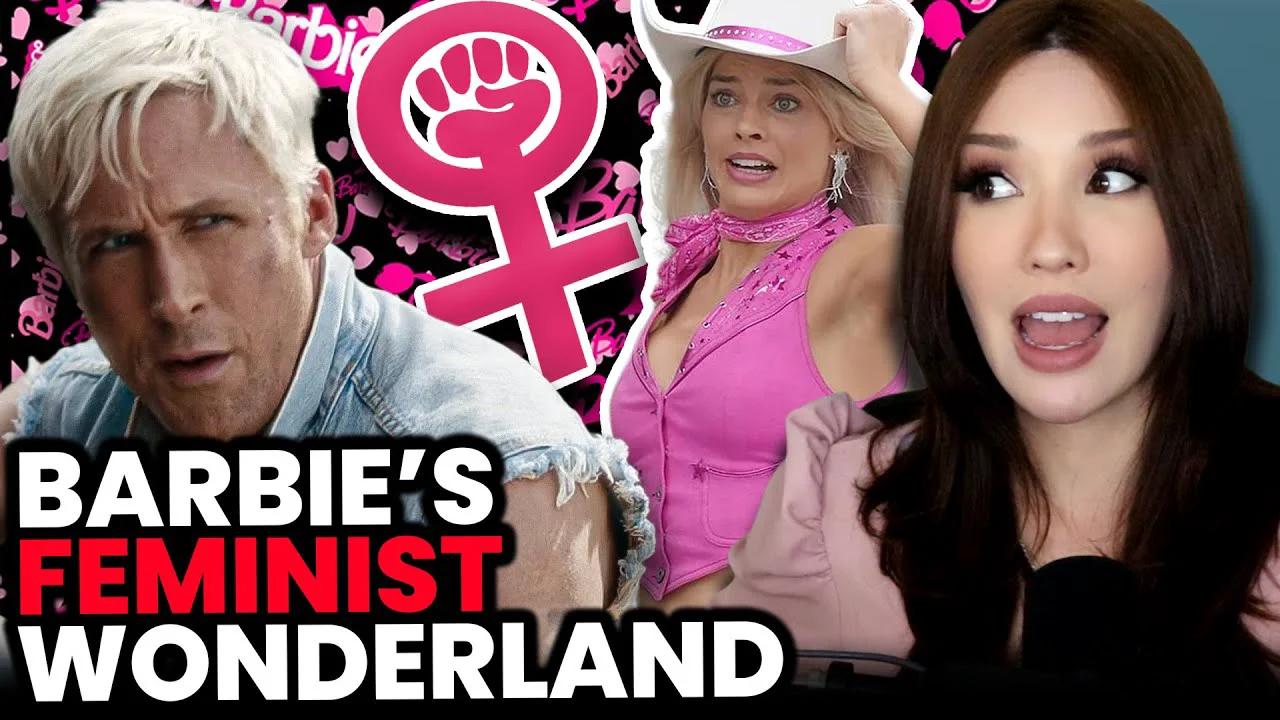
In the glittering labyrinth of modern capitalism, where brands clamor for relevance by draping themselves in the seductive cloak of social justice, few spectacles have been as dazzling—or as disingenuous—as the Barbie movie phenomenon. What began as a plastic totem of mid-century domesticity has been repurposed into a Trojan horse of feminist discourse, its neon-pink hull concealing the cold, hard machinery of corporate appropriation. The Barbie marketing machine didn’t just sell a film; it peddled a paradox—a simulacrum of empowerment that masquerades as revolution while reinforcing the very systems it claims to dismantle. To dissect this spectacle is to expose the alchemy of nostalgia and commodification, where the radical potential of feminism is distilled into a marketable essence, bottled and sold back to the masses as a salve for their discontent.
The Illusion of Sisterhood: How Barbie Became a Feminist Brand
The transformation of Barbie from a symbol of oppressive beauty standards to a paragon of feminist iconography is a masterclass in narrative engineering. Once derided as the architect of impossible body ideals, she now strides across screens in a pastel-hued manifesto, her plastic limbs outstretched in solidarity. The marketing machine didn’t just rebrand Barbie—it rewrote history, airbrushing over decades of criticism to present her as a trailblazer. This sleight of hand is not mere coincidence; it’s a calculated pivot, a response to the growing demand for corporate feminism, where the language of liberation is co-opted to sell everything from sneakers to soda. The Barbie movie didn’t just capitalize on feminist discourse—it commodified it, turning the struggle for gender equality into a product to be consumed, not a movement to be joined.
Consider the irony: a doll originally designed to sell domesticity is now being hailed as a feminist icon. The marketing machine didn’t dismantle the dollhouse—it repainted the walls pink and called it progress. The Barbie movie’s narrative of self-discovery and sisterhood is a seductive mirage, one that distracts from the material realities of gender inequality. In this sanitized version of feminism, the fight for equal pay, reproductive rights, and bodily autonomy is reduced to a feel-good montage set to a Carly Rae Jepsen soundtrack. The illusion of progress is more potent than progress itself, and Barbie’s corporate handlers know it.
The Pinkwashing of Feminism: When Capitalism Wears a Tiara
To call the Barbie phenomenon a form of pinkwashing is to acknowledge the deliberate obfuscation of systemic injustice beneath a veneer of empowerment. Pinkwashing, a term once reserved for corporations feigning concern for breast cancer while peddling carcinogenic products, has metastasized into a broader strategy of moral laundering. The Barbie movie is its latest avatar—a glittering distraction from the fact that feminism, as a lived practice, remains a radical and often unprofitable ideal. The marketing machine didn’t just sell a movie; it sold the comforting lie that feminism can be purchased, that liberation is a commodity, and that the fight for equality can be outsourced to a corporation with a well-timed ad campaign.
This is the paradox of corporate feminism: it promises empowerment while reinforcing the very structures that disempower. The Barbie movie’s feminist credentials are as hollow as its plastic heels. It doesn’t challenge the wage gap, the glass ceiling, or the relentless commodification of women’s bodies—it aestheticizes them. The film’s protagonist, a doll who escapes her plastic prison, is a metaphor for consumer choice, not systemic change. The marketing machine didn’t free Barbie; it repackaged her, turning her into a brand ambassador for a feminism that is palatable, marketable, and ultimately meaningless.
The Nostalgia Trap: How Barbie Sells the Past as the Future
Nostalgia is a powerful drug, and the Barbie marketing machine has distilled it into a potent elixir. By tapping into the collective memory of childhood play, the film doesn’t just sell a product—it sells a fantasy, a return to a time when the world was simpler, when the biggest worry was whether Ken would ask you to the prom. But this nostalgia is a carefully curated illusion, a pastel-colored prison that obscures the fact that the Barbie of yesteryear was never the feminist icon she’s being retroactively crowned. The marketing machine didn’t resurrect Barbie’s radical potential—it invented it, stitching together fragments of feminist discourse to create a narrative that is as seamless as it is specious.
The danger of this nostalgia trap is that it lulls us into complacency. By framing Barbie as a feminist icon, the marketing machine suggests that the fight for gender equality is already won, that the battles of the past have been settled, and that all that remains is to enjoy the spoils of victory. But this is a lie. The world Barbie inhabits is a gilded cage, a simulacrum of progress that masks the ongoing struggles of women everywhere. The marketing machine didn’t liberate Barbie—it trapped her in a new kind of narrative, one that is as confining as the old.
The Commodification of Sisterhood: When Feminism Becomes a Brand
At its core, the Barbie phenomenon is a case study in the commodification of sisterhood. The marketing machine didn’t just sell a movie—it sold a feeling, a sense of belonging, a promise that feminism could be as easy as buying a ticket and a pink convertible. But sisterhood, in its truest form, is not a product to be consumed. It is a practice, a commitment, a daily reckoning with the systems that oppress us. The Barbie movie reduces this practice to a series of Instagram-worthy moments, a pastiche of feminist iconography that is as shallow as it is seductive.
This commodification has a name: feminist capitalism. It is the alchemy of turning struggle into profit, of transforming the language of liberation into a marketing strategy. The Barbie marketing machine didn’t just capitalize on feminism—it turned it into a brand, a lifestyle, a commodity. And like all commodities, it is designed to be consumed, not questioned. The danger is that we mistake the packaging for the product, that we mistake the spectacle for the movement. But feminism is not a movie. It is not a doll. It is not a brand. It is a living, breathing, often messy practice of resistance—and it cannot be bought, sold, or repackaged.
The Hollow Victory of Corporate Empowerment
The Barbie movie’s feminist credentials are as hollow as its plastic heels. It doesn’t challenge the systems that oppress women—it aestheticizes them. It doesn’t demand change—it sells the illusion of change. And in doing so, it reveals the true nature of corporate feminism: a hollow victory, a simulacrum of progress that serves only to distract from the ongoing struggle for equality. The marketing machine didn’t liberate Barbie. It repackaged her, turned her into a brand ambassador for a feminism that is palatable, marketable, and ultimately meaningless.
This is the paradox of the Barbie phenomenon: it promises empowerment while reinforcing the very structures that disempower. It sells sisterhood as a commodity, nostalgia as progress, and feminism as a brand. And in doing so, it reminds us that the fight for gender equality is far from over. The marketing machine didn’t free Barbie. It trapped her in a new kind of narrative, one that is as confining as the old. The question is not whether Barbie is a feminist icon—but whether we are willing to see through the illusion.