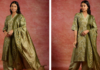











The hijab, a piece of fabric draped with quiet defiance, has become a runway for a new kind of feminist rebellion. In the glittering world of social media, Muslim hijabi influencers are redefining modest fashion—not as a constraint, but as a canvas of empowerment. Yet, beneath the glossy veneer of Instagram posts and YouTube tutorials lies a paradox: while these women are celebrated for their style, their choices are often scrutinized through a lens clouded by orientalist fantasies and colonial nostalgia. The double standard is glaring. A white woman in a bikini is “body positivity”; a hijabi woman in a tailored abaya is “oppressed.” This is not just fashion. It’s a battleground.
The Veil as Armor: Fashion as Feminist Defiance
Imagine a sword forged from silk and sequins. That is the hijab in the hands of a modest fashion influencer—a weapon disguised as adornment. These women do not merely wear fabric; they wield it as a statement against the tyranny of the male gaze. In a world where women’s bodies are commodified, dissected, and dictated, the hijab becomes a reclaiming of autonomy. It is a refusal to perform femininity on the terms of a patriarchal society that demands visibility, exposure, and vulnerability.
Yet, this defiance is met with skepticism. The same society that praises Kim Kardashian for her contouring and contouring tutorials will question why a hijabi woman chooses to cover. The irony is delicious: one woman’s body is a billboard for capitalism; another’s is a political statement. The hijab, in this context, is not just a religious symbol—it is a feminist manifesto stitched into fabric.
The Gaze That Objectifies: When Modesty Becomes a Spectacle
There is a peculiar phenomenon in the way the West consumes modest fashion: it is fetishized as “exotic” while simultaneously being stripped of its agency. A hijabi influencer’s Instagram feed is not just a showcase of style; it is a performance for an audience that does not understand the weight of her choices. The double standard is evident in the language used to describe her: “bold,” “daring,” “unapologetic”—words that imply she is breaking barriers, when in reality, she is simply existing on her own terms.
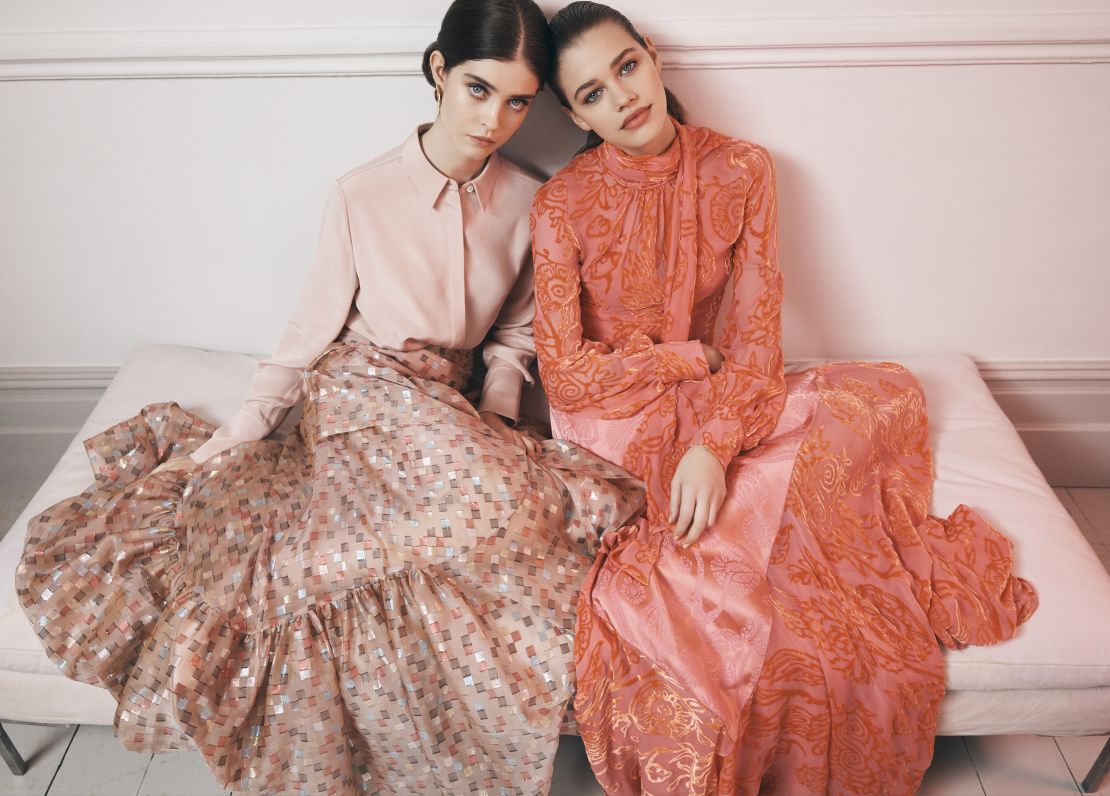
Consider the language of fashion magazines. A white model in a sheer blouse is “edgy”; a hijabi model in a structured jilbab is “groundbreaking.” The former is a trend; the latter is a revolution. This is the paradox of the gaze: it can only see revolution where it expects oppression. The hijab, in this framework, is not a personal choice but a spectacle to be consumed, analyzed, and exoticized.
The Capitalist Hijack: When Feminism Becomes a Brand
Fashion, by its very nature, is a capitalist endeavor. Brands clamor to dress women, but only if those women conform to a narrow definition of beauty and liberation. The modest fashion industry, while empowering for many, is not immune to this exploitation. Influencers are often reduced to marketing tools for luxury brands that profit from their narratives of resistance.
This is the double-edged sword of visibility. The more a hijabi influencer gains traction, the more she is co-opted by an industry that thrives on commodifying identity. Her hijab becomes a trend, her modesty a marketing strategy. The feminist act of wearing the hijab is diluted into a product to be sold, a lifestyle to be curated. The question lingers: can feminism truly thrive in a system that demands profit over principle?
The Intersection of Faith and Feminism: A Delicate Dance
For many hijabi influencers, fashion is not just about aesthetics—it is about faith. The act of covering is an act of devotion, a daily reminder of spiritual commitment. Yet, when these women enter the realm of fashion, their faith is often overshadowed by the feminist narrative. The hijab becomes a symbol of resistance, not devotion. This erasure is a subtle form of Islamophobia: the assumption that a Muslim woman’s choices are dictated by oppression, not faith.
The intersection of faith and feminism is a delicate dance. To reduce the hijab to a feminist statement is to strip it of its spiritual significance. Yet, to ignore the feminist implications of a woman’s choice to cover is to deny her agency. The double standard is clear: a woman’s faith is either ignored or weaponized, but never truly understood.
The Backlash: When Empowerment is Met with Condemnation
For every hijabi influencer who gains fame, there are ten more who face backlash. The internet is a harsh critic, quick to label modest fashion as “oppressive” or “regressive.” The irony is palpable: a woman who chooses to cover is accused of being anti-feminist, while a woman who chooses to bare is celebrated as liberated. This is the double standard in its rawest form.
The backlash is not just about fashion—it is about control. The patriarchy dictates what women should wear, how they should dress, and what they should reveal. When a hijabi influencer defies these expectations, she is met with resistance. Her empowerment is seen as a threat, her choices as a challenge to the status quo. The backlash is a reminder that feminism, for all its progress, is still a battleground.
The Future of Modest Fashion: A Revolution in Stitches
Despite the double standards and backlash, the modest fashion revolution is gaining momentum. Hijabi influencers are not just changing the way we see fashion—they are changing the way we see women. Their defiance is not just in the fabric they wear, but in the narratives they weave. They are redefining beauty, challenging stereotypes, and demanding visibility on their own terms.
The future of modest fashion is not just about trends—it is about transformation. It is about a world where a woman’s choices are not dictated by the gaze of others, but by her own sense of self. It is about a fashion industry that celebrates diversity, not just in skin tones, but in beliefs and identities. The hijab, in this context, is not just a piece of fabric—it is a symbol of a revolution in stitches.
The double standard persists, but so does the defiance. The hijab is more than a fashion statement—it is a feminist act. And the world is finally starting to listen.