

















In the vast, digital expanse where human interaction collides with algorithmic curation, a hidden crisis unfolds. Beneath the surface of your social media feed, the comments section, the trending topics – exists a workforce quietly bearing immense emotional burdens. Women content moderators, often unseen, play a crucial gatekeeping role, policing the online world. But this gatekeeping comes at an enormous, often ignored cost, deeply intertwined with the ongoing feminist struggle: it involves profound **emotional labor, trauma, and exploitation**, demanding our feminist gaze. Let’s dissect the complex web of female-coded emotional toil in the trenches of digital moderation.
Linguistic Glassblowers: The Architecture of Distress
The very act of content moderation compels moderators to engage deeply with human suffering, often without breaks or context. These women, often hired on freelance contracts with inadequate support, trawl through oceans of data – from graphic hate speech and explicit content to pervasive abuse directed at specific user groups, and yes, disproportionately at women. Imagine being asked to assess reports detailing the aftermath of violent assaults, detailed accounts of sexual violence, threats against children, or meticulously cataloged grief over loss, all delivered directly into your consciousness via text. Without thick emotional skin, the job is impossible. They are, effectively, the narrative architects of digital civility, constantly deconstructing the worst excesses of human behavior, sentence by horrifying sentence. This constant exposure, a form of vicarious traumatization that rivals the experiences they read about or witness, is the daily bread of this labor. They develop expertise in recognizing patterns of degradation and harm, an unsettling skill gained not through choice, but through sheer necessity.
The Labyrinth of Explicit Reality: Types of Traumatic Content
The digital world presents a terrifying menagerie of disturbing content, each category demanding specific emotional fortitude and carrying its own unique toll. Dealing with intimate imagery without consent (“revenge porn”) desensensitizes, eroding boundaries. Hate speech, fueled by anonymity, requires constant judgment calls, often weaponized against marginalized genders and minorities. Cyberstalking manifests in documented patterns of harassment, threats delivered cold and calculated. Scam content, promising false hope or threatening harm, preys on vulnerability, and the moderator must repeatedly confirm the deceit, reinforcing the harsh realities faced by potential victims.
Worse still are the narratives of self-harm and suicide, laid bare by users seeking connection or desperately signaling distress. Reading graphic, sometimes poetic, sometimes brutally direct messages detailing suicidal ideation or attempts becomes a recurrent part of their internal landscape. The weight of confirming reports of profound despair, deciding on reporting severity, and potentially interacting with users who are deeply suicidal takes an inhuman toll, blurring the lines between empathy and emotional exhaustion. Trolling culture, with its relentless misogynistic bile, racist slurs, and coordinated harassment campaigns, is a persistent miasma they must navigate, reinforcing existing societal biases through the sheer volume of abuse directed at specific targets, often women.
The Exploitation Nexus: Precariousness, Gender, and Digital Debt
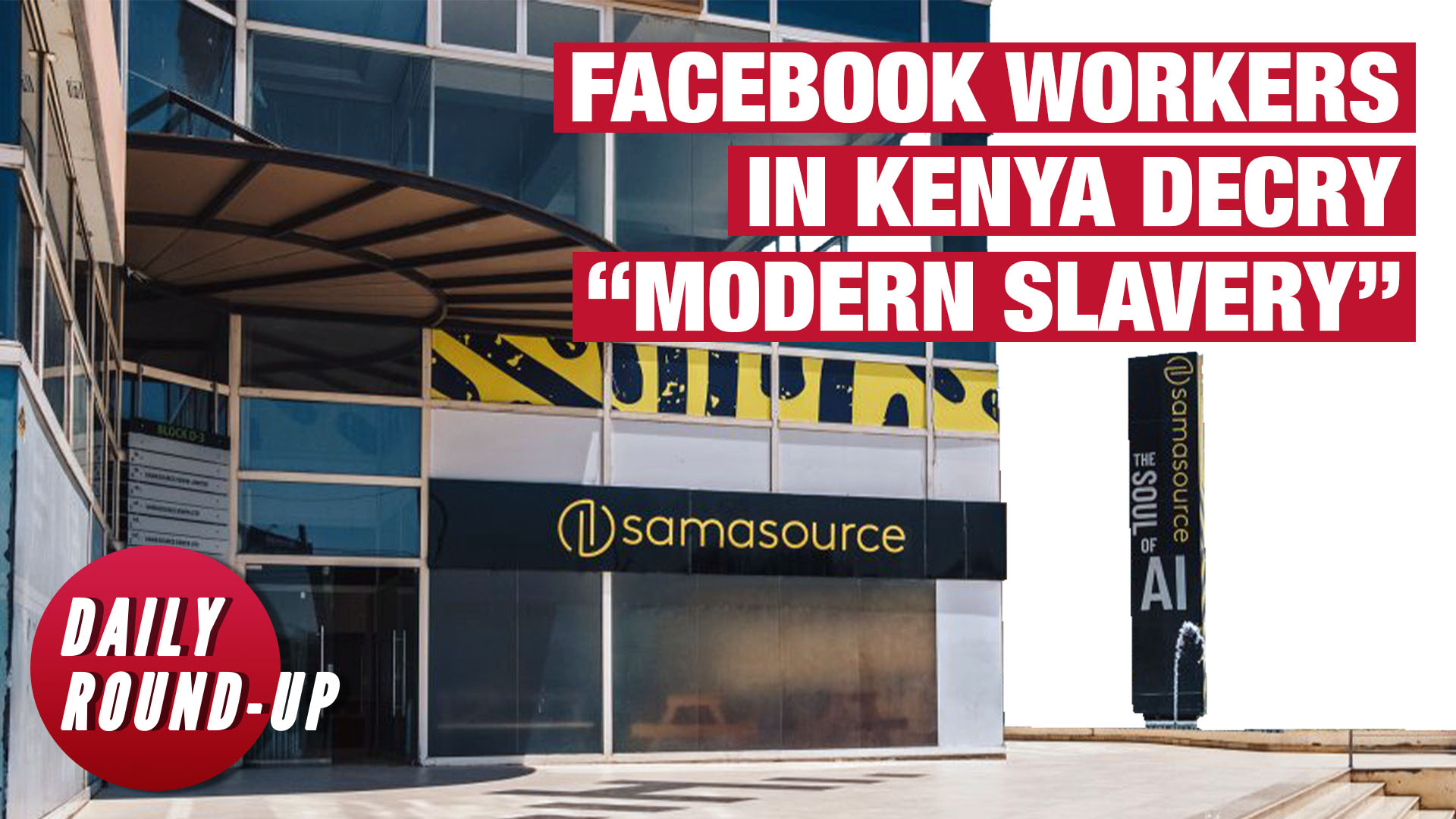
Feminism, at its core, cannot ignore the systems that exploit women, especially in labor. The content moderation industry thrives on precarity. Widespread use of gig economy models, freelancing platforms, or agency-based work, offers little job security, fluctuating hours, and often inadequate pay that fails to compensate the psychological risks. Furthermore, like so much other digital work, the profession remains heavily feminized. Why is this the case? Intersectional feminism argues that these roles tap into perceived traits like emotional intelligence, empathy (often coded as ‘female’), patience, and the tolerance for ambiguity – requirements that intersect with systemic biases valuing these traits disproportionately, often without compensation. This points directly to ongoing gender exploitation within the tech sector, demanding emotional labor as a prerequisite for the job itself.
Algorithmic Gatekeepers, Broken Windows, and Moral Injury
Modern moderation is not just about processing content; it’s an increasingly complex task driven by algorithms and community guidelines. This adds a layer of frustration and moral injury. The imperfections of algorithms can allow harmful content to slip through the cracks, reinforcing community trauma and deepening mistrust as the primary harm-doers. Conversely, overly aggressive moderation can silence legitimate voices, misgender individuals, or misapply rules, forcing moderators into the role of unsolicited gatekeepers.
Moreover, the tools provided to moderators are often blunt. They are equipped with a simple “report” button for millions of nuanced interactions, forcing difficult binary decisions with immense human consequences. Witnessing users be demonetized, suspended, or ignored based on these faulty system outputs is a constant source of professional disillusionment and rage directed at broken platforms rather than the harm within their own feeds. This cognitive dissonance – platforms demanding they curate safe spaces yet providing inadequate tools to do so effectively – compounds the trauma.
The Feminist Imperative: Labor Justice in the Digital Age
The plight of women content moderators forces a feminist reckoning with the labor of the digital age. Their experience highlights four crucial areas demanding attention: Firstly, **Labor Justice**. This demands fair wages, comprehensive health care coverage that includes mental health support, clear legal protections, consistent work, and a pathway towards stable, secure employment, moving away from the precarious freelance norm.
Secondly, **Compassion Fatigue Breaks**: Mandatory, regular, and well-funded psychological support must be not just a suggestion, but a standard ethical practice in platform policies – a direct challenge to exploitative business models. Thirdly, **Transparency in Task Design**: Platform companies must take responsibility for creating clearer guidelines, robust moderation tools, and transparent reporting mechanisms to minimize harm and empower moderators.
Fourthly, **We Must Contest the Framing**: The narrative that content moderation is primarily an issue of hygiene, requiring mere technical expertise, ignores the deep ethical, emotional, and political complexity. We need to demand that the voices, stories, and struggles of these workers are heard within the broader conversation about platform accountability and internet governance. Feminism must not only identify the trauma and exploitation but actively fight for alternative economic models where this essential work is valued, supported, and performed with human dignity rather than digital debt.
The digital frontier needs guardians. But it cannot do so at the expense of half its workforce’s mental health, let alone pay a fair price for their crucial service. Ignoring the emotional labor and systemic exploitation faced by women content moderators is an act of profound digital amnesia – a forgetting that contributes to the ongoing devaluation of female work across all sectors of society. It is time to listen, to demand change, and to ensure that those policing our digital spaces receive the respect, care, and justice they fundamentally deserve.