















In the labyrinthine world of beauty activism, the so-called ‘clean beauty’ movement has emerged as both a beacon of wellness and a battleground of cultural contestation. Beyond its glossy veneer of natural ingredients and toxin-free promises lies a convoluted discourse that intersects with race, identity, and feminism itself. The politics of whiteness within this movement is not merely a sidebar—it is its very undercurrent, shaping narratives about who is entitled to safety, purity, and visibility in beauty. This exploration peels back the layers of rhetoric to reveal how whiteness subtly governs the very ideals of “cleanliness” and “beauty,” entangling feminist ambitions with racialized exclusions.
The Genesis of ‘Clean Beauty’: A Double-Edged Sword
The clean beauty movement initially gyrated into existence as a radical counterpoint to chemical-laden, industrial cosmetics. Promising transparency, ethical sourcing, and non-toxic formulas, it positioned itself as a progressive crusade for bodily autonomy and health consciousness. However, what began as an emancipatory project soon revealed its complicity in reproducing the very inequalities it claimed to dismantle. By fetishizing “purity” and “naturalness,” clean beauty inadvertently aligned itself with European standards of whiteness, framing the ideal consumer as one whose skin—and implicitly racial identity—is “clean,” unmarred by the complexities of ethnic diversity.
Feminism, aiming to liberate all bodies, found itself at an uneasy crossroads, confronted with a movement that, under the guise of wellness, perpetuates exclusionary beauty norms. The rhetoric of clean beauty overwhelmingly valorizes the light, the unblemished, and the translucent, steering clear from acknowledging the unique needs of darker skin tones or cultural practices. Herein lies the insidious politics: a supposedly universal liberation effort cloaked in racialized assumptions.
Whiteness as the Invisible Standard: Beauty, Skin, and Colorism
Whiteness in the clean beauty context operates as an invisible arbiter, dictating not only aesthetic ideals but also the parameters of safety and legitimacy. The language of “clean” and “pure” subtly intertwines with the specter of whiteness—its association with lightness, translucency, and flawlessness. This conflation is hardly accidental; it echoes historical legacies where white skin has been symbolically coded as superior, healthy, and desirable.
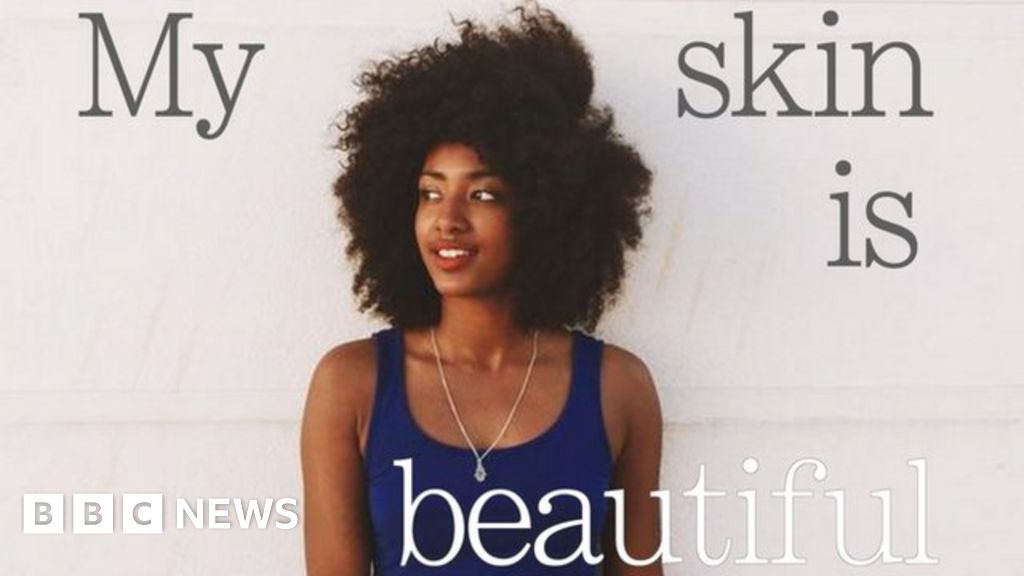
One of the starkest manifestations of this dynamic is the persistent erasure or marginalization of people of color in product development, marketing, and accessibility within clean beauty. Formulations are frequently tested on or designed for lighter skin tones, relegating darker-skinned consumers to a liminal space where the “clean” label fails to reassure. This not only entrenches colorism within a feminist narrative but also exposes the failure of clean beauty to recognize intersectionality in lived experiences of race and gender.
The Fetishization of Purity: Racialized Narratives in Clean Beauty Marketing
Marketing strategies within clean beauty betray an obsessive fixation on cleansing and purification—concepts historically laden with racial overtones. The promise of “clean skin” often doubles as a tacit invocation of racial effacement, promoting an aesthetic that aligns disturbingly with historical frameworks of racial hygiene and civilization. Advertisements inundate consumers with imagery of light, dewy skin that is flawless and radiant, subtly reinforcing hegemonic ideals of beauty rooted in whiteness.
These narratives intersect uncomfortably with feminist discourses on empowerment, where self-care can easily morph into self-erasure for women of color. The aesthetic ideal promoted is less about self-acceptance and more about conformity to an exclusionary whiteness, manifesting in an undercurrent of coercion toward cultural assimilation under the guise of empowerment and health. The result is a feminist paradox—liberation bound by invisible racial chains.
Feminism and the Exclusionary Paradox: Who Gets to be ‘Clean’?
Feminism’s commitment to inclusivity and multiplicity of female experiences stands at odds with the sanitized homogeneity fostered by the clean beauty ethos. This paradox illuminates the fraught relationship between progressive feminist ideals and the realities of racial capitalism that sustain and profit from exclusion. The clean beauty movement, while ostensibly about safety and honesty, often fails to interrogate whose health and whose safety are being prioritized.
Women of color, who face disproportionately higher exposure to harmful chemicals due to systemic inequities, constitute a demographic most in need of genuinely inclusive clean beauty. Yet, many are priced out by the premium costs or ignored altogether in product innovation. Feminism’s emancipatory potential becomes problematized when it tacitly endorses a consumer culture where “clean” is commodified through a white-centric lens, thus reproducing systemic disenfranchisement instead of dismantling it.
Decolonizing Clean Beauty: Toward a Truly Inclusive Feminist Praxis
To transcend the politics of whiteness, the clean beauty movement must contend with the complexities of race, capitalism, and identity head-on. Decolonizing clean beauty means more than diversifying shade ranges or tweaking marketing tactics; it requires a fundamental reimagining of the very definitions of purity, safety, and health in beauty.
This entails amplifying marginalized voices, fostering culturally responsive formulations, and dismantling the hierarchical frameworks that privilege whiteness as the normative standard. Feminist praxis, in this context, demands an intersectional approach—where race, gender, class, and environmental justice intersect to create a genuinely equitable landscape.
Only through such critical reckoning can clean beauty evolve from a site of exclusion into a platform of empowerment for all bodies, honoring the pluralism of lived experiences rather than sanitizing difference under the guise of cleanliness.
Resistance and Reclamation: Women of Color Leading the Charge
Emerging from the margins are women of color who refuse to be sidelined in the clean beauty narrative. Their entrepreneurial spirit and activist vigor challenge the entrenched whiteness of the industry, introducing products and philosophies that honor ancestral knowledge, cultural specificity, and radical self-love.
These pioneers disrupt the monolithic beauty ideal by foregrounding the multiplicity of skin types, textures, and histories that constitute global femininity. Their work embodies a resistance to erasure and a reclamation of autonomy—one that envisions beauty as a political act, inclusive and unapologetically diverse.
Their stories, brands, and activism carve out space not only for representation but for a fundamental redefinition of clean beauty—rooted in justice, sustainability, and radical intersectionality.
Conclusion: Unearthing the Complexities Beneath the Surface
The clean beauty movement occupies a paradoxical terrain, simultaneously promising liberation while reinscribing invisible racial hierarchies under the guise of wellness. Feminism’s entanglement with whiteness in this arena exposes the ever-present need for vigilance, critique, and transformation. By interrogating the politics of whiteness inherent in definitions of “clean,” feminism can reclaim its emancipatory potential and push the beauty industry toward genuine inclusivity.
As the movement evolves, it must shed its complicit shadows and embrace a pluralistic vision—one where all bodies, stories, and histories hold equal validity within the sanitized narratives of beauty. Only then can the politics of clean beauty transcend its racialized origins and become a truly intersectional fight for justice and freedom.